

Stanford is running 37,000 AI agents as a virtual biotech — and one of its drug designs got independently confirmed by Merck
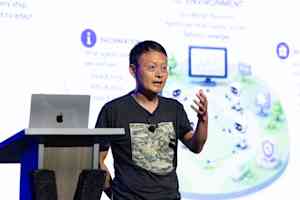
For developers, the operating assumption has been one engineer, one agent — the model Claude Code and similar tools. At VB Transform 2026, James Zou, associate professor of biomedical data science at Stanford University, argued that assumption is about to break: the next frontier isn't a single, more capable agent, it's tens of thousands of them collaborating.For developers and product builders, the most critical ta…
AI brief
Pulse reads the full article- What happened
- Why it matters
- What to watch
Sign in to get the AI brief. Pulse explains what happened, why it matters, what to watch and who's exposed. Free for members.
Sign in to read the brief