Breaking
THE VERGE You Could Be Next Neutral WSJ ECONOMY German Exports Fall, Extending Weak Start to 2026 Optimistic CNBC TOP STORIES The Iran war has put the brakes on the next Bank of England rate cut Bullish COINTELEGRAPH Blackstone-owned AirTrunk secures record $1.24B loan for Tokyo AI data center Strong Bullish NEW YORK TIMES BUSINESS Oil Falls and Stocks Rise After a Day of Drastic Swings Strong Bullish CNBC TOP STORIES Iran war threatens catastrophic consequences for the oil market, Aramco CEO says Strong Bullish ROBOTICS & AUTOMATION Exotec implements its Skypod automated storage and retrieval system in Berrang Group’s In… Neutral FOX NEWS US Oregon judge limits federal agents’ tear gas use at Portland ICE protests Neutral NPR BUSINESS Consumers concerned after Iran war drives gas prices higher Strong Bearish CNBC BUSINESS Lego keeps beating the toy industry. Its secret weapon is not what you'd expect Bullish MOTOR1 The New Electric Porsche Cayenne S Hits The Sweet Spot Neutral NEW YORK TIMES BUSINESS Gas Prices Hit $3.54 a Gallon, Up 19% Since Attacks on Iran Bearish BUSINESS INSIDER Yann LeCun's startup has a new CEO — and $1 billion Neutral TECHCRUNCH Uzbekistan’s Uzum valuation leaps over 50% in seven months to $2.3B Neutral NEW YORK TIMES BUSINESS F.A.A. Briefly Halts JetBlue Departures After System Outage Bearish CBS MONEY WATCH JetBlue ground stop lifted soon after it began Neutral CBS NEWS 3/9: The Takeout with Major Garrett Strong Bearish CNBC TOP STORIES European markets head for positive open as oil prices remain elevated Bullish CNBC TOP STORIES Looming copper shortage as tariff fears and mine disruptions fuel tightness Strong Bearish BBC BUSINESS China exports surge in first two months of the year despite Trump tariffs Optimistic THE VERGE You Could Be Next Neutral WSJ ECONOMY German Exports Fall, Extending Weak Start to 2026 Optimistic CNBC TOP STORIES The Iran war has put the brakes on the next Bank of England rate cut Bullish COINTELEGRAPH Blackstone-owned AirTrunk secures record $1.24B loan for Tokyo AI data center Strong Bullish NEW YORK TIMES BUSINESS Oil Falls and Stocks Rise After a Day of Drastic Swings Strong Bullish CNBC TOP STORIES Iran war threatens catastrophic consequences for the oil market, Aramco CEO says Strong Bullish ROBOTICS & AUTOMATION Exotec implements its Skypod automated storage and retrieval system in Berrang Group’s In… Neutral FOX NEWS US Oregon judge limits federal agents’ tear gas use at Portland ICE protests Neutral NPR BUSINESS Consumers concerned after Iran war drives gas prices higher Strong Bearish CNBC BUSINESS Lego keeps beating the toy industry. Its secret weapon is not what you'd expect Bullish MOTOR1 The New Electric Porsche Cayenne S Hits The Sweet Spot Neutral NEW YORK TIMES BUSINESS Gas Prices Hit $3.54 a Gallon, Up 19% Since Attacks on Iran Bearish BUSINESS INSIDER Yann LeCun's startup has a new CEO — and $1 billion Neutral TECHCRUNCH Uzbekistan’s Uzum valuation leaps over 50% in seven months to $2.3B Neutral NEW YORK TIMES BUSINESS F.A.A. Briefly Halts JetBlue Departures After System Outage Bearish CBS MONEY WATCH JetBlue ground stop lifted soon after it began Neutral CBS NEWS 3/9: The Takeout with Major Garrett Strong Bearish CNBC TOP STORIES European markets head for positive open as oil prices remain elevated Bullish CNBC TOP STORIES Looming copper shortage as tariff fears and mine disruptions fuel tightness Strong Bearish BBC BUSINESS China exports surge in first two months of the year despite Trump tariffs Optimistic
Tuesday, March 10, 2026
Pulse
All Stories →
Pessimistic
Market Sentiment · 24h
Pessimistic
-23.3
Articles
510
24h
Positive
25%
Negative
39%
Neutral
36%
Pulse: Mar 10, 2026 5:06 AM ET · 60 articles
Breaking Metrics

Get the insider info on industry, infrastructure, and energy

Market intelligence for everything that makes money and the world move. Free in your inbox.

01

Iran War Roils Oil Markets as Strait of Hormuz Risk Spikes Crude Volatility

Oil prices swung wildly this week, spiking near $120 a barrel on Monday amid escalating Iran tensions and threats to the Strait of Hormuz, before retreating after Trump signaled the conflict is "pretty much" complete. The volatility reflects market uncertainty over potential supply disruptions through one of the world's most critical energy chokepoints.

U.S. gasoline prices remain elevated, hitting consumers at the pump. Natural gas markets in Thailand and Singapore face acute exposure to prolonged price spikes. Energy-intensive sectors and airlines face margin compression if crude sustains above $100 per barrel; downstream refiners benefit from wider spreads if volatility persists.

A sustained disruption to Hormuz traffic—through which roughly 21 million barrels per day flow—would trigger a global energy crisis and inflation spike. Trump's de-escalation signals may stabilize markets near-term, but geopolitical risk premiums will remain embedded in crude pricing until regional tensions fully resolve.

02

Anthropic Sues Pentagon Over 'Supply Chain Risk' Label, Drawing AI Industry Solidarity

🔴 Breaking

Anthropic became the first U.S. AI company designated a military supply chain risk by the Pentagon, prompting the company to sue the Trump administration and challenge the classification as "unprecedented and unjustified." More than 30 employees from OpenAI and Google DeepMind publicly backed Anthropic's lawsuit, signaling rare unity in the AI sector against government overreach.

Anthropic's valuation and fundraising prospects face near-term headwinds if the designation restricts government contracts or corporate partnerships. The broader AI sector may see increased regulatory scrutiny and compliance costs. OpenAI and Google's public support suggests they view this as a precedent-setting threat to their own operations.

This escalates the Trump administration's confrontation with Big Tech over AI governance and national security. A Pentagon victory could establish a template for designating other AI firms as national security risks, fundamentally reshaping the sector's relationship with federal procurement and defense partnerships.

03

Small Businesses and Shoemakers Escalate Legal War Against Trump Tariffs

Burlap & Barrel and Basic Fun—companies that previously won tariff litigation against the Trump administration—have relaunched their legal challenge against new levies. Separately, the manufacturer behind one of Trump's favored shoe brands sued the administration over tariff impacts, signaling that even companies with administration ties face margin pressure from trade policy.

Repeated tariff litigation creates legal uncertainty for importers and manufacturers, pressuring equity valuations in retail and consumer goods. A string of court victories for plaintiffs could force tariff rollbacks or exemptions, benefiting consumer discretionary stocks. Conversely, sustained tariffs will flow through to consumer prices and retail margins.

The litigation wave reflects deepening business opposition to Trump's trade agenda. If courts consistently rule against tariff authority, the administration's ability to execute its protectionist platform faces structural constraints, potentially reshaping trade policy for the remainder of the term.

04

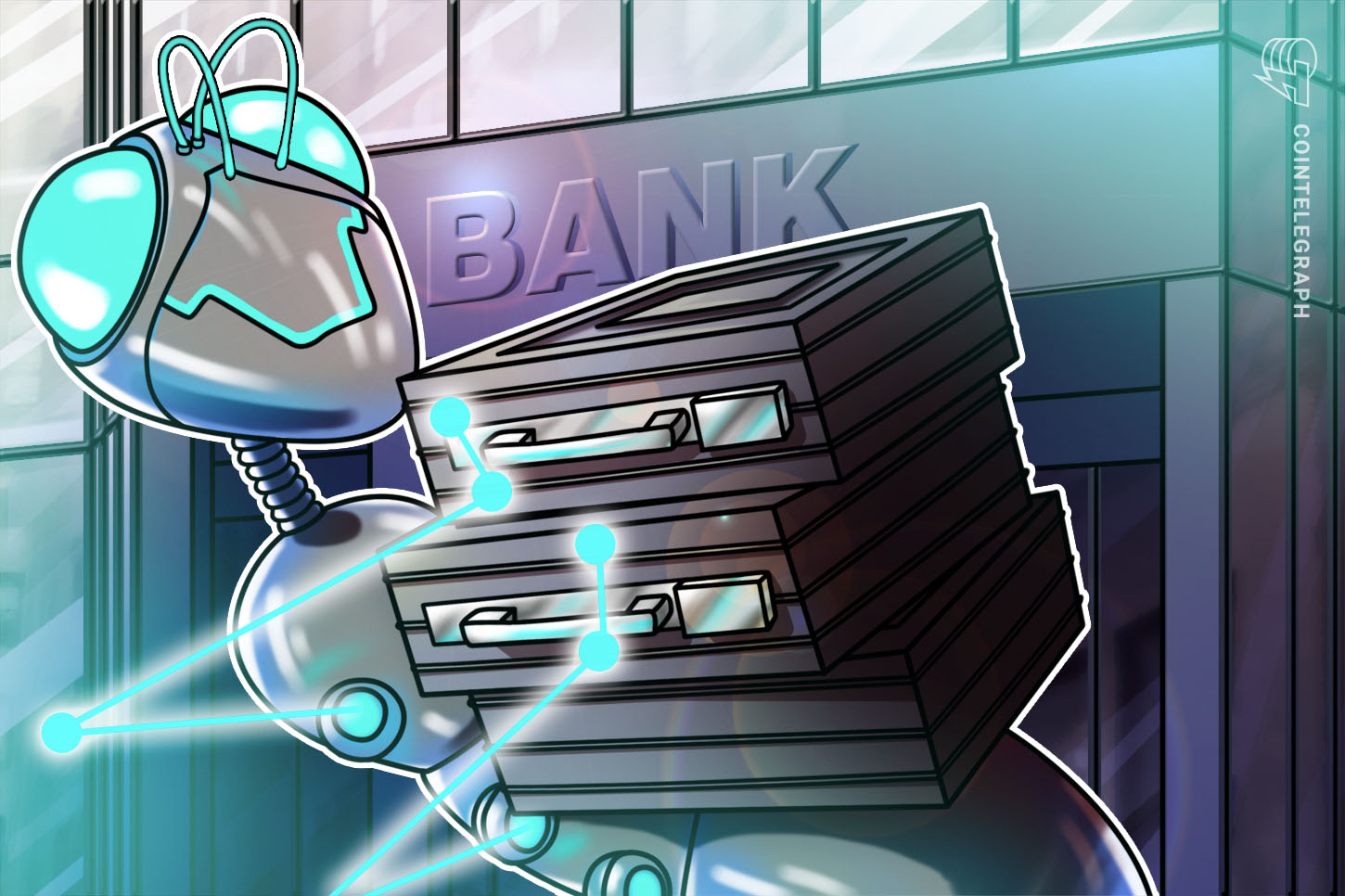
Banking Lobby Threatens Lawsuit Over OCC's Crypto Trust Charter Approvals

The U.S. banking lobby is weighing a lawsuit against the Office of the Comptroller of the Currency over conditional approvals granted to crypto firms—including BitGo, Ripple, Paxos, and Kraken—to operate as trust charter holders. The move signals escalating institutional resistance to crypto's integration into the regulated banking system.

Crypto asset prices face downside risk if charter approvals are reversed or delayed. Traditional banks' litigation threat may slow OCC's approval pipeline, reducing institutional on-ramps for crypto. Conversely, a successful crypto defense could accelerate mainstream adoption and institutional custody flows into digital assets.

This reflects a fundamental clash between legacy finance and crypto over regulatory turf. The outcome will determine whether crypto becomes a regulated banking function or remains cordoned off from traditional financial infrastructure.

05

Blackstone's AirTrunk Lands Record $1.24B Loan for Tokyo AI Data Center

🔴 Breaking

AirTrunk, the Blackstone-owned data center operator, secured a record $1.24 billion loan from a 12-bank consortium led by SMBC, MUFG, Crédit Agricole CIB, and Société Générale to fund a Tokyo AI data center. The financing underscores surging institutional capital flowing into AI infrastructure across Asia-Pacific.

The deal signals robust demand for AI compute capacity in Japan and validates the data center sector's growth thesis. Blackstone's ability to mobilize $1.24B in debt at scale demonstrates strong lender appetite for infrastructure assets. Competing data center operators (Digital Realty, Equinix, CoreWeave) face competitive pressure to expand Asian footprints.

Japan's emergence as a critical AI infrastructure hub reflects geopolitical diversification away from U.S.-concentrated data center capacity. This accelerates the decoupling of global AI compute resources and signals long-term capital reallocation toward Asia-Pacific infrastructure.

06

Iran War Delays Bank of England Rate Cut as Oil Inflation Risks Resurface

🔴 Breaking

The Bank of England has shelved near-term rate cut expectations as Iran tensions and oil price volatility reignite inflation concerns. Prior to the conflict, markets had priced in a spring rate reduction; geopolitical risk now forces the BoE to maintain a hawkish stance pending clarity on energy price trajectories.

Sterling strengthens on delayed rate cuts and higher real yields. U.K. equities face headwinds from sustained higher rates and energy cost pressures. Gilt yields rise, increasing refinancing costs for the government and corporations. Consumer discretionary and mortgage-sensitive sectors face margin compression.

The BoE's pivot illustrates how geopolitical shocks override monetary policy normalization cycles. Central banks globally face a similar dilemma: cutting rates to support growth or holding firm to combat energy-driven inflation, creating policy gridlock across developed markets.

07

German Exports Tumble as Manufacturing Orders and Production Extend Weak Start to 2026

🔴 Breaking

Germany's export sector contracted sharply in early 2026, with manufacturing orders and production both declining. The weakness extends a troubling trend from late 2025, signaling structural headwinds in Europe's largest economy and raising recession risks across the eurozone.

The DAX and European equities face downside pressure on slowing growth expectations. The euro weakens as growth differentials with the U.S. widen. German auto and industrial stocks (Siemens, BMW, Volkswagen) face multiple compression. ECB rate cut expectations accelerate, pressuring fixed income.

Germany's export collapse signals broader eurozone demand weakness and potential contagion to other export-dependent economies. The ECB will face mounting pressure to ease policy, but inflation risks from energy shocks may constrain its flexibility, creating a policy bind.

08

Government Shutdown Strains Airport Security as Unpaid TSA Officers Create Operational Chaos

The ongoing government shutdown is creating multi-hour security lines at major U.S. airports as unpaid TSA officers face financial pressure and operational strain. While ICE enforcement continues uninterrupted, airport security—a core federal function—deteriorates, exposing the shutdown's uneven impact across agencies.

Airlines (Southwest, United, American) face operational disruptions, missed connections, and potential revenue loss. Travel-dependent sectors (hotels, car rentals, restaurants) suffer demand headwinds. Equity markets price in near-term GDP drag from reduced travel and consumer spending. TSA staffing shortages could persist if shutdown extends beyond weeks.

The shutdown exposes the fragility of critical infrastructure when federal funding lapses. Prolonged disruptions could trigger broader economic damage and political pressure for swift resolution, but the current impasse suggests extended duration.

09

Lebanon Teeters Toward Civil War as Pressure Mounts to Disarm Hezbollah

Lebanon faces escalating sectarian tensions as political actors debate whether to attempt disarming Hezbollah, a move that could trigger open conflict. The country's fragile power-sharing government lacks consensus on security policy, creating a vacuum that risks full-scale civil war.

Middle Eastern equities and credit spreads face volatility on geopolitical risk. Lebanese pound weakness accelerates; dollar shortages intensify. Regional banks and insurance companies face exposure to Lebanese sovereign and corporate defaults. Oil markets price in potential supply disruptions if conflict spreads to regional energy infrastructure.

Last Updated: Mar 10, 2026 5:06 AM ET | Generated by Glideslope's Pulse AI Engine. Pulse can make mistakes; verify all information.
 Live Feed
Headlines
Trending Now
Market Drivers
● MACRO ANALYST

Fraywire+

Unlock the AI Macro Analyst to drill down into the data, explore hidden risks, and query the entire market briefing in real-time.

LOG IN / SUBSCRIBE

My Notes

Loading drafts...