Energy
OPEC+ to keep November oil output targets steady
The move by OPEC+ was in line with expectations that further output policy adjustments are unlikely until next year.


 Glideslope AI-powered market news
2 stories in the last 7 days, reading neutral overall. Quiet in the last 24 hours.
| Day | Mood | Stories |
|---|---|---|
| Sat, Oct 10 | — | 0 |
| Fri, Oct 9 | — | 0 |
| Thu, Oct 8 | — | 0 |
| Wed, Oct 7 | — | 0 |
| Tue, Oct 6 | — | 0 |
| Mon, Oct 5 | — | 0 |
| Sun, Oct 4 | 0.0 | 2 |
| Sat, Oct 3 | — | 0 |
The move by OPEC+ was in line with expectations that further output policy adjustments are unlikely until next year.
Gulf OPEC+ producers have been pumping well below output targets in the face of continuing export disruptions from the US-Israeli war on Iran.

The meeting of seven core OPEC+ members comes as the Iran war continues to disrupt oil exports through the Strait of Hormuz, limiting OPEC+'s influence over pr…

The decision on Sunday by the cartel of oil-producing nations and some of its allies came after the resumption of U.S. and Iranian military strikes in the Pers…

OPEC+ approved an oil production quota increase on Sunday of around 188,000 barrels per day from September, the producer group said.

Due to export disruptions from caused by the Iran and Ukraine wars, monthly OPEC+ hikes over most of this year have had little impact on the market.

The Organization of the Petroleum Exporting Countries and its allies may decide Sunday to lift their oil production quotas for a sixth straight month - but fin…
The oil-producing group agreed during an online meeting to increase quotas by 188,000 barrels per day from August, on top of similar increases for June and Jul…

A handful of countries in the OPEC+ oil-producing alliance are planning to increase their outputs modestly next month
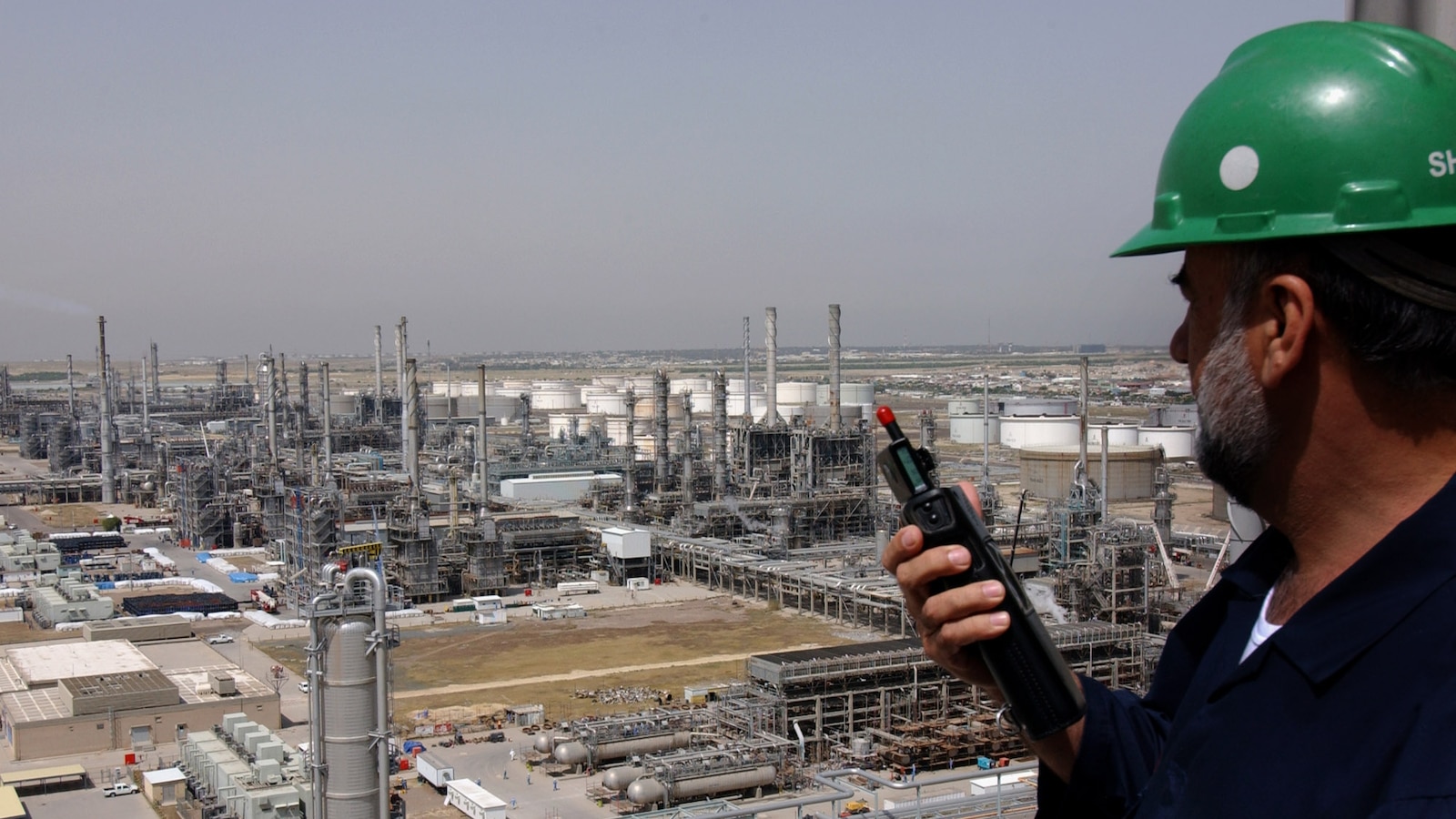
Major oil producers on Sunday agreed once again to modestly increase their crude production, although, as in previous months, the hike is largely symbolic unti…
The cartel's decision comes as U.S.-Iran talks to end the war have eased pressure on oil supplies, even as broader market and political volatility persists.

The oil-producing group has agreed in principle to increase quotas by 188,000 barrels per day from August, two sources told Reuters.

Iraq is threatening to quit OPEC over its production quota, and EU officials are headed to Baghdad for energy talks as the standoff escalates.
Iraq's hint that it could exit OPEC is yet another source of potential tumult for the global oil market in 2026.
The IEA said on Wednesday that a lasting resolution to the conflict could drive a surge in supply volumes and trigger a major oil overhang next year.

The cartel's move to increase output by 188,000 barrels per day is largely symbolic, with vast amounts of the world's oil stranded by the effective shutdown of…

Seven members of OPEC+, which groups OPEC and allied producers including Russia, increased output quotas from April to June by almost 600,000 barrels per day.

OPEC cut its demand growth estimates for 2026 to about 1.2 million barrels per day.

Global demand is facing constraints because supply from the Persian Gulf has been effectively cut off by Iran's blockade of the Strait of the Hormuz.
Seven OPEC+ countries will raise oil output targets by 188,000 barrels per day in June, the third consecutive monthly increase, OPEC+ said in a statement

In a largely symbolic move, the OPEC+ nations announced Sunday that they would slightly increase crude production in June, as the war with Iran continues to st…
The production increase in June is part of a commitment to "market stability."
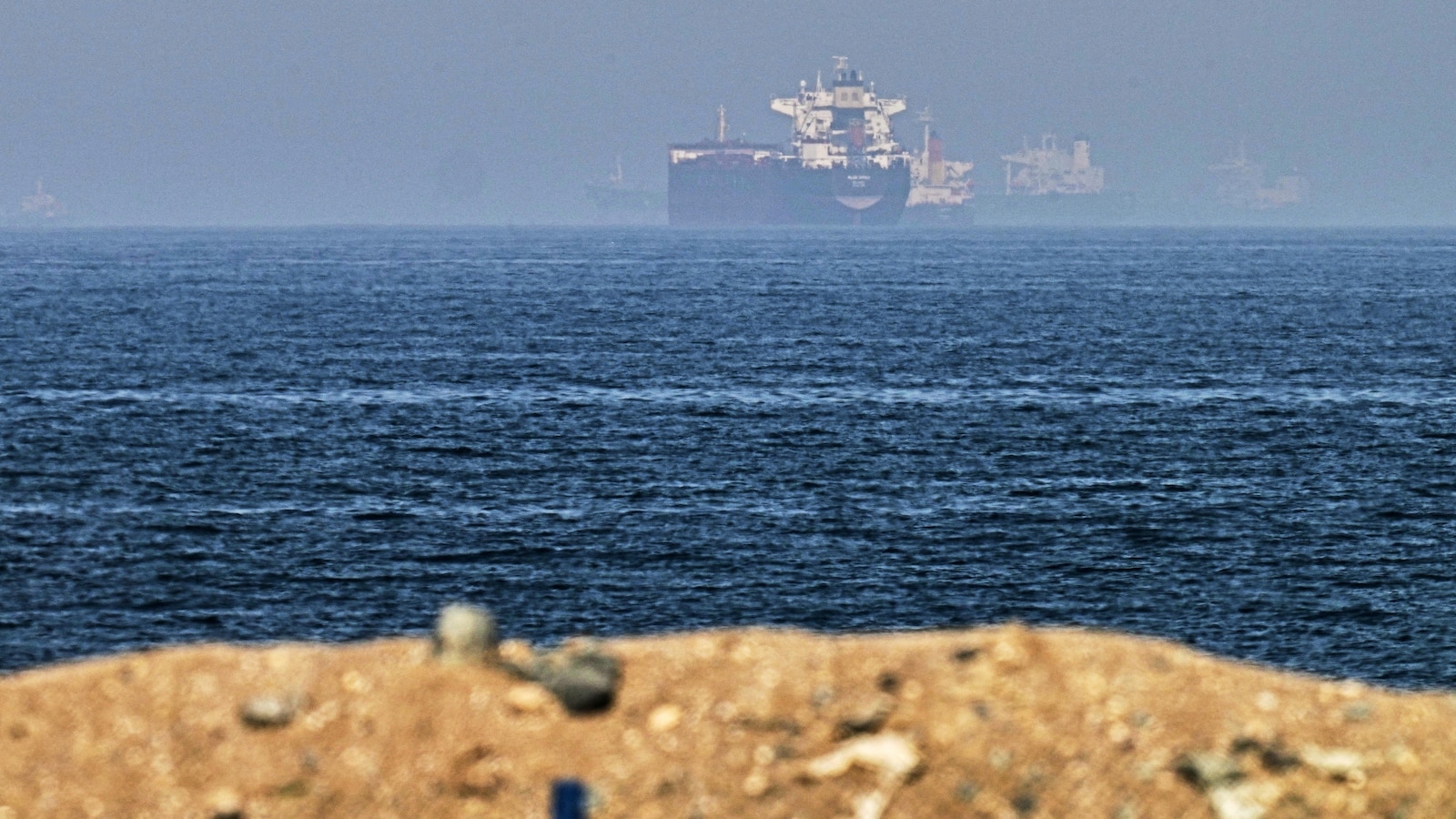
The announcement came days after the United Arab Emirates withdrew from the group. The higher output will have little effect on global supplies.

Concerns around production were amplified further last week with news of the UAE's shock departure.
The output increase will remain largely on paper as long as the U.S.-Iran war continues to disrupt Gulf oil supplies.

The geopolitical realignment goes much deeper than just oil markets.

A standoff between Gulf oil giants Saudi Arabia and the UAE could cause greater market volatility for years to come. The conflict in the Middle East has claime…
The United Arab Emirates is walking away from OPEC this May. The New York Times' energy reporter, Rebecca Elliott, breaks down how the war with Iran provided t…

The BBC takes a look in charts at what the UAE's departure could mean for the oil cartel and more widely.
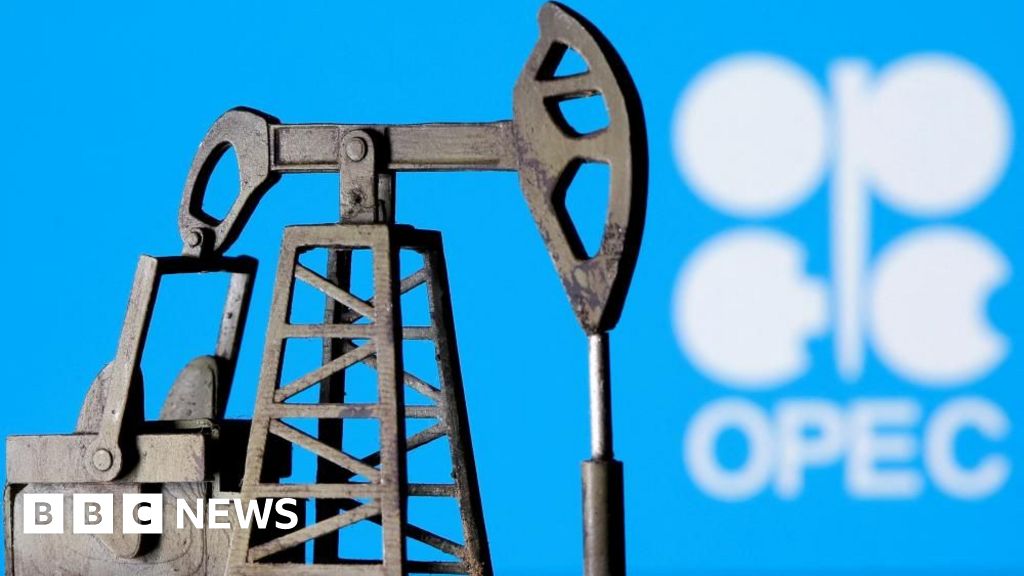
The United Arab Emirates' decision to leave OPEC is reverberating across global energy markets, sparking questions on who else could follow.

Unlock the AI Macro Analyst to drill down into the data, explore hidden risks, and query the entire market briefing in real-time.
LOG IN / SUBSCRIBE