What's Happening
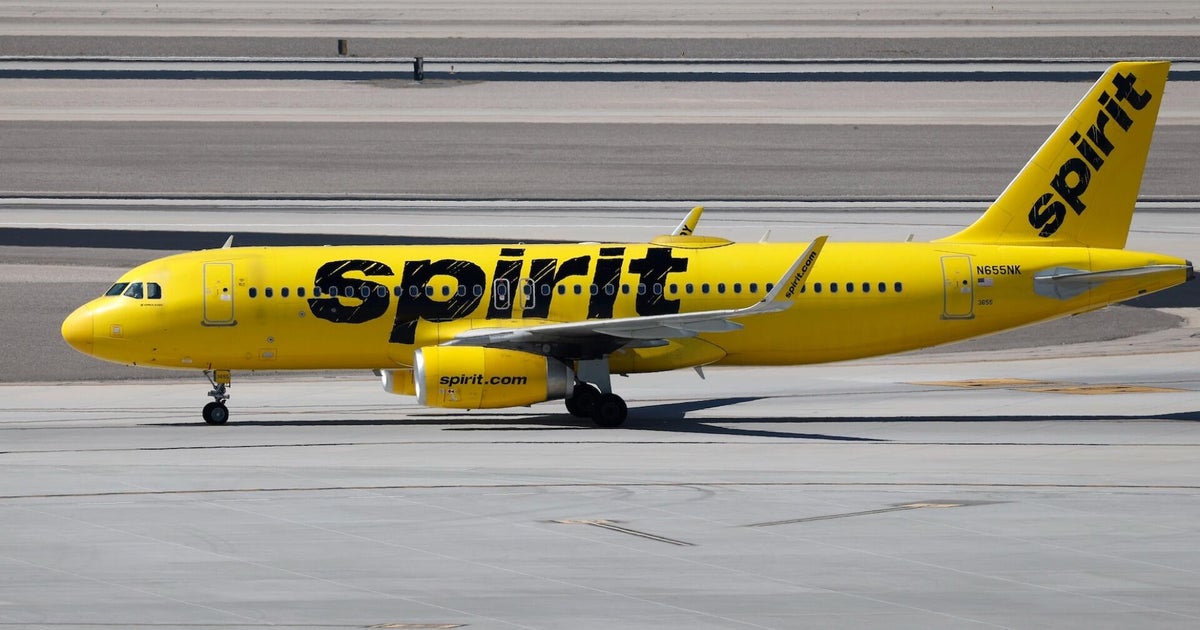
Spirit Airlines shut down operations on Saturday after failing to secure a $500 million federal rescue package. The ultra-low-cost carrier, which had been hemorrhaging cash due to soaring fuel costs and operational pressures, could not close a government bailout deal and ceased all flights immediately.
Market Impact
Spirit's collapse removes a major competitor from the budget airline segment, likely allowing remaining carriers (Southwest, Frontier, Allegiant) to raise fares and improve load factors. Stranded passengers face rebooking chaos; the airline's debt holders and lessors face significant losses. Fuel hedging and aircraft lease markets will see ripple effects as Spirit's fleet enters secondary markets.
Broader Implications
This marks the first major U.S. airline failure since the pandemic, signaling that even government support cannot save carriers with structurally broken unit economics. The failure underscores how elevated energy prices—driven by geopolitical tension with Iran—are reshaping competitive dynamics in capital-intensive industries.