

Mortgage Rates Hit 3-Year High Above 7.5%, Freezing Housing Demand as Wall Street Opts to Rent

What’s happening
The average 30-year fixed mortgage rate climbed to 7.4-7.5%, the highest level in nearly three years, marking the seventh consecutive week of increases. Housing demand has contracted sharply as affordability deteriorates, with both refinancing and new purchase activity declining.
Market impact
Homebuilder stocks face headwinds as starts and permits decline. Real estate investment trusts and mortgage servicers are repricing lower. Notably, institutional investors are choosing to rent rather than buy—a signal that the housing market is pricing in either a recession or sustained high rates. This dampens consumer wealth effects and discretionary spending.
Broader implications
Housing is a leading indicator of economic health. A frozen market suggests either Fed policy is working to cool demand or recession fears are rising. Either way, the consumer balance sheet faces pressure as existing homeowners cannot refinance and new buyers are priced out, reducing leverage and spending capacity.
Sources (4)
The articles Pulse read to write this story- With mortgage rates soaring above 7.5%, the smart money rents in AmericaMarket WatchStrong bearish −77
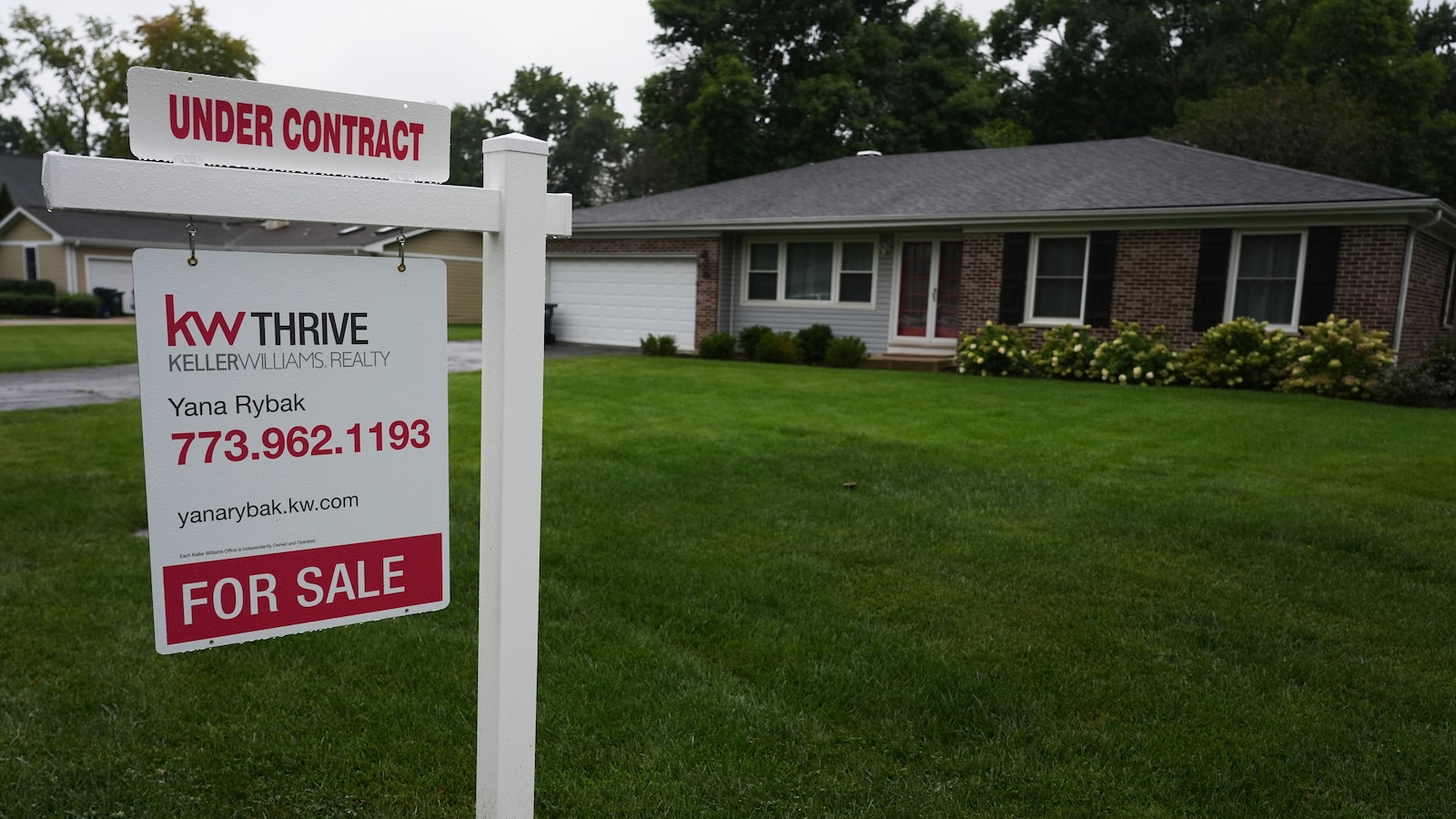 Average long-term US mortgage rate rises to highest level in nearly 3 yearsABC NewsBearish −27
 Highest Mortgage Rates in 3 Years Chills the Housing MarketNew York Times BusinessStrong bearish −56
 Mortgage rates sit at nearly 3-year high, and demand continues to shrinkCNBC Top StoriesStrong bearish −49
Written by Pulse AI from the articles above. Always check the original reporting before acting on it.