

U.S. Budget Deficit Swells to Nearly $2 Trillion as Interest Costs Spiral

What’s happening
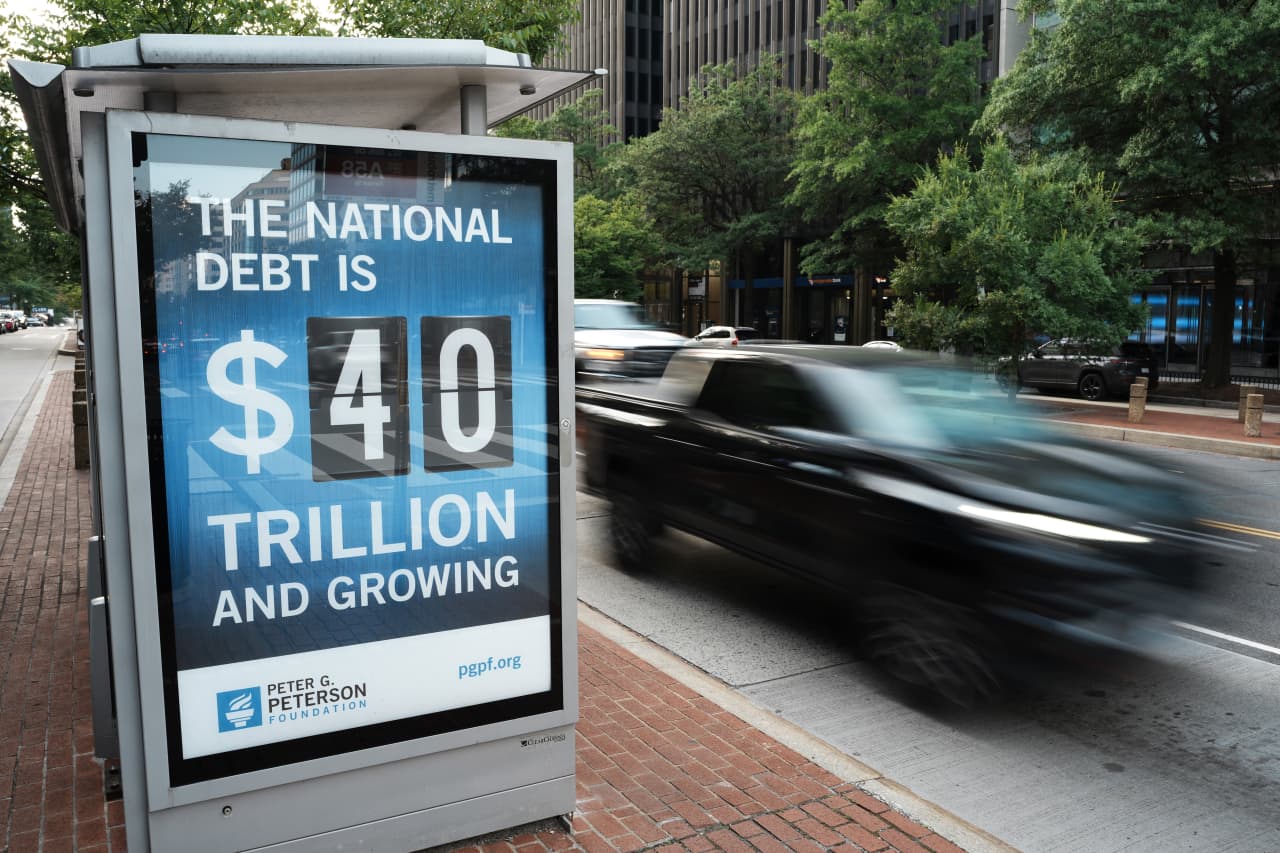
The U.S. budget deficit has ballooned to nearly $2 trillion for fiscal 2026, up 12% in a single year, as higher interest rates inflate borrowing costs. The Trump administration's spending on military operations and tariff refunds is compounding the fiscal deterioration despite promises of cost-cutting.
Market impact
The deficit now represents 6.2% of GDP, the largest share since 2021, and is putting upward pressure on Treasury yields and long-term interest rates. This dynamic crowds out private investment and raises the cost of capital across the economy, pressuring equities and corporate debt markets.
Broader implications
Structural deficits at this scale limit the Fed's policy flexibility and suggest that interest rates may remain elevated for years. This creates a headwind for growth and compounds the debt burden problem facing both the government and private sector, particularly for highly leveraged companies like CoreWeave.
Sources (3)
The articles Pulse read to write this story- U.S. Budget Deficit Nears $2 Trillion, a Reality Check for Trump's Cost CuttingNew York Times BusinessStrong bearish −62

Written by Pulse AI from the articles above. Always check the original reporting before acting on it.