Prewar US intel found intervention in Iran wasn’t likely to change leadership
A February intelligence assessment determined that American military intervention was not likely to lead to regime change in the Islamic Republic.
Last updated: 2026-03-14 21:48:59 ET
Pulse AI Brief
Updated Mar 14, 2026 9:11 PM ET
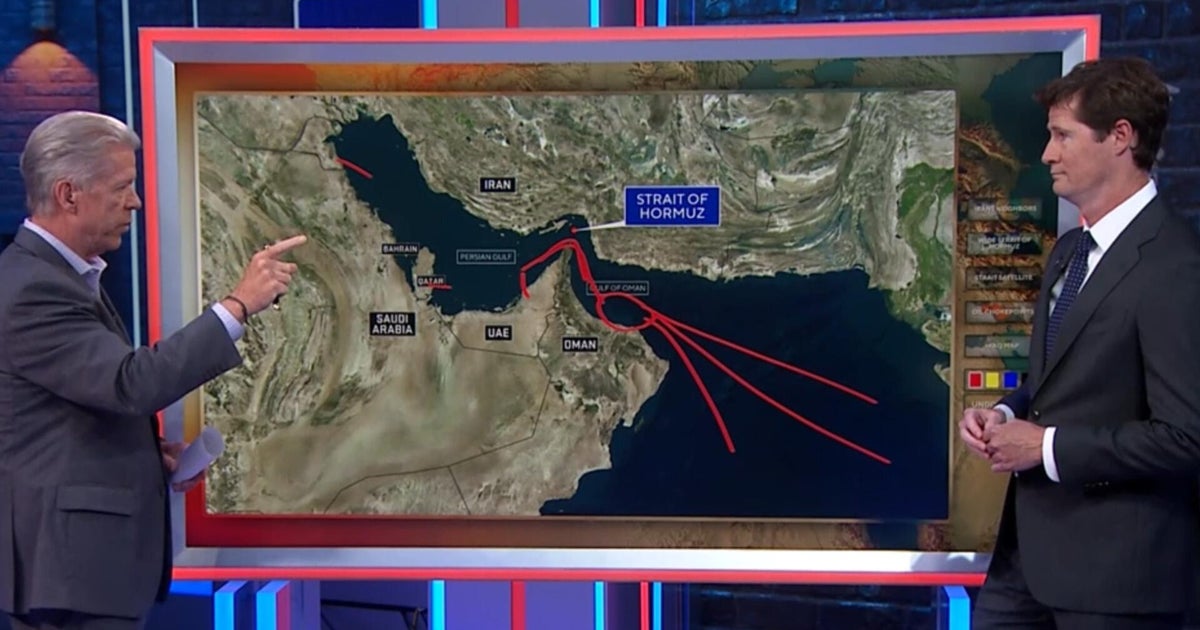
The escalating war in Iran is directly constraining U.S. oil supplies and driving gas prices upward. Regional tensions have spread to the Persian Gulf, with evacuations ordered in Doha, Qatar, and a major fire reported at a UAE oil port following U.S. strikes on Iranian infrastructure including Kharg Island.
Stock markets ended the week down as energy costs ripple through the economy. Oil-dependent sectors face margin compression, while consumer discretionary spending faces headwinds from elevated fuel prices. Crude futures and energy equities remain volatile as supply disruption risks persist.
Trump administration has called on China, France, the U.K., South Korea, and Japan to help maintain Strait of Hormuz shipping lanes—a tacit admission that regional instability threatens global energy security. Sustained conflict could trigger stagflationary pressures across developed economies.
A February intelligence assessment determined that American military intervention was not likely to lead to regime change in the Islamic Republic.
Unlock the AI Macro Analyst to drill down into the data, explore hidden risks, and query the entire market briefing in real-time.
LOG IN / SUBSCRIBE