Article
The Iran war, diesel fuel, and a tired infrastructure story
Strong Bearish
-100.0
−100 Bearish
0
+100 Bullish
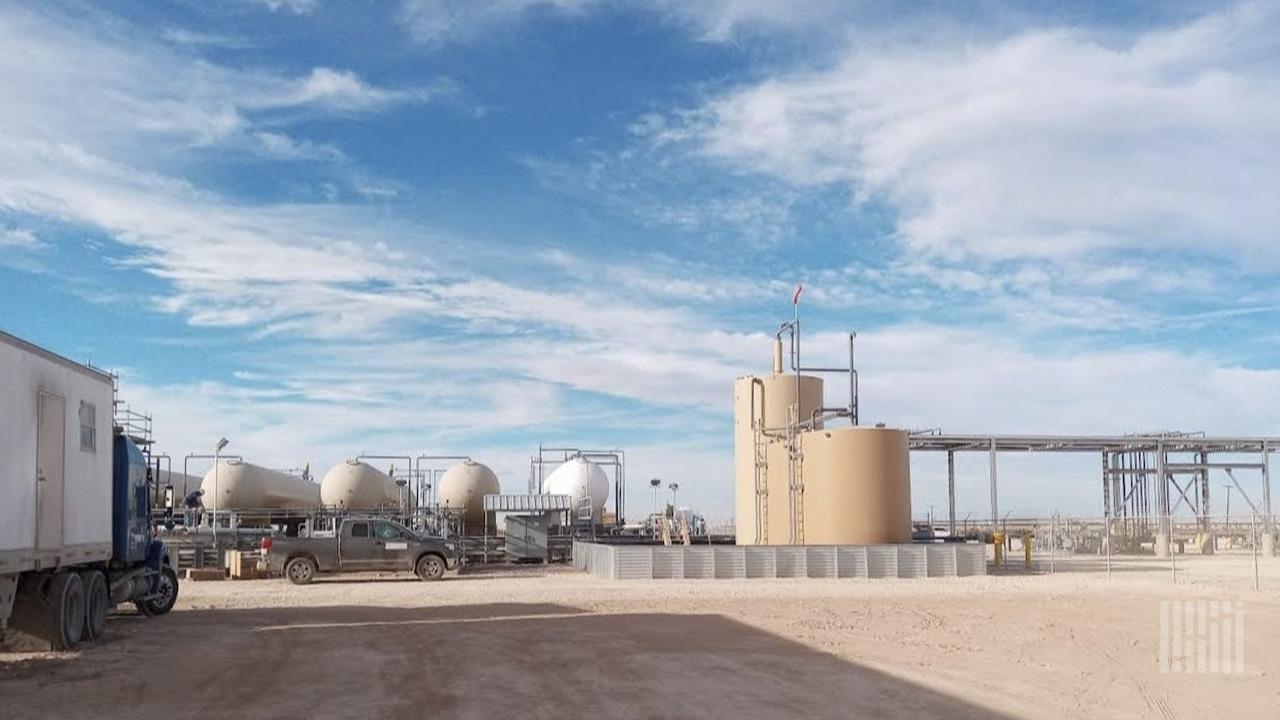
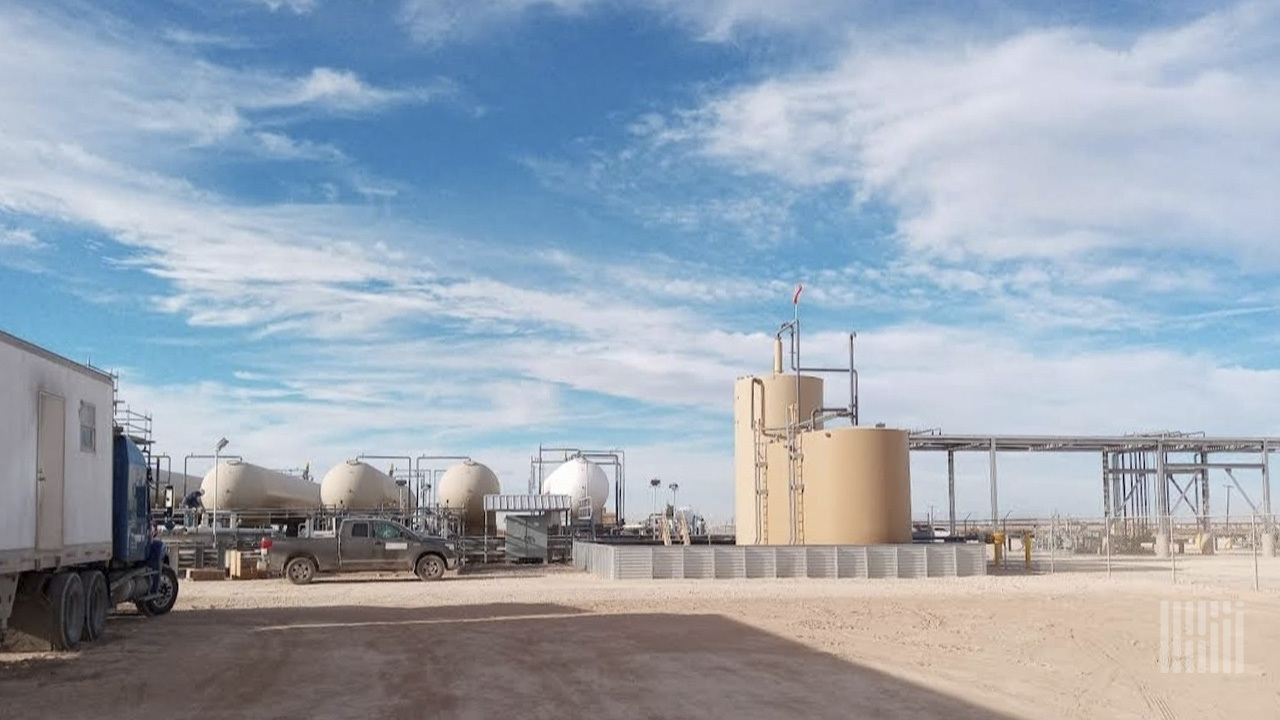
America sits on more oil than it can refine. While the Strait of Hormuz burns, the real chokepoint is between the wellhead and the truck stop.
The post The Iran war, diesel fuel, and a tired infrastructure story appeared first on FreightWaves.
Actions
Pulse AI
# The Strait Closes and Diesel Burns
This is a big one. The U.S. and Israel struck Iran, killed Khamenei, and now the Middle East is on fire — literally. Iran hit back hard, targeting U.S. bases across the Gulf and torching Saudi Arabia's Ras Tanura refinery. QatarEnergy shut down entirely. The Strait of Hormuz — the jugular of global oil supply — is effectively closed to commercial shipping. Markets are already screaming.
Brent jumped 8% past $82. WTI surged past $72. European and Asian gas prices spiked nearly 50% overnight. And this is just Day 1. Goldman and Rapidan are already floating $100+ oil if this drags out. With oil already up 17% YTD *before* bombs dropped, the runway for pain is long.
The trucking industry is the canary here. Every $10-$20 barrel surge adds 25-50 cents per gallon of diesel. For a 50-truck fleet, that's potentially $3,000/day in added fuel costs — money that either gets passed to shippers or swallows margins whole. Freight rates will move. Consumers will feel it in everything that gets delivered, which is... everything.
The deeper story is infrastructure. The U.S. produces massive amounts of crude but lacks the refinery capacity and pipeline network to translate that into domestic diesel independence. We're exposed not because we lack oil, but because we never built the system to use it.
---
**Key Takeaways:**
- Brent above $82, WTI above $72 — $100/barrel possible if Hormuz stays closed
- Ras Tanura shutdown directly squeezes global diesel supply
- European/Asian gas prices up ~50% on QatarEnergy halt
- Trucking fleets facing $30-$60/day per truck in added fuel costs
- Shipping insurance rates surging; tanker traffic through Hormuz halted
- Energy, defense, and shipping stocks likely to surge; consumer and transport sectors under pressure
- U.S. refinery and pipeline infrastructure gaps are the real long-term vulnerability
This is a big one. The U.S. and Israel struck Iran, killed Khamenei, and now the Middle East is on fire — literally. Iran hit back hard, targeting U.S. bases across the Gulf and torching Saudi Arabia's Ras Tanura refinery. QatarEnergy shut down entirely. The Strait of Hormuz — the jugular of global oil supply — is effectively closed to commercial shipping. Markets are already screaming.
Brent jumped 8% past $82. WTI surged past $72. European and Asian gas prices spiked nearly 50% overnight. And this is just Day 1. Goldman and Rapidan are already floating $100+ oil if this drags out. With oil already up 17% YTD *before* bombs dropped, the runway for pain is long.
The trucking industry is the canary here. Every $10-$20 barrel surge adds 25-50 cents per gallon of diesel. For a 50-truck fleet, that's potentially $3,000/day in added fuel costs — money that either gets passed to shippers or swallows margins whole. Freight rates will move. Consumers will feel it in everything that gets delivered, which is... everything.
The deeper story is infrastructure. The U.S. produces massive amounts of crude but lacks the refinery capacity and pipeline network to translate that into domestic diesel independence. We're exposed not because we lack oil, but because we never built the system to use it.
---
**Key Takeaways:**
- Brent above $82, WTI above $72 — $100/barrel possible if Hormuz stays closed
- Ras Tanura shutdown directly squeezes global diesel supply
- European/Asian gas prices up ~50% on QatarEnergy halt
- Trucking fleets facing $30-$60/day per truck in added fuel costs
- Shipping insurance rates surging; tanker traffic through Hormuz halted
- Energy, defense, and shipping stocks likely to surge; consumer and transport sectors under pressure
- U.S. refinery and pipeline infrastructure gaps are the real long-term vulnerability
Generated by Pulse AI, Glideslope's proprietary engine for interpreting market sentiment and economic signals. For informational purposes only — not financial advice.
Article Info
Sentiment Signal
Strong Bearish
-100.0
−100Neutral+100