Strong bullish +485 sourcestrump · energy ceasefire · ukraine
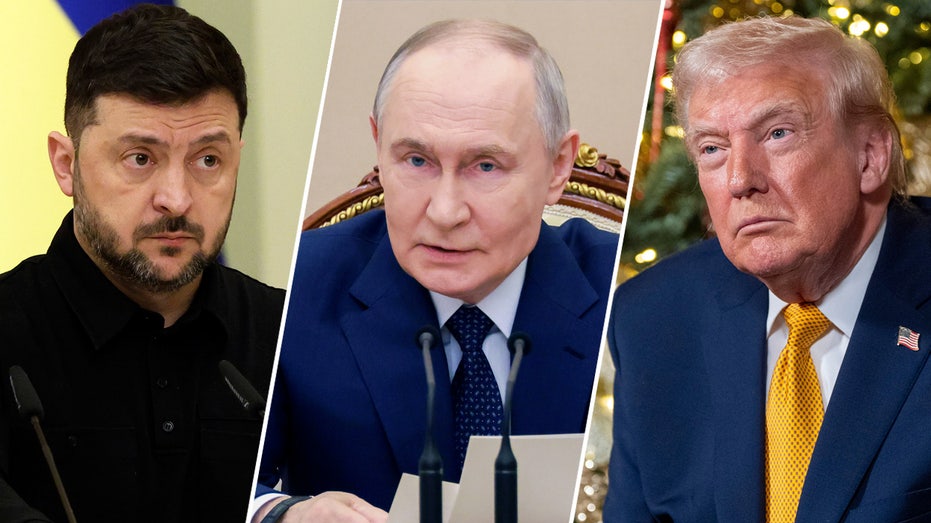
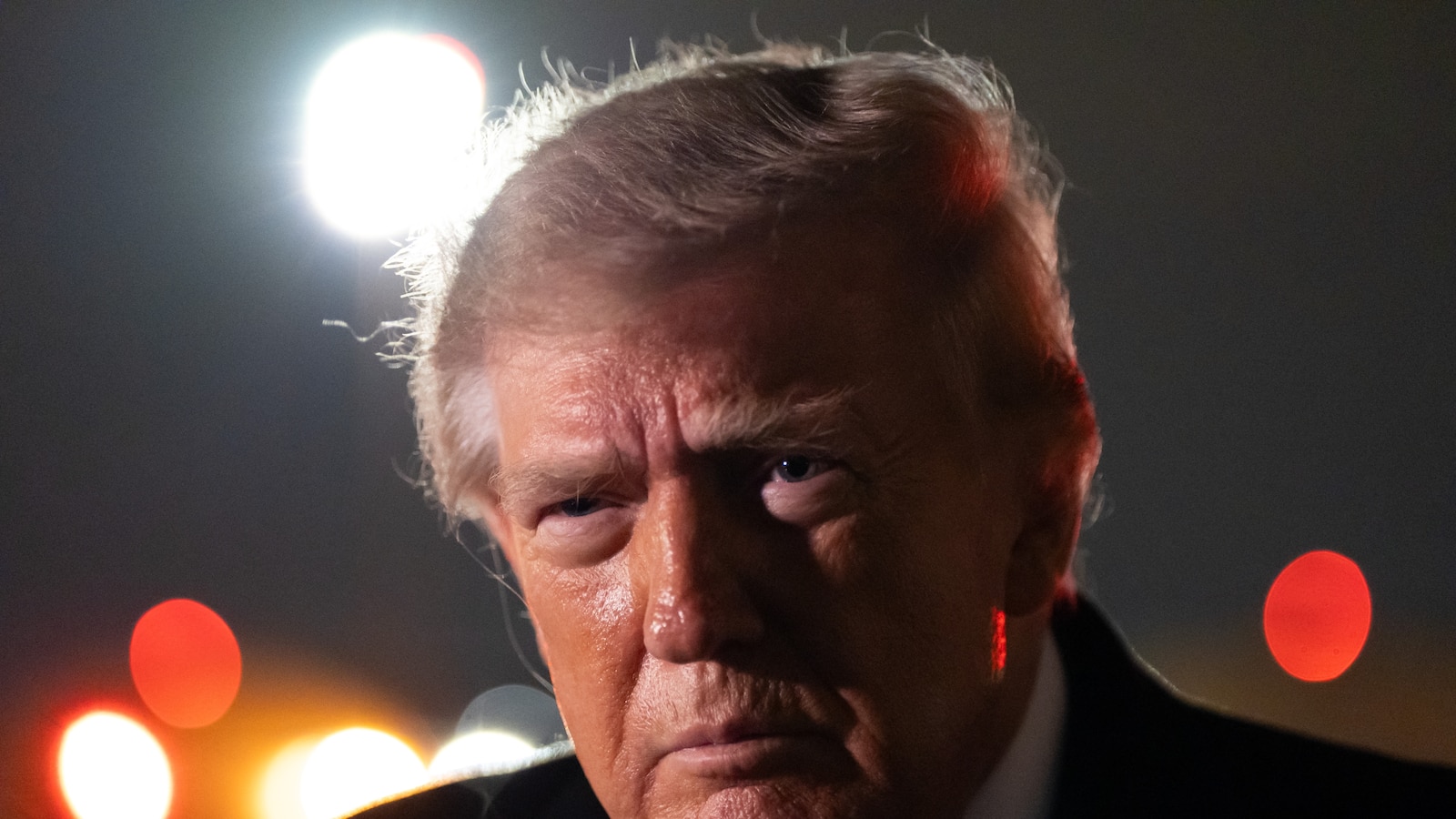
President Trump announced via social media that Ukraine and Russia have agreed to an "energy ceasefire," but the claim appears to have blindsided both parties. Zelenskyy said Kyiv would support such a truce pending details from Washington, while Moscow has not yet commented on the announcement.
Key points
Market impact. Energy markets could see volatility if a genuine ceasefire on infrastructure attacks materializes, potentially stabilizing oil and gas prices. However, the lack of confirmation from Russia and Ukraine creates uncertainty that may keep energy traders hedged.
Broader implications. This signals Trump's willingness to broker Ukraine-Russia negotiations outside traditional diplomatic channels. The announcement's surprise nature and lack of coordination raises questions about whether any formal agreement actually exists or if this is a negotiating tactic.
Sources (5)BBC US, CNBC Top Stories, The Daily Caller +1
Strong bearish −785 sourceshouthi · riyadh · saudi arabia
Iran-backed Houthi rebels launched a missile attack on Riyadh's King Khalid International Airport, killing at least 12 people including one American and injuring over 300. A second strike hit the airport terminal the following day, marking the deadliest attack on Saudi soil in more than a decade and signaling a major escalation in regional hostilities.
Key points
Market impact. Oil markets face upside pressure as attacks on Saudi infrastructure raise supply-chain concerns. Aerospace and defense contractors may see bid support; Trump is reportedly evaluating whether the US should join Saudi strikes against the Houthis, potentially expanding US military involvement in Yemen.
Broader implications. The escalation threatens to destabilize the Middle East and could draw the Trump administration into direct conflict with Iran-aligned forces. This complicates any broader Middle East peace architecture and raises geopolitical risk premiums across emerging markets and energy.
Sources (5)The Guardian World News, CBS News, The Daily Caller
Former NATO commander General Philip Breedlove warned that Trump's proposed energy ceasefire could inadvertently hand Vladimir Putin fresh revenue streams to continue prosecuting the war in Ukraine. Zelenskyy has already signaled opposition to any deal that would benefit Russian finances.
Key points
Market impact. If energy sanctions relief flows to Russia, commodity markets may see downward pressure on oil and gas prices, benefiting consumers but potentially undermining energy stocks tied to sanctions-driven scarcity premiums. Defense contractors supporting Ukraine could face headwinds if US commitment wavers.
Broader implications. This highlights the tension between Trump's dealmaking approach and NATO allies' security concerns. Any energy agreement that strengthens Russia's fiscal position could undermine Western unity on Ukraine and embolden Putin to continue military operations.
Strong bullish +734 sourcesbull market · four years · ai spending
The S&P 500 bull market approaches its fourth anniversary next week, driven primarily by artificial intelligence spending and tech sector dominance. Historical data shows bull markets that survive past their fourth year rarely collapse, but rising bond yields and energy prices are creating headwinds.
Key points
Market impact. Tech and AI-adjacent equities remain bid, but rotation risk is real if yields spike further or inflation data surprises to the upside. Earnings season this week from major banks will test whether corporate profitability can justify current valuations amid higher financing costs.
Broader implications. The rally's longevity depends on sustained AI capex and moderating interest rates. Any shock to either—whether from geopolitical escalation, inflation reacceleration, or slowing corporate investment—could trigger a meaningful correction after four years of gains.
Sources (4)Market Watch, New York Post Business, CNBC Top Stories
Six senators from both parties are calling on the Trump administration to immediately reverse course on a plan to allow Russian diesel imports. The move signals rare bipartisan resistance to any policy that could ease sanctions pressure on Moscow.
Key points
Market impact. Energy prices could face upward pressure if the administration backs down, as continued sanctions restrictions support crude and refined product scarcity premiums. Refiners and energy exporters dependent on sanctions-driven margins may see volatility.
Broader implications. Congressional pushback on Russia policy suggests limits to Trump's dealmaking latitude on Ukraine and sanctions. This creates political friction that could constrain any broader energy or geopolitical agreements with Moscow.
Bearish −341 sourceiran · us army · khamenei · military
Iranian Supreme Leader Mojtaba Khamenei claimed recent US and Israeli strikes failed to weaken Iran's military capabilities, while the US Army is reportedly zeroing in on Iran's 350,000-troop force. The rhetoric signals escalating military posturing between Washington and Tehran.
Key points
Market impact. Oil markets face significant upside risk if US-Iran tensions escalate toward direct military confrontation. Geopolitical risk premiums in crude could spike sharply, pressuring global growth expectations and equities tied to energy-intensive sectors.
Broader implications. Simultaneous escalation in the Middle East (Saudi attacks, Iran tensions) and Eastern Europe (Ukraine ceasefire uncertainty) creates a multi-front geopolitical crisis. This raises systemic risk and could force central banks to recalibrate policy if energy shocks accelerate inflation.
Ukraine has developed the ability to manufacture combat drones in days, exposing a stark contrast with US defense procurement timelines that stretch years. This capability gap highlights Ukraine's operational agility despite resource constraints and underscores systemic inefficiencies in American defense production.
Key points
Market impact. Defense contractors focused on traditional procurement cycles face implicit pressure to accelerate timelines and reduce costs. Companies with agile manufacturing and rapid iteration capabilities may see increased government interest and contract awards.
Broader implications. Ukraine's drone success demonstrates that necessity drives innovation in wartime. This may prompt US policy makers to reform defense acquisition processes, creating opportunities for smaller, more nimble contractors and potentially reshaping defense spending allocation.
Strong bearish −781 sourcechris murphy · trump · war incompetence
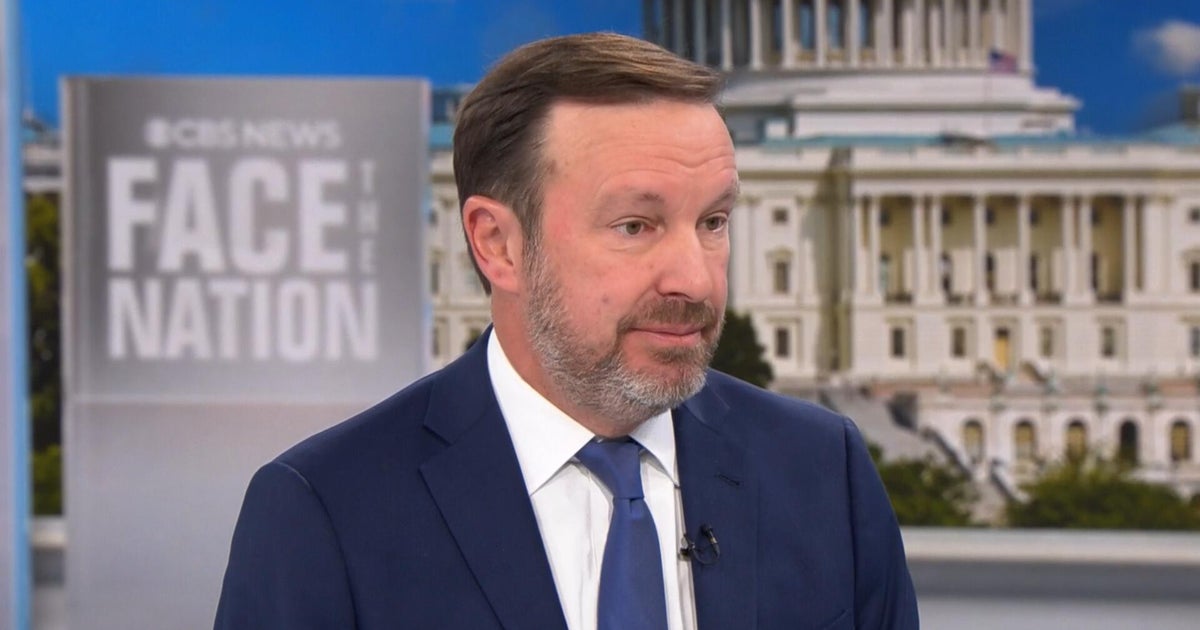
Senator Chris Murphy (D-CT) publicly attacked the Trump administration's handling of Ukraine policy on CBS, calling it "absolutely incompetent in war making." The criticism reflects Democratic concerns that Trump's dealmaking approach undermines US credibility with allies and emboldens adversaries.
Key points
Market impact. Political friction over Ukraine policy creates uncertainty for defense contractors and allies dependent on US security commitments. Equities tied to NATO expansion or Eastern European security may face volatility if US support becomes unpredictable.
Broader implications. Deepening partisan divide over Ukraine strategy signals that any Trump-brokered peace deal will face domestic political opposition. This constrains the administration's negotiating flexibility and raises the risk of policy reversals if political winds shift.