Strong bearish −763 sourceswholesale inflation · energy · ppi
US wholesale inflation jumped 6.3% year-over-year in September, the highest level since 2022, driven by a sharp spike in energy and fuel costs. The producer-price index rose 1.3% month-over-month in September versus 0.4% in August, marking the largest monthly advance in four years.
Key points
Market impact. This hotter-than-expected wholesale reading pressures Treasury yields higher and threatens to keep consumer price inflation sticky through the holiday shopping season. Retailers and manufacturers with thin margins face margin compression unless they pass costs to consumers, risking demand destruction.
Broader implications. The data undermines the Fed's narrative of disinflation and complicates any near-term rate-cut case. Energy volatility—whether from geopolitical risk or supply constraints—remains a persistent inflation wildcard that monetary policy alone cannot solve.
Sources (3)New York Post Business, The Daily Caller, ABC News
Bearish −333 sourcestreasury yields · bond market · deficit
10-year Treasury yields have climbed to quarter-century highs above 5%, driven by hotter-than-expected core inflation data and persistent concerns over a $2 trillion federal deficit. Bond yields are now pricing in sustained higher-for-longer rate expectations and fiscal deterioration.
Key points
Market impact. Higher Treasury yields cascade into mortgage rates, corporate borrowing costs, and equity valuations. Mortgage rates holding at 7.4%—near 3-year highs—are crushing housing affordability. Refinancing costs for the federal government are rising sharply, creating a vicious cycle of debt service crowding out productive spending.
Broader implications. The bond market is signaling that fiscal sustainability is now a first-order macro risk. Without revenue increases or spending discipline, the US faces a structural financing problem that could force either higher inflation, crowding out of private investment, or a fiscal shock.
Sources (3)CNBC Economy, YouTube - Yahoo Finance, CNBC Top Stories
The average 30-year fixed-rate mortgage has held steady at 7.4%, remaining at its highest level in nearly three years. Combined with elevated home prices, the affordability crisis is deepening for first-time buyers and move-up purchasers alike.
Key points
Market impact. Housing demand is likely to remain suppressed, pressuring new construction starts and home builder margins. Existing homeowners with sub-4% mortgages are locked in, reducing housing supply turnover and keeping prices elevated despite demand weakness. Mortgage REITs and servicers face margin compression.
Broader implications. Sustained 7%+ mortgage rates represent a structural shift in housing economics that will reshape residential real estate for years. Younger cohorts face delayed household formation, with ripple effects across consumer spending, furniture, appliances, and related sectors.
Sources (3)ABC News, New York Times Business, New York Times Economy
Strong bearish −761 sourcebitcoin miners · ai infrastructure · selloff
TeraWulf, Core Scientific, Cipher Mining, and IREN each lost more than 12% in a coordinated selloff triggered by hotter-than-expected inflation data. The decline reflects rising electricity costs and operational expenses tied to energy price spikes.
Key points
Market impact. Mining profitability is directly exposed to energy costs; wholesale energy inflation at 4-year highs compresses margins across the sector. The selloff signals that markets are repricing the cost structure of compute-intensive operations, including AI data centers that compete for the same power infrastructure.
Broader implications. This is a leading indicator for AI infrastructure economics. If energy costs remain elevated, the entire AI capex boom—from hyperscalers to startups—faces margin pressure and potential ROI deterioration, potentially slowing investment in GPU clusters and data centers.
Strong bullish +573 sourcestsmc · semiconductor · record profit
Taiwan Semiconductor Manufacturing Company reported third-quarter net profits of 763.34 billion Taiwan dollars (approximately $1.4 trillion in annualized run rate), marking its sixth consecutive record profit quarter. The foundry is capitalizing on insatiable demand for advanced chips powering AI applications.
Key points
Market impact. TSMC's sustained profitability and capacity expansion validate the structural durability of AI infrastructure spending. The company's pricing power and order book strength signal that hyperscalers and AI chip designers remain willing to pay premium prices for cutting-edge process nodes, despite energy cost headwinds.
Broader implications. TSMC's dominance in advanced chip manufacturing underscores Taiwan's geopolitical and economic centrality to global AI competition. Any supply disruption would be catastrophic for US and allied tech ecosystems, making Taiwan's security and cross-strait relations a first-order macro risk.
Sources (3)YouTube - Yahoo Finance, Market Watch, CNBC Top Stories
Strong bearish −793 sourcescoreweb · ai bonds · credit stress
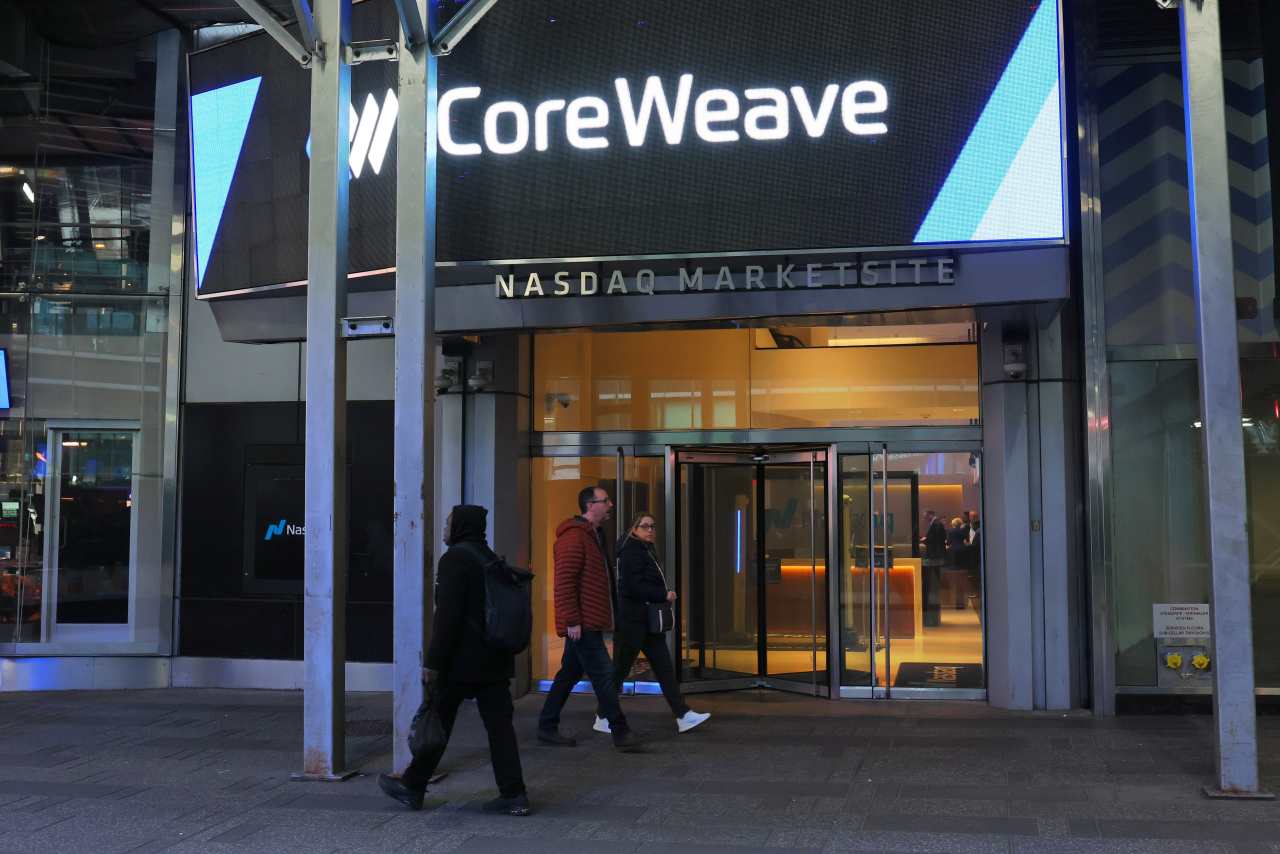
CoreWeave's bonds issued six months ago have tumbled to 81 cents on the dollar, with yields blowing out to 15%+. Shares sank 15% as investors price in default risk, signaling that the AI infrastructure financing boom is hitting a credit wall.
Key points
Market impact. CoreWeave's distress is a canary in the coal mine for the entire AI capex financing ecosystem. If rising energy costs and higher borrowing rates make AI infrastructure projects uneconomical, a wave of refinancing failures and covenant breaches could ripple through venture debt, private credit, and leveraged finance markets.
Broader implications. The AI infrastructure boom has been fueled by cheap leverage and the assumption of perpetual demand growth. CoreWeave's credit deterioration suggests that market discipline is finally pricing in execution risk, unit economics pressure, and the possibility that not all AI capex will generate positive returns.
KFC is switching from PepsiCo to Coca-Cola as its exclusive beverage supplier for US restaurants, ending a decades-long partnership. The move represents a major loss of volume and margin for PepsiCo's beverage division at a time when the company is already struggling with flat sales growth.
Key points
Market impact. The partnership loss directly impacts PepsiCo's (PEP) revenue and operating leverage in a high-margin category. Coca-Cola (KO) gains significant volume and distribution reach, strengthening its competitive moat in the US quick-service restaurant channel. Investors will scrutinize PepsiCo's ability to offset this loss through pricing or new partnerships.
Broader implications. The shift reflects broader consumer preference migration toward Coca-Cola and away from PepsiCo's portfolio. It signals that PepsiCo's attempts to diversify into snacks and healthier beverages have not fully compensated for weakness in its core cola business, raising questions about long-term competitive positioning.
Sources (3)Market Watch, New York Post Business, CNBC Business
Samsara has made its no-code Agent Studio platform generally available, enabling customers to build AI agents for fleet operations and physical logistics tasks. The company reports 7x adoption growth and claims its agents deliver 30% improvements in fleet safety and efficiency.
Key points
Market impact. Samsara's traction validates the enterprise AI agent market and positions the company as a leader in operationalizing AI for logistics and transportation. Success here could drive significant SaaS margin expansion and recurring revenue growth, making Samsara an attractive acquisition target or IPO candidate.
Broader implications. AI agents are moving from research labs into production workflows. If Samsara's platform proves durable and scalable, it signals that the next wave of AI value creation will come from automating physical operations—not just information work—with profound implications for labor demand in logistics and transportation.
Federal Reserve Governor Austan Goolsbee addressed the jump in bond yields to 25-year highs, attributing the move to persistent inflation expectations and market repricing of the Fed's rate path. Core inflation data coming in hotter than expected has forced bond markets to extend their forecast for elevated rates.
Key points
Market impact. The Fed's own officials are now publicly acknowledging that disinflation is stalling, which undermines market expectations for aggressive rate cuts in 2025. Equity valuations that priced in a 2024-2025 rate-cut cycle face downside risk if the Fed signals a longer hold at elevated rates.
Sources (2)YouTube - Yahoo Finance, CNBC Top Stories