Strong bullish +455 sourcestrump · energy ceasefire · russia
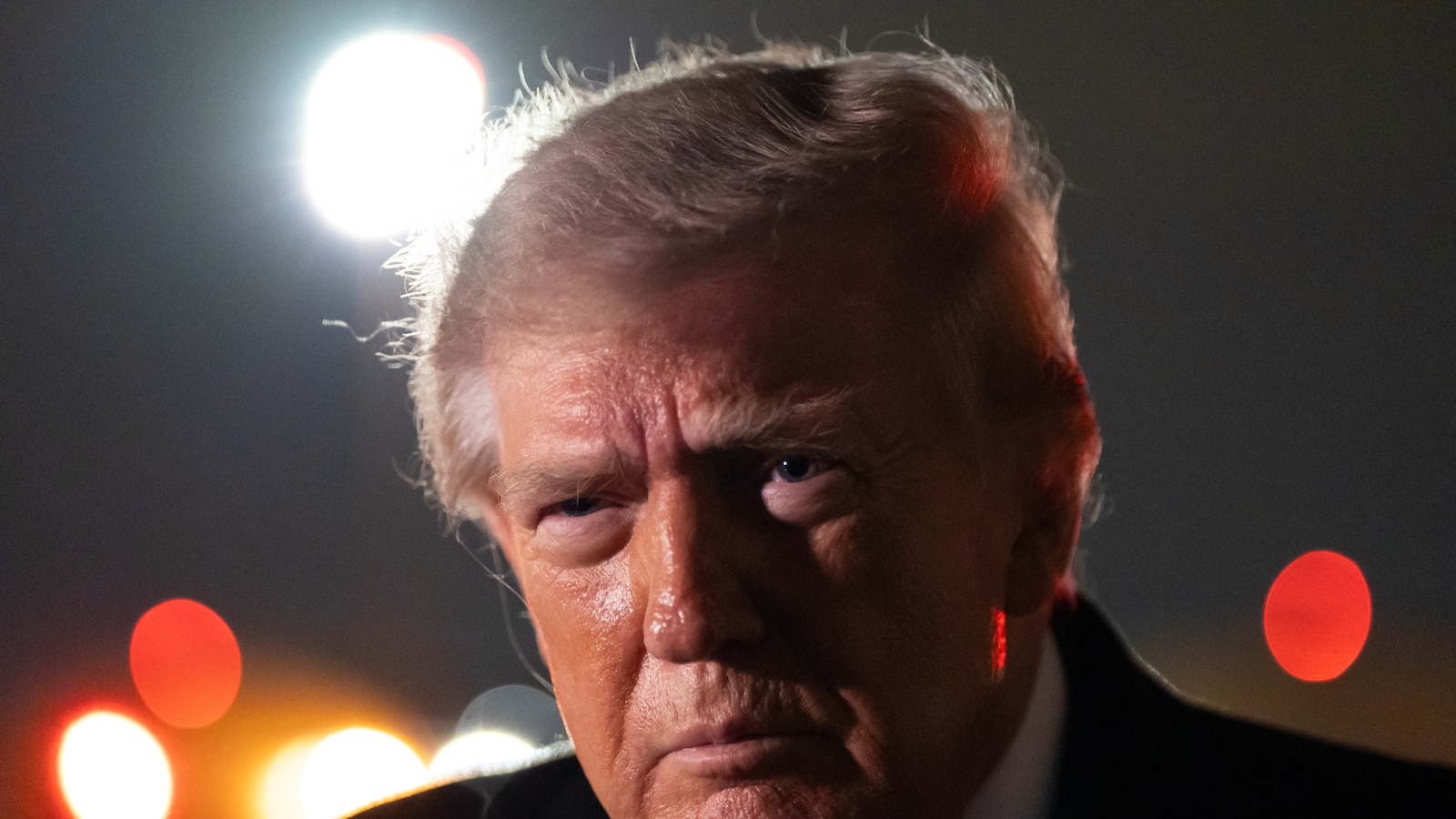
President Trump announced an "energy ceasefire" between Russia and Ukraine via social media, claiming both nations have agreed to halt attacks on energy infrastructure. Ukrainian President Zelenskyy said Kyiv would support such a truce but requested details from Washington; Moscow has not yet commented on the proposal.
Key points
Market impact. Oil prices fell immediately following the announcement, with Brent crude retreating as markets priced in reduced geopolitical risk premium. The move reflects investor relief at potential de-escalation in a conflict that has repeatedly disrupted energy supplies and driven volatility in crude and natural gas markets.
Broader implications. If credible, an energy ceasefire could stabilize global oil markets and ease inflation pressures on Western economies. However, the lack of Russian confirmation and Zelenskyy's cautious response suggest this remains a unilateral declaration rather than a negotiated agreement, limiting its immediate credibility.
Sources (5)CNBC Top Stories, BBC US, The Daily Caller
Strong bearish −785 sourceshouthis · riyadh · saudi
Iran-backed Houthis launched a missile attack on King Khalid International Airport in Riyadh on Saturday, killing at least 12 people and injuring over 300. A second strike hit the same terminal the following day, killing one and injuring 11 more, marking the deadliest attack on Saudi soil in more than a decade and signaling a major escalation in Middle East hostilities.
Key points
Market impact. The attacks threaten to reignite geopolitical risk premiums across energy markets, with potential for crude oil to spike if Saudi infrastructure becomes a sustained target. Regional aviation and tourism stocks face pressure, while defense contractors may see upside as Saudi Arabia and the US evaluate military responses.
Broader implications. The escalation signals a shift in Houthi capability and willingness to strike civilian infrastructure, not just military targets. Trump is reportedly evaluating whether the US should join Saudi strikes against the Yemen-based rebels, raising the risk of direct American military involvement and further destabilization of the Middle East.
Sources (5)The Guardian World News, CBS News, The Daily Caller
Strong bullish +734 sourcesbull market · ai · four years
The current bull market reaches its fourth anniversary next week, driven primarily by artificial intelligence spending and mega-cap tech dominance. Historical data shows bull markets that survive past their fourth year typically continue, but rising bond yields and energy price volatility present emerging headwinds to the rally's momentum.
Key points
Market impact. The longevity of this bull market has concentrated gains in a narrow set of AI-beneficiary stocks, creating valuation risks if sentiment shifts. Higher yields make growth stocks less attractive relative to fixed income, potentially triggering a rotation out of tech if the yield environment persists.
Broader implications. Four-year bull markets are relatively rare and durable, but this one's reliance on a single narrative—AI spending—leaves it vulnerable to disappointment in earnings or capital allocation. Macro headwinds including geopolitical risk and fiscal uncertainty could test whether this rally has further runway.
Sources (4)Market Watch, New York Post Business, CNBC Top Stories
Bearish −211 sourcenorth korea · ballistic missiles · weapons
South Korea's Joint Chiefs of Staff reported that North Korea fired multiple ballistic missiles from an area near Pyongyang, continuing its pattern of weapons development and testing. The launches underscore Pyongyang's ongoing defiance of international sanctions and its commitment to advancing its nuclear and missile capabilities.
Key points
Market impact. North Korean missile tests typically trigger safe-haven flows into US Treasuries and Japanese yen while pressuring Korean and regional equities. Defense contractors with Asia-Pacific exposure may see modest upside, though the market impact is usually contained unless the test represents a significant technological breakthrough.
Broader implications. The tests signal that diplomatic engagement remains stalled and that North Korea continues to prioritize weapons development over economic reform. Escalating North Korean activity adds another layer of geopolitical risk to an already tense Asia-Pacific region amid US-China tensions.
Neutral 01 sourcechina · gold · dollar diversification
China is importing record amounts of gold as Beijing pursues de-dollarization and Chinese households seek safe-haven assets. The surge reflects both official policy to build alternative reserves and retail demand for gold as a hedge against currency depreciation and economic uncertainty.
Key points
Market impact. Sustained Chinese gold demand provides structural support for gold prices, potentially pushing spot prices higher despite a strong dollar. Mining stocks with exposure to Chinese demand and gold ETFs could see upside, while the trend reinforces gold's role as a macro hedge in a multipolar currency environment.
Broader implications. China's gold accumulation is part of a broader strategy to reduce reliance on the US dollar and build alternative payment systems. This accelerates the long-term shift toward a multipolar reserve currency system and signals Beijing's confidence in gold as a store of value amid geopolitical tensions.
The Institute for Fiscal Studies warned that escalating conflict between Iran and regional powers poses significant risks to the UK government's spending and fiscal plans. The think tank's pre-budget analysis suggests that geopolitical shocks could force unplanned defense spending and disrupt economic assumptions underlying the budget.
Key points
Market impact. UK gilt yields could rise if the government faces unexpected defense spending, pressuring sterling and UK equities. The warning adds to existing fiscal pressures and suggests the government has limited fiscal flexibility to absorb geopolitical shocks without widening the deficit or cutting other programs.
Broader implications. The IFS analysis highlights how Middle East instability creates fiscal spillovers for Western governments already facing tight budget constraints. The UK's fiscal position leaves little room for unexpected military commitments, potentially constraining London's ability to respond to regional crises.
Strong bearish −561 sourcebill gates · ai · cyberattacks
Microsoft co-founder Bill Gates warned that artificial intelligence could enable a surge in sophisticated cyberattacks if safeguards are not strengthened. Gates cautioned that "bad people" could exploit AI's growing capabilities to commit crimes at scale, particularly as automation makes attacks cheaper and more effective.
Key points
Market impact. The warning bolsters the case for cybersecurity spending and regulatory oversight of AI, benefiting security software vendors and compliance-focused tech firms. It also reinforces pressure on AI companies to implement safety measures, potentially increasing development costs and slowing deployment timelines for some applications.
Broader implications. Gates' intervention signals that AI safety concerns are moving from academic debate into mainstream corporate and policy discourse. The warning supports calls for AI regulation and suggests that governments may impose mandatory safeguards, reshaping the competitive landscape for AI developers.
Neutral 01 sourcetrump · russian diesel · bipartisan opposition
Six senators from both parties called on the Trump administration to immediately reverse its plan to import diesel from Russia, citing national security and sanctions concerns. The bipartisan pushback signals rare congressional unity against a Trump policy and reflects deep skepticism about strengthening energy ties with Moscow amid ongoing Ukraine conflict.
Key points
Market impact. The congressional opposition reduces the likelihood the diesel import plan proceeds, supporting US refinery margins and domestic energy prices. Energy stocks with exposure to US refining could see modest support, while Russian energy companies face continued isolation from US markets.
Broader implications. The bipartisan Senate response constrains Trump's ability to unilaterally reshape Russia policy and signals that Congress retains leverage over sanctions enforcement. The episode underscores the political limits of rapprochement with Russia while Ukraine conflict remains unresolved.