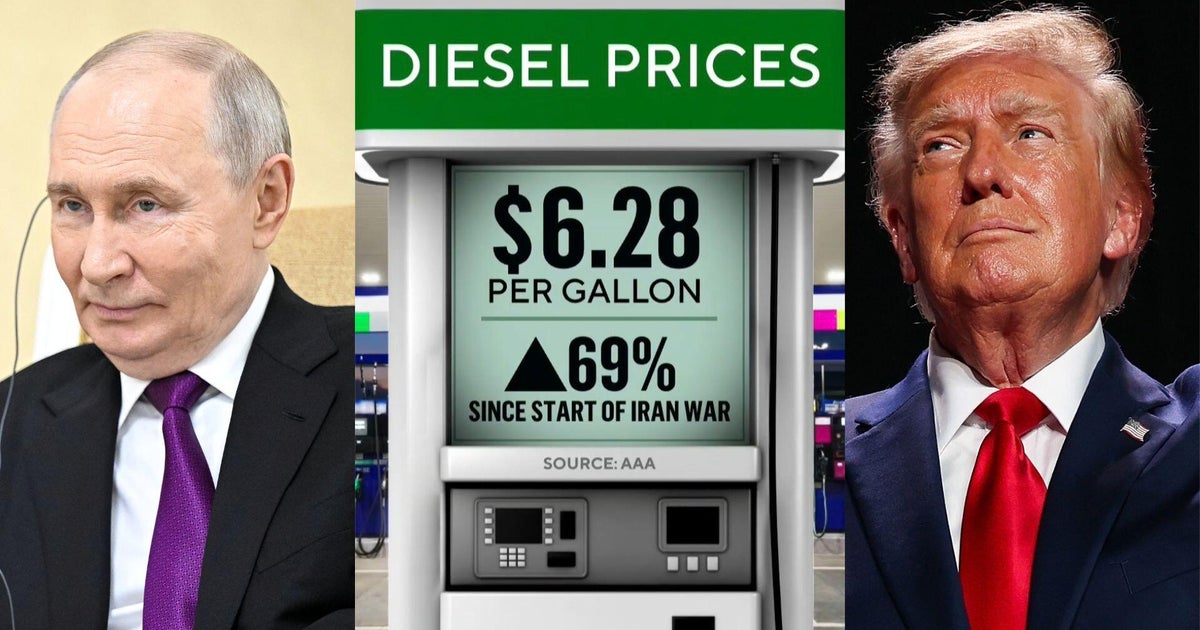
President Trump announced a deal with Russia to import millions of tons of diesel fuel over the coming months, framing it as a measure to lower U.S. fuel prices before the midterm elections. The move came hours after Russian strikes killed 11 in Ukraine, prompting Zelenskyy to denounce the agreement as bankrolling Moscow's war effort and NATO allies to express alarm over the geopolitical realignment.
Key points
Market impact. Energy markets face conflicting signals: while the deal theoretically increases diesel supply, analysts note the volume is small relative to U.S. demand and unlikely to meaningfully suppress prices before November. The announcement rattled defense and energy stocks tied to NATO commitments and Ukraine support, while benefiting Russian energy exporters.
Broader implications. The deal represents a dramatic pivot in Trump's foreign policy, aligning the U.S. with Russia against Ukraine and NATO allies at a critical moment in the conflict. It signals potential shifts in sanctions policy and defense spending if Trump returns to office, with profound implications for European security architecture and energy independence.
Sources (5)CBS Money Watch, CBS News, The Guardian US News +2
The average 30-year fixed-rate mortgage climbed to 7.4–7.5%, marking the highest level in nearly three years and the seventh consecutive week of increases. Demand for both home purchases and refinancing has collapsed as affordability deteriorates, with Wall Street increasingly favoring rental positions over homeownership.
Key points
Market impact. Homebuilder stocks face headwinds as purchase intent evaporates, while residential real estate investment trusts and rental-focused equities gain relative appeal. The surge in mortgage costs compounds broader fixed-income pressure, as Treasury yields remain elevated on hawkish Fed expectations and geopolitical risk premiums from Middle East tensions.
Broader implications. Rising mortgage rates are reshaping American wealth accumulation and consumer behavior, pushing younger and middle-income households toward permanent renting. This structural shift threatens the traditional homeownership-driven path to generational wealth and may dampen consumer confidence heading into the election cycle.
SpaceX agreed to purchase Grain Management's 800 MHz spectrum portfolio, a nationwide license that bolsters Starlink Mobile's ambitions to compete directly in the U.S. wireless market. The acquisition signals Elon Musk's intent to challenge the three major carriers with satellite-backed mobile service, moving beyond niche coverage into mainstream competition.
Key points
Market impact. AT&T, Verizon, and T-Mobile shares fell sharply on the news, reflecting investor concern over margin compression and customer churn if SpaceX can undercut incumbents on pricing. The move pressures legacy telecom valuations and may trigger M&A activity or accelerated network investment as carriers defend market share.
Broader implications. SpaceX's entry into wireless represents a structural threat to traditional telecom economics, leveraging satellite infrastructure and vertical integration to bypass legacy cost structures. Success would reshape the competitive landscape and potentially force regulatory scrutiny of spectrum allocation and market concentration.
Sources (4)Market Watch, YouTube - Yahoo Finance, CNBC Top Stories
Strong bearish −515 sourcestrump · fed · lisa cook
President Trump established a White House committee to investigate unsubstantiated mortgage fraud allegations against Federal Reserve Governor Lisa Cook, renewing efforts to remove her despite a Supreme Court ruling that such removal would be unconstitutional. The committee will assess whether grounds exist for her ouster, marking an escalation in Trump's battle with the central bank's leadership.
Key points
Market impact. The move signals Trump's intent to reshape Fed composition and policy direction, raising uncertainty around interest rate decisions and monetary independence. Markets may price in higher odds of more dovish policy if Trump gains leverage over Fed appointments, potentially supporting equities but pressuring bonds and the dollar.
Broader implications. The effort to remove Cook challenges institutional norms around central bank independence and sets a precedent for politicizing Fed governance. Success would embolden future administrations to weaponize investigations against officials perceived as obstacles, fundamentally undermining the Fed's autonomy and credibility.
Sources (5)Market Watch, Washington Post Politics, The Guardian Business +2
Starbucks has engaged advisers to explore a takeover of Chipotle, a deal that would reunite CEO Brian Niccol with the fast-casual Mexican chain he led before joining the coffee giant two years ago. The move would create a dual-brand powerhouse combining two of the most recognizable restaurant franchises, though significant execution and cultural integration risks remain.
Key points
Market impact. Chipotle shares jumped on the takeover speculation, while Starbucks investors expressed concern over debt issuance required to finance an acquisition of that scale. The deal would likely face antitrust scrutiny given the combined footprint and market concentration in quick-service dining, potentially limiting upside and delaying close.
Broader implications. A successful merger would signal consolidation in the restaurant sector as chains seek scale and operational synergies to combat labor inflation and commodity pressures. The deal tests whether brand identity and customer loyalty can survive integration, with implications for the broader M&A environment in consumer discretionary.
Sources (4)CBS Money Watch, Market Watch, CNBC Business +1
Oil prices jumped 5% as Iranian attacks disrupted tanker traffic through the Strait of Hormuz, with only seven vessels passing through on Tuesday—the lowest since late July. The energy spike pushed Treasury yields higher on expectations of persistent inflation and a more hawkish Federal Reserve, compressing equity valuations as the earnings cushion against rising rates erodes.
Key points
Market impact. Equities sold off as the 10-year yield climbed, with growth stocks and rate-sensitive sectors hit hardest. Energy stocks rallied on higher oil, but the broader market faced headwinds from multiple compression and reduced earnings power. Ray Dalio warned that the stock market's buffer against rising yields is shrinking as free cash flow deteriorates.
Broader implications. Geopolitical risk in the Middle East is now a primary driver of U.S. financial conditions, with each Iranian escalation threatening to reignite stagflation concerns. If oil remains elevated and the Fed maintains hawkish bias, equity multiples face structural compression regardless of earnings growth, challenging the bull case for risk assets.
Sources (4)Market Watch, New York Post Business, YouTube - Yahoo Finance +1
OpenAI terminated three AI safety researchers and defended the firings as warranted for breach of trust and mishandling sensitive information, rejecting claims that the dismissals were retaliation for raising safety concerns. The researchers countered that they were punished for prioritizing safety and warned the firings would create a chilling effect on internal dissent.
Key points
Market impact. The dispute highlights governance risks at OpenAI and raises questions about the company's commitment to responsible AI development, potentially affecting investor confidence and regulatory scrutiny. The incident may accelerate calls for external AI safety boards and compliance frameworks, impacting OpenAI's valuation and competitive positioning.
Broader implications. The firings underscore tensions between commercial pressure and safety accountability in AI development, setting a precedent for how companies handle internal dissent. If safety researchers fear retaliation, the industry risks losing critical internal oversight, potentially accelerating regulatory intervention and erosion of public trust in AI governance.
Sources (4)NPR Business, New York Post Business, CBS Money Watch +1
The Trump administration imposed fresh sanctions targeting the International Criminal Court itself, vowing to dismantle it "brick by brick" unless it ceases what the U.S. characterizes as unfair targeting of Americans for war crime investigations. The move escalates Trump's long-standing hostility toward the ICC and signals intent to restrict the tribunal's resources and operational capacity.
Key points
Market impact. The sanctions carry limited direct market impact but signal broader U.S. withdrawal from multilateral institutions, potentially affecting defense contractors and international law firms. The move may embolden other nations to challenge ICC authority, creating uncertainty around accountability mechanisms for geopolitical actors.
Broader implications. The sanctions represent a direct assault on international law and accountability structures, undermining the post-WWII rules-based order. The move signals that the Trump administration prioritizes U.S. sovereignty over global governance norms, with implications for alliances, conflict resolution, and the legitimacy of international institutions.