Strong bearish −763 sourceswholesale · inflation · energy
U.S. wholesale inflation jumped 6.3% annually in September, the highest level since 2022, driven by a sharp spike in energy and fuel costs. The producer-price index rose 1.3% month-over-month in September versus 0.4% in August, marking the largest monthly advance in four years.
Key points
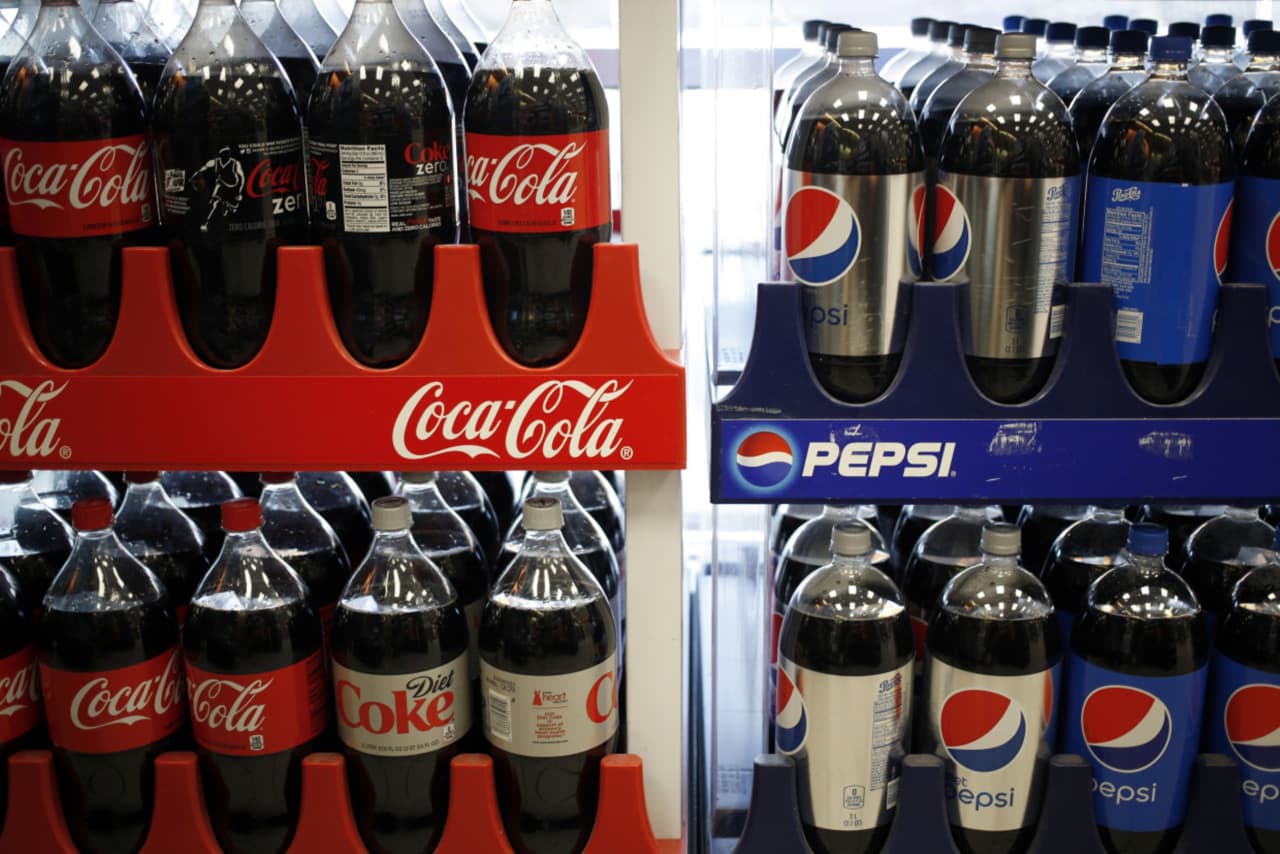
Market impact. Treasury yields spiked on the hotter-than-expected reading, with the 10-year yield jumping as inflation concerns resurface. Retailers and consumer goods companies face margin pressure heading into the holiday season, with PepsiCo, Coca-Cola, and other packaged goods makers likely to pass costs to consumers through price increases.
Broader implications. The surge undermines the Federal Reserve's inflation narrative and complicates rate-cut expectations for 2025. Energy volatility remains a persistent headwind for both corporate profitability and household purchasing power, particularly in heating-dependent regions like Maine.
Sources (3)New York Post Business, The Daily Caller, ABC News
The average 30-year fixed-rate mortgage held steady at 7.4% this week, remaining at its highest level in nearly three years. Rates have climbed steadily in recent weeks, compounding affordability challenges for would-be buyers already facing elevated home prices.
Key points
Market impact. Higher mortgage rates directly suppress housing demand and new construction starts, pressuring homebuilder stocks and real estate finance companies. The persistence of rates above 7% may force price corrections in overheated markets, though existing homeowners with locked-in lower rates are unlikely to sell, constraining inventory.
Broader implications. The housing market is effectively bifurcated: existing homeowners benefit from rate lock-in, while first-time buyers are priced out. This dynamic widens wealth inequality and reduces economic mobility, with implications for consumer spending and labor market flexibility.
Sources (3)ABC News, New York Times Business, New York Times Economy
The 10-year Treasury yield has climbed above 5%, reaching quarter-century highs, as core inflation data came in hotter than expected in September. Federal Reserve officials, including Chicago Fed President Austan Goolsbee, have acknowledged the structural pressures driving yields higher.
Key points
Market impact. Higher Treasury yields raise borrowing costs across the economy—for the federal government, corporations, and households. Bank of America's survey indicates 6% on the 10-year yield could trigger a significant investor rotation into bonds, potentially depressing equity valuations and growth stocks.
Broader implications. The $2 trillion federal deficit is now colliding with persistent inflation and rising real rates, creating a fiscal-monetary policy bind. Without deficit reduction or demand destruction, yields may continue climbing, threatening both sovereign creditworthiness and economic growth.
Sources (3)CNBC Economy, YouTube - Yahoo Finance, CNBC Top Stories
KFC is switching from PepsiCo to Coca-Cola as its beverage supplier for U.S. restaurants for the first time in decades, ending a long-standing partnership. The move reflects broader consumer preference shifts toward Coca-Cola products and mounting pressure on PepsiCo's beverage division.
Key points
Market impact. PepsiCo (PEP) faces revenue headwinds and margin compression from the loss of a major quick-service restaurant anchor tenant. Coca-Cola (KO) gains distribution scale and reinforces its dominance in the soda wars. Analysts are reassessing PepsiCo's growth trajectory and pricing power in a competitive beverage market.
Broader implications. The partnership loss signals deeper structural challenges for PepsiCo's core beverage business amid shifting consumer preferences toward healthier alternatives. It also demonstrates Coca-Cola's ability to leverage scale and brand strength to win high-value partnerships.
Sources (3)Market Watch, New York Post Business, CNBC Business
Strong bullish +573 sourcestsmc · ai · semiconductors
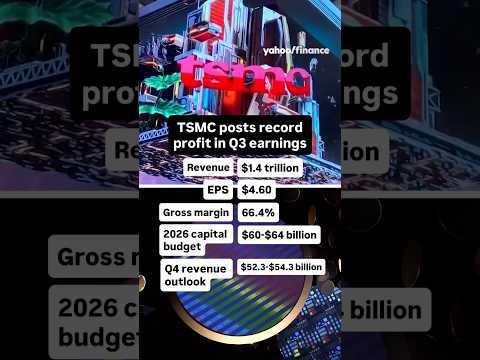
Taiwan Semiconductor Manufacturing Company (TSMC) reported third-quarter net profits of 763.34 billion Taiwanese dollars (approximately $1.4 billion USD equivalent), marking a record sixth consecutive quarter of profit growth. CEO C.C. Wei signaled no signs of slowdown in AI-driven chip demand.
Key points
Market impact. TSMC's sustained profitability and forward guidance underpin the entire semiconductor supply chain and validate the AI infrastructure investment thesis. The company's dominance in advanced chip manufacturing supports valuations for Nvidia, AMD, and other fabless design firms that depend on TSMC capacity.
Broader implications. TSMC's record results confirm that AI capex cycles are real and durable, not speculative. Taiwan's geopolitical importance as the world's leading advanced chip manufacturer intensifies amid U.S.-China tensions and supply chain diversification efforts.
Sources (3)YouTube - Yahoo Finance, Market Watch, CNBC Top Stories
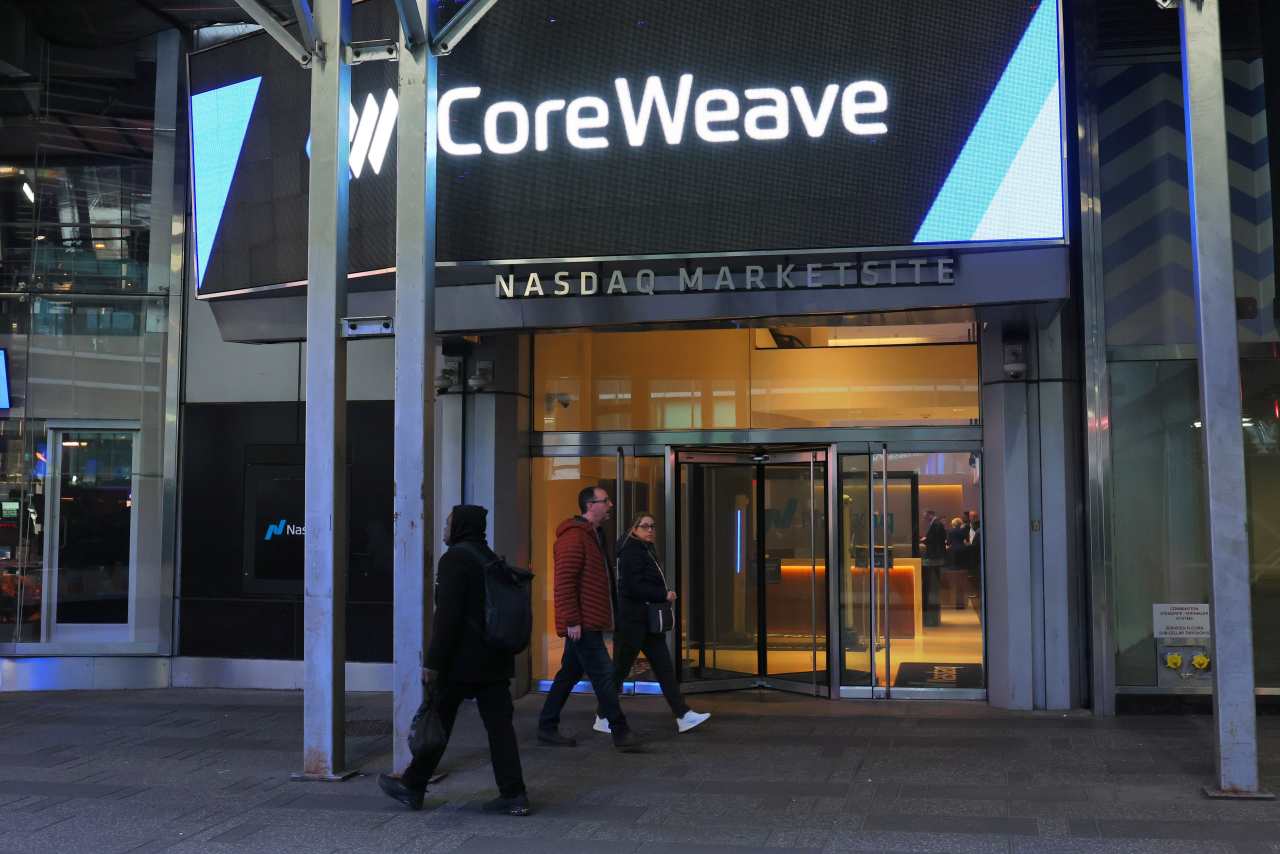
CoreWeave's bonds, issued six months ago, have tumbled to 81 cents on the dollar with yields blowing out above 15%, signaling rising default risk. The company's stock has also declined 15%, with investors increasingly spooked by the sustainability of AI infrastructure financing at current valuations.
Key points
Market impact. CoreWeave's credit deterioration raises questions about the broader AI infrastructure debt binge and whether companies built on speculative capex cycles can service obligations. Credit spreads for AI-adjacent companies are likely to widen, making future financing more expensive and selective.
Broader implications. The CoreWeave situation exposes leverage risks in the AI infrastructure ecosystem and suggests that not all AI capex is equally durable. A broader credit repricing in high-growth, capital-intensive sectors could constrain investment and slow AI deployment timelines.
Samsara has made its no-code Agent Studio platform generally available, enabling customers to build AI agents for physical operations tasks without coding expertise. The company reports 7x adoption growth, with AI agents delivering 30% improvements in fleet safety and efficiency metrics.
Key points
Market impact. Samsara's platform democratizes AI agent deployment for logistics, transportation, and field operations—a massive TAM. The 7x adoption acceleration validates enterprise demand for autonomous workflow automation and positions Samsara as a key infrastructure play in the AI agent ecosystem.
Broader implications. AI agents are moving from research labs into production at scale, with tangible ROI in physical operations. This shift threatens traditional enterprise software vendors and creates new competitive dynamics around workflow automation and autonomous decision-making.
Lockheed Martin is investing $300 million to expand its Grand Prairie, Texas manufacturing facility, which supports all missile programs within its Missiles and Fire Control division. The expansion signals confidence in sustained demand for precision-guided munitions and advanced defense systems.
Key points
Market impact. The capex commitment underscores strong order books and pricing power in the defense industrial base. Lockheed Martin (LMT) and peer contractors like Raytheon Technologies (RTX) benefit from elevated geopolitical tensions, Ukraine aid packages, and NATO expansion driving procurement cycles.
Broader implications. U.S. defense spending is structurally elevated due to Russia-Ukraine conflict, Taiwan tensions, and NATO modernization. Lockheed's expansion reflects a multi-year commitment to capacity growth, supporting sustained earnings growth for the defense sector.
Moscow has launched swarms of drones against Ukrainian infrastructure in central Ukraine as President Zelenskyy announced Kyiv will restart strikes on Russian energy targets. The escalation marks the collapse of any informal ceasefire on energy infrastructure that may have been negotiated during Trump transition discussions.
Key points
Market impact. Renewed energy infrastructure targeting threatens European energy security and could spike oil and natural gas prices. Energy stocks and defense contractors benefit from escalation, while European utilities and industrial companies face supply uncertainty heading into winter.
Broader implications. The collapse of any de-escalation framework signals that Trump's proposed negotiated settlement faces significant obstacles. Sustained conflict intensity will prolong defense spending cycles and energy market volatility, with geopolitical risk premiums likely to persist.