President Trump announced an "energy ceasefire" between Russia and Ukraine, claiming both sides have agreed to halt attacks on energy infrastructure. Zelenskyy conditionally backed the proposal but demanded Russia confirm its participation; Moscow has not yet responded. Oil prices fell on the news, with Iran reportedly offering to mediate between Yemen's Houthis and Saudi Arabia as a parallel de-escalation signal.
Key points
Market impact. Crude oil declined on ceasefire optimism, reducing energy supply risk premiums. Energy stocks and utilities tied to European exposure face volatility pending Russian confirmation. A genuine ceasefire would ease global energy prices and reduce inflation pressure on central banks, but unconfirmed claims create whipsaw risk for traders.
Broader implications. If credible, this signals Trump's diplomatic intervention in Ukraine is gaining traction and could reshape geopolitical risk pricing. Failure to secure Russian buy-in would undermine U.S. credibility and reinforce market skepticism about near-term conflict resolution.
Iran-backed Houthi militants launched a missile attack on King Khalid International Airport in Riyadh, killing at least 12 people—including one American—and injuring over 300. The strike marked the deadliest attack on Saudi soil in more than a decade and was followed by a second projectile strike on the airport terminal. Trump is evaluating whether the U.S. should join Saudi-led coalition strikes against the Yemeni rebels.
Key points
Market impact. Oil prices face upside pressure from renewed Middle East conflict escalation and potential U.S. military involvement. Aviation and tourism stocks tied to Saudi Arabia and regional travel face headwinds. Energy markets are pricing in heightened geopolitical risk, with Brent crude supported by supply-chain disruption fears.
Broader implications. The attack signals Iran's proxy network is willing to strike high-profile civilian infrastructure, raising the cost of regional stability and complicating Trump's Middle East strategy. U.S. military escalation could entangle Washington in a broader Yemen conflict and strain energy markets further.
Bullish +233 sourcesnobel prize · economics · hall · woodford
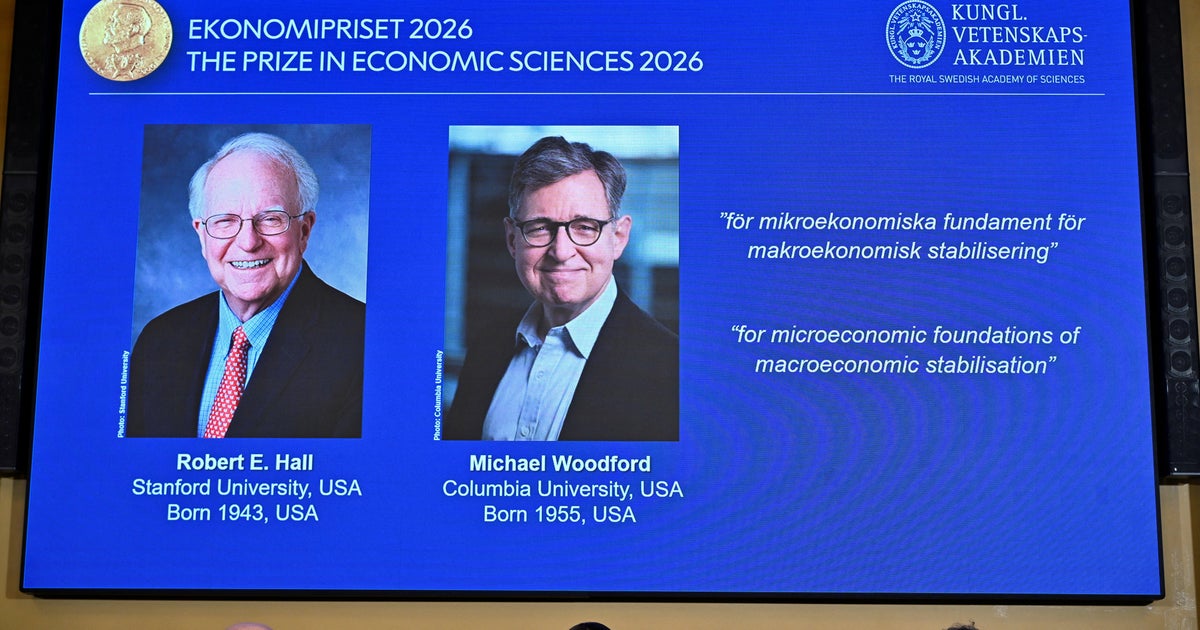
American economists Robert E. Hall and Michael Woodford won the 2024 Nobel Prize in Economics for their work on models that explain and smooth boom-and-bust cycles. Their research underpins the frameworks central banks and governments use to stabilize economies and limit unemployment volatility.
Key points
Market impact. The award validates policy frameworks that have guided Fed and ECB decisions, reinforcing market confidence in institutional monetary management. No immediate market move, but signals academic consensus supports countercyclical policy—relevant to current rate-cut debates.
Broader implications. Recognition of their work on cycle stabilization comes as central banks navigate post-inflation normalization, lending intellectual weight to proactive rate management and forward guidance strategies.
Sources (3)CBS Money Watch, CNBC Economy, NPR Business
The U.S. stock bull market is approaching its fourth anniversary, driven primarily by artificial intelligence spending and tech sector dominance. Historically, bull markets that survive past their fourth year tend to persist, but rising bond yields and energy price volatility pose near-term headwinds to the rally's momentum.
Key points
Market impact. Tech and mega-cap AI beneficiaries remain supported by structural growth narratives, but yield-sensitive sectors face rotation risk if Treasury yields spike further. Truist Advisory Services notes that longevity of bull markets past year four historically favors continued upside, but execution risk on earnings remains high.
Broader implications. Sustained AI capex cycles could extend the bull market, but macro headwinds—geopolitical conflict, energy shocks, rate volatility—threaten to derail the narrative. Market breadth and earnings quality will determine whether this becomes a fifth-year bull or a correction catalyst.
Sources (4)Market Watch, New York Post Business, CNBC Top Stories
India's retail inflation accelerated to 5.54% in September, exceeding economist estimates and marking the 11th consecutive month of price pressure. The surge raises the probability of additional Reserve Bank of India rate hikes to combat persistent cost-of-living pressures.
Key points
Market impact. Indian rupee faces depreciation pressure as rate hike expectations support carry trades but signal RBI tightening bias. Equity markets may face headwinds from higher borrowing costs, while bond yields will reprice upward. Emerging market investors should expect volatility in India-exposed positions.
Broader implications. India's inflation persistence contradicts global disinflation trends and complicates the RBI's dual mandate. Sustained rate hikes could slow growth in Asia's fastest-growing major economy, with spillover effects on regional emerging markets and commodity demand.
Goldman Sachs upgraded its equity stance for the remainder of 2024, citing resilient earnings growth and supportive valuation dynamics. The shift signals growing confidence among major institutional players that the bull market can weather near-term macro headwinds.
Key points
Market impact. Goldman's bullish call carries weight with institutional allocators and could accelerate equity inflows into year-end. The upgrade supports tech and growth stocks while validating the AI-driven narrative that has dominated market leadership.
Broader implications. Major investment banks converging on bullish positioning increases crowding risk and reduces margin of safety if earnings disappoint or geopolitical shocks materialize. Contrarian investors should monitor positioning extremes.
Strong bullish +531 sourcekraken · dubai · vara · dirham
Payward, Kraken's parent company, received full market approval from Dubai's Virtual Assets Regulatory Authority (VARA) to expand digital asset services in the UAE, including dirham trading and custody for Ripple's RLUSD stablecoin. The firm also plans to enable institutional collateral arrangements via LMAX.
Key points
Market impact. Approval signals growing institutional adoption of crypto infrastructure in the Middle East and validates stablecoin utility for regional finance. Ripple's RLUSD gains a major custody partner, supporting its competitive positioning against USDC and USDT in emerging markets.
Broader implications. Dubai's regulatory clarity attracts crypto capital and positions the UAE as a hub for digital asset innovation, competing with Singapore and Hong Kong. Institutional-grade custody infrastructure accelerates crypto's transition from retail speculation to institutional settlement rails.
Strong bearish −452 sourcesenergy order · iran · middle east
The Iran-Yemen conflict is creating chronic energy insecurity and disrupting global supply chains far beyond oil markets. Shipping delays and geopolitical risk premiums are cascading into unexpected sectors—including agriculture, where banana imports from Central America face delays and price pressures due to Middle East-related logistics disruptions.
Key points
Market impact. Energy prices remain elevated on supply-chain fragility, while agricultural commodities face secondary inflation from logistics bottlenecks. Consumer staples and food companies face margin compression from transportation cost inflation. Shipping stocks and logistics providers benefit from elevated freight premiums.
Broader implications. Prolonged Middle East instability is creating a "new normal" of elevated energy costs and supply-chain friction that central banks must account for in inflation forecasts. This structural shift supports commodity prices and complicates the disinflationary narrative markets have priced in.
Bearish −381 sourceai · labor market · imf · georgieva
IMF Chief Kristalina Georgieva warned that artificial intelligence is disrupting the global labor market with tsunami-like force, particularly hitting young workers and emerging economies. The World Bank's jobs council is urging governments to deploy "crisis-era" employment support measures to mitigate displacement.
Key points
Market impact. The warning signals potential fiscal spending increases as governments respond to AI-driven job displacement, supporting bond yields and inflation expectations. Education and retraining stocks may benefit from policy support, while labor-intensive sectors face structural headwinds.
Broader implications. Institutional recognition of AI's labor-market disruption validates long-term secular concerns about inequality and social stability. Policy responses could range from universal basic income pilots to targeted subsidies, reshaping fiscal frameworks and political risk calculus in developed and emerging markets.