Strong bearish −514 sourcestrump · russia · sanctions · ukraine
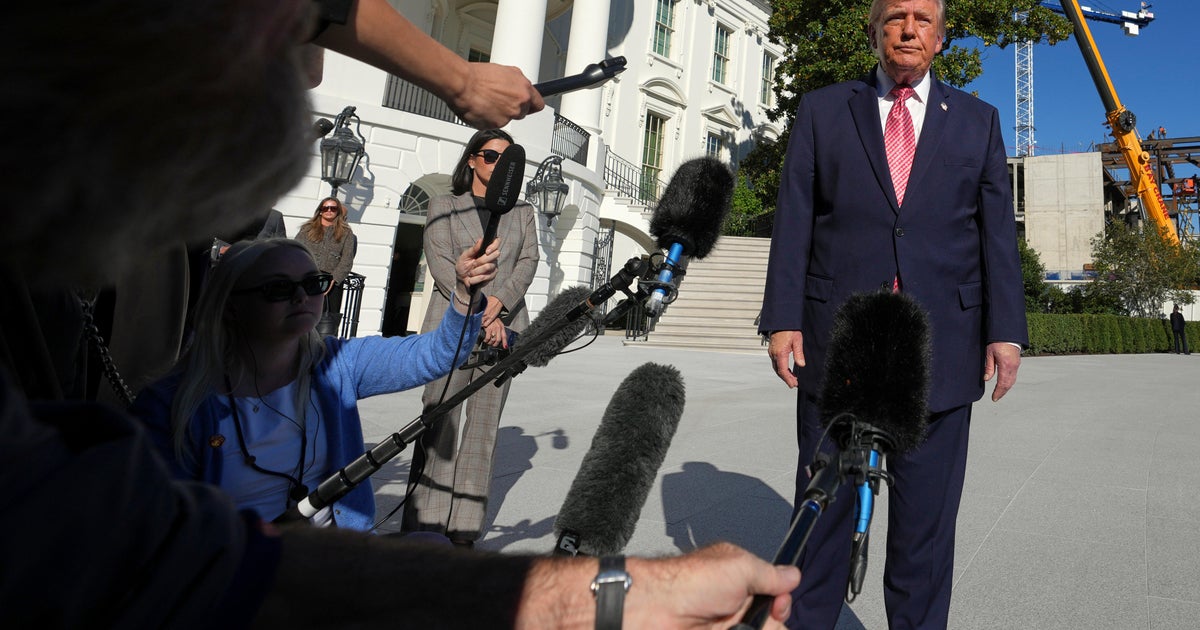
President Trump has waived virtually all new Russia sanctions he had previously signed, reversing course amid ongoing Russian strikes against Ukraine. Ukrainian President Zelenskyy called the move "seems wrong" and a "reward" for Vladimir Putin, warning it will intensify the war as Russia continues attacking power plants.
Key points
Market impact. Energy markets are repricing geopolitical risk; Brent crude is holding near five-month highs as traders factor in reduced sanctions pressure on Russian oil exports. Global shipping stocks face pressure from the policy reversal, while defense and energy sector volatility may spike on escalation fears.
Broader implications. Trump's move directly contradicts Congressional intent and signals a fundamental shift in U.S. posture toward Russia, potentially destabilizing NATO allies and emboldening Moscow to intensify military operations. The decision also raises questions about the durability of Western sanctions architecture.
Sources (4)CBS News, New York Times Business, The Guardian World News
Strong bearish −593 sourcesdeepseek · china · ban · government
The U.S. Department of Homeland Security has banned DeepSeek-related technology from federal civilian agency IT systems, extending earlier restrictions that were limited to defense and security agencies. The move reflects escalating concerns that the Chinese AI model could expose sensitive federal data and infrastructure.
Key points
Market impact. The ban signals intensifying U.S.-China tech decoupling and may accelerate demand for domestic AI alternatives, benefiting Nvidia, OpenAI, and Anthropic. It also underscores regulatory risk for any Chinese tech company seeking U.S. market access, potentially affecting valuations of AI infrastructure plays.
Broader implications. This represents a hardening of U.S. policy toward Chinese AI capabilities and signals that Washington views DeepSeek as a strategic threat, not merely a commercial competitor. Expect broader sectoral restrictions on Chinese software and AI tools across federal procurement.
Sources (3)CNBC Top Stories, Cointelegraph, BBC US
Bullish +274 sourcesanthropic · public benefit · shares · ipo
Anthropic announced it will commit 5% of its shares—potentially worth $2.4 billion based on its $48 billion valuation—to a new "public benefit" fund structured as an LLC, with the commitment potentially increasing to 7% post-IPO. The fund will address AI-related job disruption and other societal impacts, positioning the Claude maker as a responsible AI steward ahead of its public market debut.
Key points
Market impact. The announcement signals Anthropic's readiness for public markets and may set a precedent for other AI unicorns seeking IPO approval. It reduces potential regulatory friction and ESG concerns that could otherwise depress valuations, while the LLC structure provides tax and operational flexibility that could enhance shareholder returns.
Broader implications. This move reflects growing pressure on tech titans to address AI's labor market disruption and demonstrates how mega-cap tech companies are using charitable commitments as a preemptive regulatory strategy. Expect similar pledges from OpenAI, Google DeepMind, and other AI leaders.
Sources (4)The Guardian Business, BBC Business, ABC News +1
Elon Musk announced plans to give one SpaceX share to every child in America—a commitment worth more than $10 billion, or approximately 1% of his current net worth. The shares would be deposited into "Trump Accounts," a structure that appears designed to align the giveaway with the Trump administration's political agenda.
Key points
Market impact. The pledge is primarily a public relations maneuver with limited immediate market impact, as SpaceX remains private and the logistics of distributing shares to millions of minors remain unclear. However, it signals Musk's confidence in SpaceX's long-term valuation and may accelerate IPO speculation.
Broader implications. The "Trump Accounts" framing reveals Musk's deepening alignment with the Trump administration and suggests potential quid pro quo expectations around government contracts and regulatory favors. This follows similar wealth-distribution pledges from Anthropic and other tech moguls seeking to manage public perception.
Sources (4)The Verge, New York Times Business, Market Watch +1
Bullish +391 sourcebitcoin · jpmorgan · outlook · decade
JPMorgan included Bitcoin in its long-term capital market outlook for the first time, projecting it to outperform U.S. equities and gold over the next decade. The endorsement from Wall Street's largest bank represents a watershed moment in institutional adoption and signals confidence in Bitcoin's role as a macro asset class.
Key points
Market impact. Bitcoin ETFs are already seeing inflows; U.S. Bitcoin ETFs drew $527 million in their biggest week since September, with BlackRock's IBIT leading with $665.2 million. JPMorgan's projection will likely accelerate institutional capital flows into crypto, supporting higher valuations and reducing volatility as allocators rebalance.
Broader implications. This marks a decisive shift in Wall Street's stance toward Bitcoin, moving it from speculative asset to legitimate portfolio diversifier. Expect other mega-cap asset managers to follow JPMorgan's lead, potentially triggering a multi-year rally in crypto and related infrastructure stocks.
Strong bullish +532 sourcesnasdaq · tech · rebound · asia
The Nasdaq Composite gained more than 1% after last week's sell-off, led by advances in Tesla, Nvidia, and Alphabet. However, Asian markets are not following the rally, signaling divergent sentiment and suggesting the U.S. rebound may lack conviction as earnings season enters a critical phase.
Key points
Market impact. The divergence between U.S. and Asian tech performance creates arbitrage opportunities and suggests that earnings surprises—particularly from AI and semiconductor leaders—will be crucial to sustaining the rally. General Motors, Shopify, and Microsoft results this week will test whether the market has more room to run.
Broader implications. The regional disconnect reflects uncertainty about AI monetization and valuation sustainability. If U.S. earnings disappoint, the rally could reverse sharply, particularly in mega-cap tech stocks that have driven recent gains.
Strong bullish +741 sourcecopper · gold · ai · demand
Copper has surged 15.8% in 2026, outperforming gold as investors bet on AI infrastructure buildout, power grid expansion, and national security demand. Analysts argue the rally is underpinned by tight supply and tariff-driven reshoring, not speculative excess, and can withstand an AI correction.
Key points
Market impact. Copper's outperformance signals a shift in commodity allocation from traditional hedges (gold) to industrial metals tied to structural demand. This benefits mining stocks, infrastructure plays, and energy transition beneficiaries while pressuring traditional precious metals allocations.
Broader implications. The copper rally reflects genuine supply constraints and long-cycle demand from AI data centers and grid modernization, not bubble dynamics. Expect copper to remain bid relative to gold as long as AI capex and infrastructure spending remain elevated.
UK wage growth picked up in the three months through August while unemployment fell to 4.7% from 4.9%, according to Office for National Statistics data. The improvement comes ahead of a critical Bank of England meeting and suggests labor market tightness persists despite earlier rate hikes.
Key points
Market impact. The data increases pressure on the BoE to hold rates steady or raise further, supporting sterling and UK gilt yields. However, job vacancies continue to shrink as small firms cite labor costs as a key factor in cutting recruitment, signaling early signs of demand destruction.
Broader implications. The UK faces a stagflationary squeeze: wage growth persists while hiring slows, suggesting the labor market is cooling from the demand side rather than supply. The BoE will likely interpret this as justification for maintaining restrictive policy, risking a sharper economic slowdown.
BMW is offering employees severance packages up to $730,000 to encourage early departures, with amounts varying by age, salary, and tenure. The move signals aggressive cost-cutting as the automaker navigates the transition to electric vehicles and faces margin pressure from competition and tariff uncertainty.