Microsoft reported $92.3 billion in quarterly revenue and $36.6 billion in profit, beating Wall Street expectations, with Azure cloud computing growing 48% year-over-year. The company simultaneously announced voluntary buyouts to 60,000 employees—roughly a quarter of its workforce—as it reallocates resources toward AI infrastructure and development.
Key points
Market impact. Azure's disclosed $33.2 billion in quarterly revenue marks the first time Microsoft has quantified the division's dollar performance, signaling confidence in cloud dominance and AI monetization. The buyout program signals aggressive cost restructuring despite record profits, suggesting management expects margin pressure from sustained AI capex investment.
Broader implications. Microsoft's ability to grow cloud revenue 48% while maintaining profit margins demonstrates the cloud-AI transition is generating real returns, not just hype. The voluntary exit offers indicate tech's largest players are willing to shed headcount to fund the next wave of AI infrastructure—a pattern likely to ripple across the sector.
Sources (3)The Guardian World News, New York Post Business, CBS Money Watch
Strong bearish −671 sourcealphabet · capex · ai · earnings
Alphabet reported its first top-and-bottom-line miss in nearly a year, with profit disappointing as cash burn from cloud capacity expansion and AI research accelerated. The company held 2026 capex guidance unchanged while signaling a significant increase expected in 2027, indicating management expects AI infrastructure spending to remain elevated.
Key points
Market impact. Alphabet shares sank 10% on the miss, reflecting investor concern that AI capex is consuming cash faster than revenue growth can offset. The flat 2026 guidance followed by expected 2027 increases suggests management is uncertain about near-term AI monetization, creating earnings visibility risk through mid-2026.
Broader implications. Alphabet's miss contrasts sharply with Microsoft's beat, signaling divergent execution on AI monetization. Google's core search ad growth is slowing despite AI Search expansion, suggesting the company is investing heavily in AI infrastructure without yet capturing proportional revenue upside—a risk for the broader mega-cap tech complex.
Anthropic's IPO prospectus revealed massive note conversions that position Amazon to capture substantially more value than venture investors from the AI startup's public debut. The 93-page risk section flags existential threats from AI itself, including the possibility that competing models render Anthropic's technology obsolete.
Key points
Market impact. Amazon's disproportionate upside from Anthropic's IPO underscores the strategic value of early AI infrastructure bets; the company's cloud dominance and capital reserves position it to extract outsized returns from portfolio companies. Anthropic's risk disclosures may dampen retail enthusiasm, potentially limiting IPO pop and valuation multiples.
Broader implications. Anthropic's IPO filing signals that AI startups are now mature enough for public markets, but the company's candid risk warnings—including AI model commoditization—suggest investor euphoria may be premature. The filing's outsized focus on existential AI risk sets a new tone for how AI companies must communicate uncertainty to Wall Street.
Sources (3)TechCrunch, CBS Money Watch, CNBC Top Stories
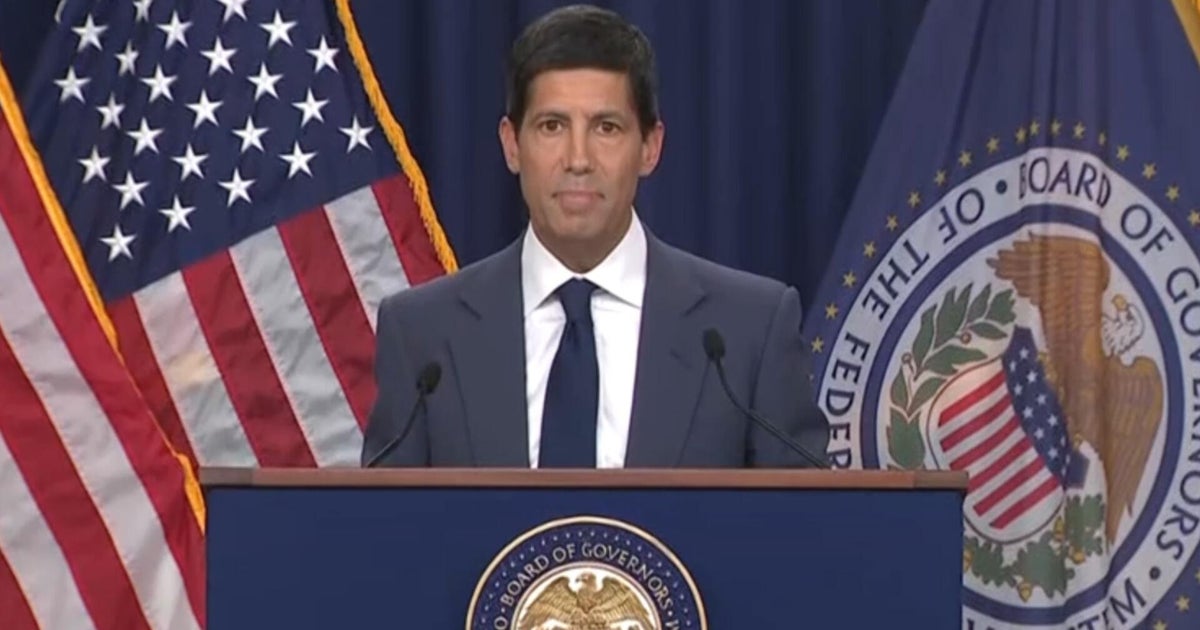
The Federal Reserve held interest rates at 3.75%-4.00% and announced it will reduce rate-setting meetings from eight to seven annually starting in 2027. The decision came despite persistent inflation, signaling the Fed believes rate cuts have run their course and the terminal rate may hold longer than previously expected.
Key points
Market impact. Fewer scheduled meetings in 2027 suggests the Fed expects rates to stabilize, reducing policy uncertainty for fixed-income markets and potentially supporting longer-duration bond valuations. However, the hold despite high inflation reinforces that the Fed is data-dependent and may pause cuts if price pressures resurface, capping near-term rally expectations.
Broader implications. The Fed's structural shift to seven meetings annually represents a normalization after years of elevated policy volatility. Persistent inflation alongside rate holds suggests the central bank believes the economy can absorb higher-for-longer rates without recession, a bullish signal for equity risk premiums but a headwind for rate-sensitive sectors.
Sources (3)CBS News, New York Times Economy, YouTube - Yahoo Finance
The Federal Trade Commission and 20 state attorneys general filed suit against Dollar General, alleging a "long-running pattern of inaccurate pricing" that systematically overcharged millions of customers. The lawsuit cites a 2025 Guardian investigation and claims the company had "extensive corporate knowledge" of the pricing defects.
Key points
Market impact. The multi-state FTC action creates significant litigation risk for Dollar General, potentially resulting in substantial damages, injunctions, and reputational harm. The suit also signals heightened FTC scrutiny of retail pricing practices, raising compliance costs across the discount retail sector and potentially triggering similar investigations at competitors.
Broader implications. The lawsuit reflects growing consumer skepticism of retail pricing fairness and the FTC's aggressive stance on deceptive practices under current leadership. Dollar General's positioning as a value retailer makes pricing transparency particularly material to its brand; systematic overcharges undermine that positioning and may accelerate customer defection to competitors perceived as more trustworthy.
Sources (3)New York Times Business, The Guardian US News, New York Post Business
Bullish +263 sourceswendy's · nelson peltz · trian · buyout
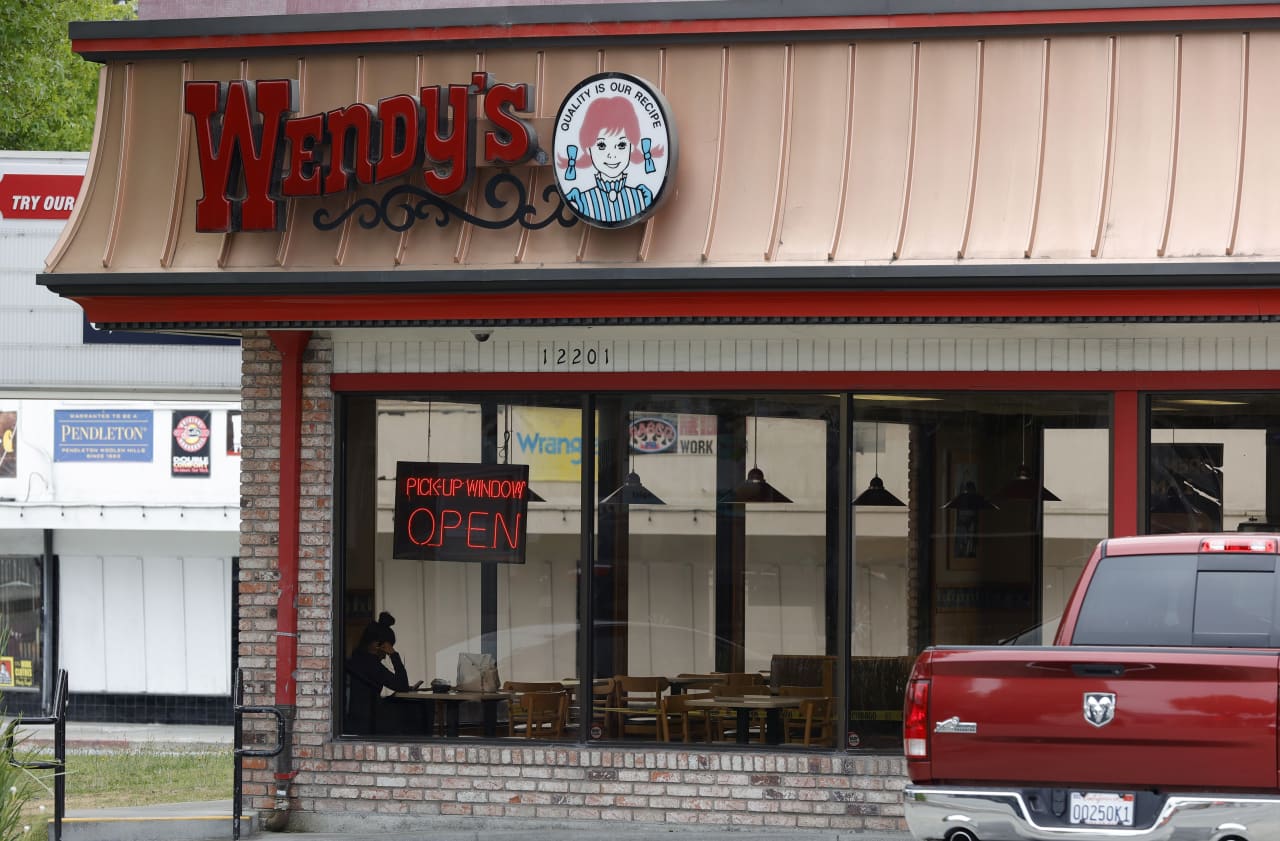
Nelson Peltz's Trian Fund Management offered $1.4 billion to take Wendy's private, representing a roughly 20% premium to the burger chain's closing price. Trian's offer explicitly states the company "requires significant operational transformation," signaling activist intent to restructure the struggling fast-food operator.
Key points
Market impact. Wendy's shares jumped 15% on the offer, pricing in the acquisition premium and reflecting investor appetite for activist-driven turnarounds in the beaten-down quick-service restaurant sector. The bid values the company at roughly $1.6 billion enterprise value, a modest multiple that suggests limited margin of safety if operational improvements fail to materialize.
Broader implications. Trian's bid underscores activist investor confidence that QSR chains can be restructured through cost discipline and menu innovation, despite secular headwinds from consumer spending pullback. A successful Wendy's turnaround would validate the activist playbook for legacy restaurant operators, potentially triggering similar bids across the sector.
Sources (3)Market Watch, CNBC Top Stories, ABC News
Bearish −363 sourcesiran war · pentagon · military · cost
The U.S. military has spent $47.1 billion prosecuting the war in Iran as of mid-October, according to Pentagon data—more than 25% higher than Defense Department estimates from July. The accelerated cost trajectory reflects sustained operational intensity and supply chain pressures in the Middle East theater.
Key points
Market impact. Escalating military spending creates fiscal pressure on the federal budget and may constrain discretionary spending elsewhere, supporting demand for defense contractors but raising questions about fiscal sustainability. The cost overrun also signals geopolitical risk is intensifying, supporting energy prices and defensive equity positioning.
Broader implications. The 25% cost overrun in just three months suggests Pentagon planning assumptions are deteriorating, indicating either conflict escalation or operational inefficiency. Sustained high military spending in the Middle East reduces policy flexibility for domestic priorities and raises the risk of further budget clashes in Congress, particularly if conflict dynamics worsen.
Sources (3)Defense News, CBS News, CNBC Top Stories
Strong bullish +743 sourcesjio · ipo · india · reliance
Jio Platforms, backed by Meta and Google, surged 21% on its trading debut after raising 302 billion rupees ($3.2 billion) in India's second-largest IPO. The telecom and digital services subsidiary of Reliance Industries priced 270 million shares at 1,119 rupees apiece and debuted as India's second-most valuable listed company.
Key points
Market impact. Jio's strong debut validates investor appetite for Indian tech and telecom exposure, particularly in digital services and connectivity. The IPO's success may trigger follow-on offerings from other Reliance subsidiaries and encourage foreign capital flows into Indian tech, supporting the rupee and broadening the country's equity market depth.
Broader implications. Jio's IPO reflects India's emergence as a critical market for global tech giants and signals confidence in the country's digital infrastructure growth trajectory. The strong debut may accelerate Reliance's strategy to unlock value across its conglomerate structure and positions India as a viable alternative to China for tech-focused emerging market exposure.
Sources (3)New York Times Business, TechCrunch, CNBC Top Stories