Elon Musk announced that SpaceX and Tesla have formed special committees to explore a merger, citing "a lot of merit" to combining the two companies. Tesla beat earnings expectations on the same day, while SpaceX reported a stunning 161% revenue surge to $14.6 billion in Q3, with shares jumping 10% on the announcement.
Key points
Market impact. Tesla stock rose on earnings and merger speculation, while SpaceX shares surged in after-hours trading. However, the deal would require approval from 50% of Tesla shareholders and faces significant structural challenges—Wall Street analysts warn the combined entity would be difficult to value and could create governance complications given Musk's control of both firms.
Broader implications. A merger would consolidate Musk's control over AI (via Grok), space infrastructure, automotive, and energy assets under one corporate umbrella. The deal hinges on regulatory approval and shareholder consent, with Musk barred from voting on the transaction due to conflict-of-interest rules.
Sources (4)NPR Business, The Guardian World News, New York Post Business
Bearish −283 sourcesoil · middle east · iran · geopolitical
U.S. crude jumped above $107 per barrel and Brent crude hit five-month highs as reports emerged of planned U.S. and Israeli strikes against Iran. The Middle East conflict threatens to reignite after Russia bombarded Kyiv with missiles hours after agreeing to resume peace talks with Ukraine, signaling escalating geopolitical risk across multiple theaters.
Key points
Market impact. Energy stocks and oil futures rallied on supply-disruption concerns, while broader equities retreated as investors priced in a geopolitical risk premium. World shares and U.S. futures declined following the oil price spike, with traders hedging against potential supply shocks from Iran-linked infrastructure.
Broader implications. Escalating tensions in the Middle East and Ukraine create dual supply-chain risks for energy markets and global trade. Any disruption to Iranian oil exports or Strait of Hormuz shipping could push crude toward $110-plus, pressuring inflation and central bank policy globally.
Strong bearish −633 sourcesbarclays · ai · jobs · workforce
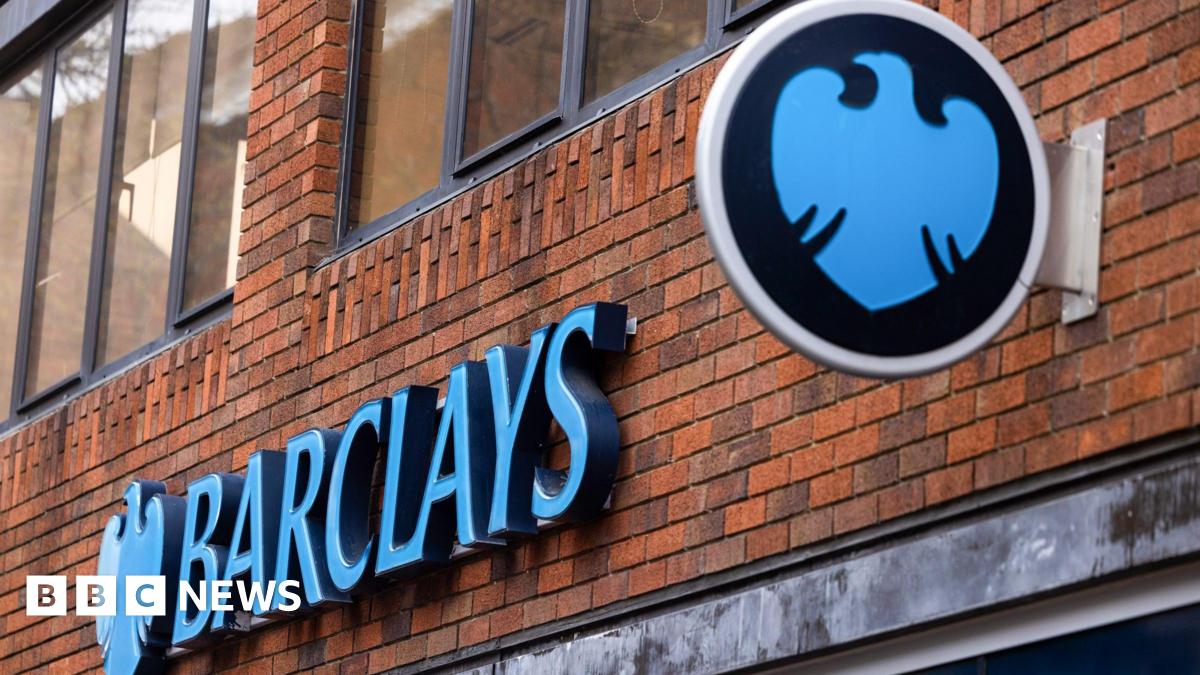
Barclays announced a 5% workforce reduction (5,000 employees) driven by increased reliance on artificial intelligence for back-office and operational tasks. The move signals a broader trend across financial services as banks deploy AI to automate roles in compliance, risk, and administrative functions.
Key points
Market impact. Barclays shares may face near-term pressure from restructuring costs, but the move aligns with investor expectations for margin expansion via automation. Other major banks—JPMorgan, Goldman Sachs, Morgan Stanley—are likely to follow similar playbooks, creating sector-wide labor displacement.
Broader implications. Barclays' decision validates the AI-as-labor-replacement narrative despite Nvidia CEO Jensen Huang's recent claim that the AI jobs narrative is "precisely wrong." The divergence between tech executives' rhetoric and actual corporate behavior suggests significant white-collar job losses ahead, particularly in knowledge-work sectors.
Sources (3)BBC Business, Market Watch, Business Insider
Bullish +223 sourcesjensen huang · nvidia · ai · data centers
Nvidia CEO Jensen Huang unveiled the DSX Pod, a modular plug-in data center designed to accelerate AI deployment across Europe, while telling CNBC that demand from "neocloud" firms is "off the charts" but capital remains constrained. Huang declared that "every company in Europe will become an AI company" at Nvidia's GTC conference in Berlin.
Key points
Market impact. Nvidia's infrastructure play targets the bottleneck constraining AI adoption: data center capacity and deployment speed. The DSX Pod could unlock new revenue streams for Nvidia beyond chips, while signaling confidence in sustained demand from enterprise and cloud customers despite macro uncertainty.
Broader implications. Huang's capital-scarcity warning contradicts the euphoria around AI spending, suggesting that while demand exists, financing constraints may slow deployment. Europe's fragmented data center landscape presents both opportunity and execution risk for Nvidia's infrastructure strategy.
Airbnb updated its terms effective November 20 to prohibit hosts from requiring guests to strip beds, wash dishes, or perform other cleaning tasks. The policy shift sparked immediate backlash from hosts, with some threatening to leave the platform or circumvent the rules through alternative arrangements.
Key points
Market impact. The policy could pressure Airbnb's unit economics if hosts reduce listings or shift to competing platforms like Vrbo. However, the move may improve guest satisfaction and reduce churn, offsetting near-term host defections. Airbnb's ability to enforce the rule will determine whether it becomes a competitive moat or a revenue drag.
Broader implications. The clash reflects Airbnb's evolution from peer-to-peer marketplace to regulated hospitality platform, requiring consumer protections that erode host margins. Expect similar regulatory pressure on gig-economy platforms as labor and consumer advocates push for stricter worker and guest safeguards.
Saudi Arabia postponed its Future Investment Initiative conference and ordered workers at the iconic Kingdom Centre in Riyadh to work remotely as Iran-backed Houthi rebels intensified missile and drone attacks. U.S. diplomats were reportedly told to leave Saudi Arabia, with similar withdrawals reported from UAE, Jordan, Qatar, and Bahrain.
Key points
Market impact. The escalation threatens Saudi Arabia's Vision 2030 diversification agenda and signals rising geopolitical risk premiums across Gulf equities and sovereign debt. Foreign direct investment into the region faces headwinds as security concerns deter institutional capital, particularly from Western investors.
Broader implications. The Houthi campaign demonstrates Iran's ability to disrupt regional stability and Saudi economic initiatives without direct military escalation. Escalating attacks risk drawing the U.S. and Israel into a broader regional conflict, with cascading effects on oil markets, defense spending, and Middle East geopolitics.
Sources (3)The Guardian World News, CBS News, New York Times Business
Netflix reported quarterly earnings following a dramatic management reshuffle in its content division and recent layoffs, with shares declining on the results. Investors scrutinized the company's ad-supported business growth, engagement metrics, and strategic direction amid leadership uncertainty.
Key points
Market impact. The stock decline reflects investor concern over execution risk during the leadership transition and questions about Netflix's ability to sustain subscriber growth and margin expansion. The ad-supported tier's performance will be critical to justifying the current valuation amid slowing content spending.
Broader implications. Netflix's internal turmoil signals broader challenges in streaming economics: rising content costs, subscriber saturation, and margin pressure. Competitors face similar headwinds, suggesting consolidation or strategic pivots toward advertising and lower-cost content strategies across the sector.
Sources (3)NPR Business, Business Insider, CNBC Business
Neutral +83 sourcesbritain · north sea · drilling · energy
The UK government approved the Jackdaw gas field drilling project off Scotland's coast, expected to add $3.8 billion to the economy and reduce dependence on imported energy. Prime Minister Andy Burnham framed the decision as "pragmatic," though environmental advocates criticized it as undermining climate commitments.
Key points
Market impact. The approval supports UK energy security and domestic oil majors' North Sea operations, benefiting companies like Shell and BP. However, it signals political willingness to prioritize energy independence over net-zero targets, potentially influencing other nations' energy policies and delaying the energy transition.
Broader implications. The decision reflects geopolitical pressure—reportedly influenced by Trump administration priorities—and demonstrates how energy security concerns are overriding climate commitments in developed economies. Expect similar reversals in Europe and other regions as energy prices and supply risks remain elevated.
Sources (3)BBC Business, New York Post Business, New York Times Business
Earnings season revealed that half of S&P 500 profit growth now derives from AI-related capital spending, while investors increasingly question whether the billions deployed into data centers will generate adequate returns. SpaceX flagged that its capex could double this quarter as AI spending accelerates, exemplifying the scale of infrastructure investment underway.
Sources (3)CNBC Top Stories, Business Insider, YouTube - Yahoo Finance