Microsoft reported $92.3 billion in quarterly revenue and $36.6 billion in profit, beating Wall Street expectations, while simultaneously offering voluntary buyouts to 60,000 employees—roughly one-quarter of its workforce. Azure cloud computing revenue surged 48%, driven by AI workload demand, yet the company is restructuring aggressively to optimize costs and shift headcount toward high-margin AI initiatives.
Key points
Market impact. The earnings beat and Azure acceleration reinforce Microsoft's dominance in enterprise cloud and AI infrastructure, supporting its valuation premium. However, the scale of buyouts signals management expects margin pressure ahead and is preemptively rightsizing; CFO expects very few acceptances, suggesting forced layoffs may follow if voluntary uptake disappoints.
Broader implications. Big Tech's profitability is decoupling from headcount growth—a structural shift toward capital-light, AI-driven operations. This pattern, now visible across Microsoft, Google, and others, suggests the industry is consolidating competitive advantage into fewer, higher-skilled roles while shedding legacy support functions.
Sources (3)BBC Business, The Guardian World News, New York Post Business
Bullish +273 sourcessamsung · memory chips · ai boom
Samsung Electronics reported record third-quarter operating profit of $80.5 billion, driven by surging demand for high-bandwidth memory and AI accelerator chips. The Korean semiconductor giant's earnings now rival or exceed those of Microsoft and Alphabet combined, marking a historic inflection in the chip cycle.
Key points
Market impact. Samsung's stock initially fell despite record profit, signaling investor concern over memory chip pricing sustainability and competitive pressure from TSMC and other foundries. The earnings validate the AI capex supercycle thesis but raise questions about whether current valuations in semiconductor stocks reflect peak demand or durable structural growth.
Broader implications. Samsung's dominance in memory chips positions it as a critical chokepoint in the AI infrastructure stack. Supply constraints in HBM and GDDR6X remain a bottleneck for data center buildouts, giving Samsung pricing power but also making it a target for geopolitical scrutiny and customer diversification efforts.
Sources (3)Market Watch, CNBC Top Stories, ABC News
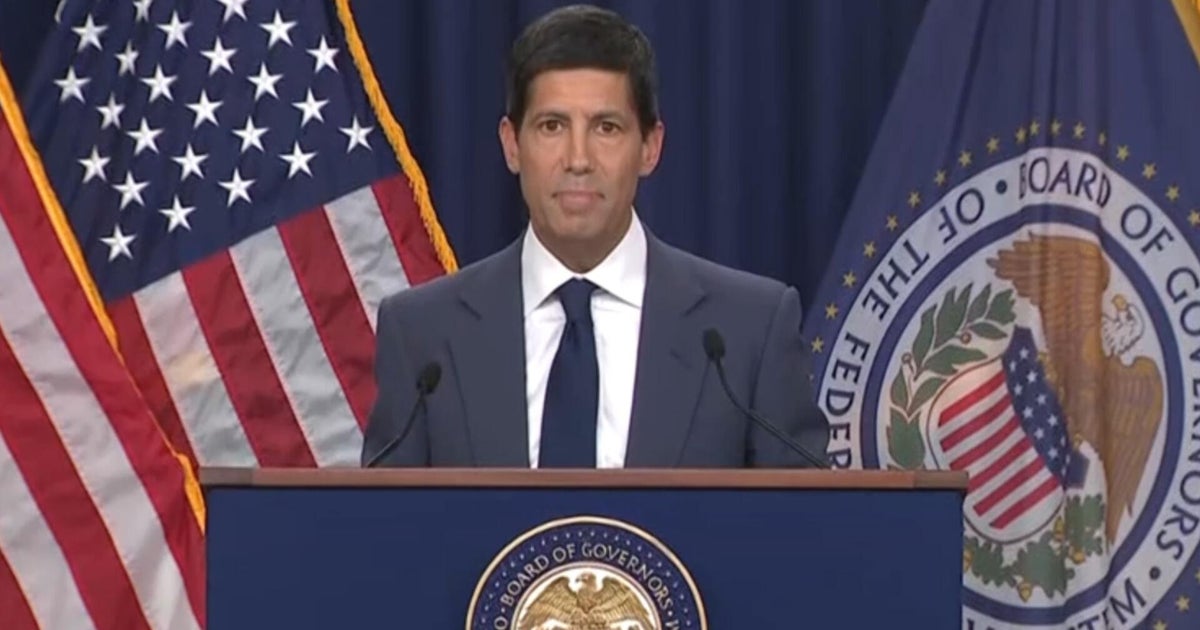
The Federal Reserve held interest rates steady this week and announced it will reduce the number of rate-setting meetings from eight to seven in 2027. Fed Chair Kevin Warsh characterized the current period as "information-rich," signaling the central bank is pausing its hiking cycle despite persistent inflation that has failed to decline as expected.
Key points
Market impact. The hold and reduced meeting cadence suggest the Fed is pivoting toward a longer pause, supporting equity valuations and reducing refinancing pressure on corporates. However, the lack of progress on inflation keeps long-term rate expectations elevated, capping gains in duration-sensitive assets like bonds and growth stocks.
Broader implications. The Fed's shift reflects uncertainty about whether inflation is truly cooling or merely sticky at elevated levels. A prolonged hold risks allowing inflation expectations to become unanchored if geopolitical shocks (Iran war, Middle East tensions) drive energy prices higher, forcing the Fed to resume tightening in 2027.
Sources (3)CBS News, New York Times Business, New York Times Economy
Christine Lagarde announced her departure as European Central Bank president in February 2027, months before the end of her eight-year term. The move sets in motion a selection process among EU member states to identify her successor, with the appointment carrying significant implications for eurozone monetary policy direction.
Key points
Market impact. Lagarde's exit creates uncertainty around the ECB's future stance on rates and quantitative easing. Markets will scrutinize successor candidates for dovish or hawkish leanings; a more hawkish replacement could support the euro and lift eurozone bond yields, while a dovish choice would ease financial conditions across the bloc.
Broader implications. Lagarde's departure during a period of geopolitical tension (Iran war, Ukraine conflict) and economic fragility (UK growth forecast cuts, energy crisis) leaves the ECB in transition at a critical moment. The succession battle will likely pit northern European hawks against southern European doves, reflecting deeper EU fractures.
Sources (3)CNBC Economy, New York Times Business, Cointelegraph
Eli Lilly reported earnings that beat Wall Street expectations and raised its full-year sales guidance, driven by continued strong demand for obesity drug Zepbound and diabetes treatment Mounjaro. The company's GLP-1 franchise is sustaining momentum despite competitive pressure from Novo Nordisk and others entering the market.
Key points
Market impact. Eli Lilly's outperformance validates the durability of the GLP-1 market and supports the company's premium valuation. The raise signals confidence in addressable market expansion and pricing power, benefiting Eli Lilly stock and the broader pharma sector, particularly companies with obesity and diabetes pipelines.
Broader implications. GLP-1 drugs are reshaping healthcare economics and consumer behavior, with implications for food companies, fitness, and insurance. Eli Lilly's success underscores the shift toward preventive, chronic-care therapeutics as a growth engine for pharma, potentially reducing acute-care demand and pressuring hospital operators.
Bearish −193 sourcesiran war · pentagon · military spending
The U.S. military has spent over $47.1 billion prosecuting the war in Iran as of mid-October, according to Pentagon estimates—more than 25% higher than projections made in July. The cost overrun reflects sustained combat operations, supply chain pressures, and the complexity of maintaining regional military presence across multiple theaters.
Key points
Market impact. Escalating defense spending supports aerospace and defense contractors (Lockheed Martin, Raytheon, General Dynamics) but pressures federal budget dynamics and raises questions about fiscal sustainability. Energy markets remain sensitive to Middle East escalation; further conflict could spike oil prices and inflation, complicating Fed policy.
Broader implications. The cost overrun signals the conflict is entrenched and expanding, contradicting earlier administration expectations of swift resolution. Trump's recent statement that the war will end "when I want it to" suggests prolonged commitment, with implications for defense budgets, geopolitical stability, and energy security through 2027.
Activist investor Nelson Peltz's Trian Fund Management made a $1.4 billion offer to acquire Wendy's, representing roughly a 20% premium to the burger chain's closing price. Trian argues Wendy's "requires significant operational improvements" and is better served as a private company, signaling deep operational issues at the struggling fast-food chain.
Key points
Market impact. Wendy's shares jumped 15% on the offer, reflecting relief that a buyer exists and validation of Trian's thesis. The bid sets a floor for valuation but faces uncertainty around financing and board acceptance; if the deal fails, shares could collapse as the market reprices for standalone operations and continued same-store sales weakness.
Broader implications. Wendy's struggles reflect structural headwinds in quick-service restaurants—consumer pullback on discretionary spending, labor cost inflation, and menu pricing resistance. Trian's intervention signals activist confidence in operational turnarounds but also highlights the difficulty of competing in a saturated, low-margin sector.
Sources (3)Market Watch, CNBC Top Stories, ABC News
Bearish −183 sourcesuk budget · healey · energy bills · bank tax
UK Chancellor John Healey unveiled his first budget, offering £100 payments to 20 million households to offset energy bills and imposing a windfall tax on banks. The package aims to provide "breathing space" during global economic turmoil but falls short of bold structural reforms, with the Office for Budget Responsibility downgrading 2027 growth forecasts.
Key points
Market impact. The bank tax pressures UK financial stocks (HSBC, Barclays, Lloyds) but is modest relative to sector profitability. Energy bill relief supports consumer spending but is temporary and insufficient to offset inflation; gilt yields remain elevated as markets price in persistent fiscal challenges and weak growth, weighing on sterling.
Broader implications. The budget reflects the UK's constrained fiscal position and vulnerability to geopolitical shocks (Iran war, Middle East conflict driving energy prices). Healey's incremental approach suggests limited room for stimulus, leaving the Bank of England as the primary policy tool—a dynamic that could pressure sterling and UK asset valuations if growth disappoints further.
Sources (3)BBC Business, The Guardian World News, CNBC Economy