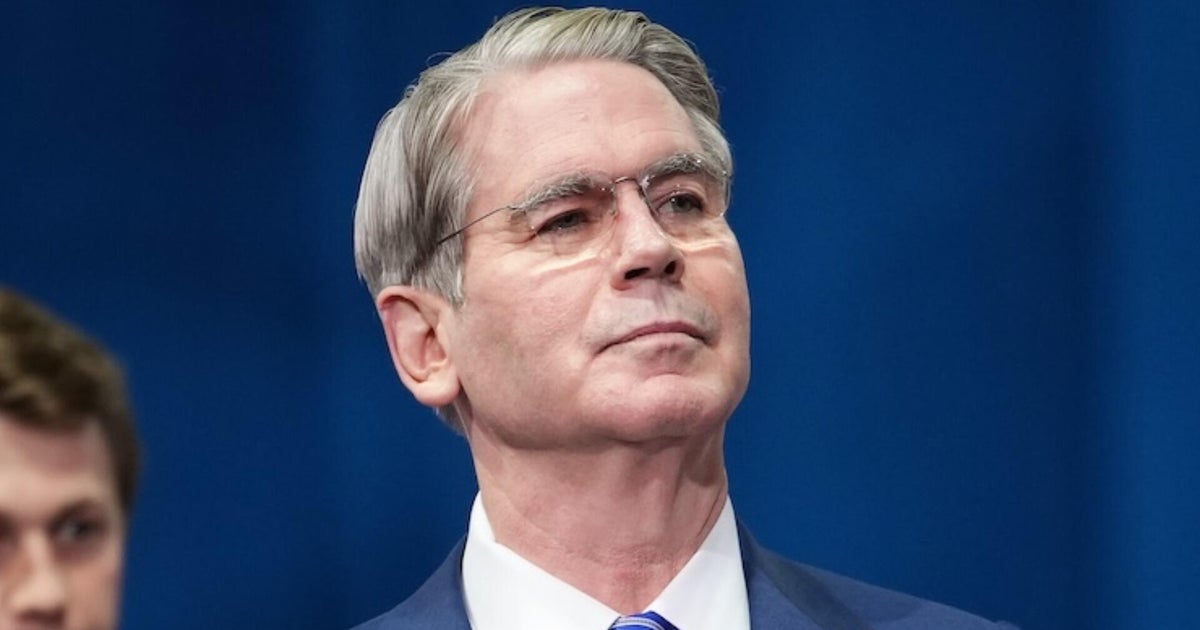
Nvidia's board met Wednesday evening to determine whether to remove founder and CEO Jensen Huang after he admitted to an affair with a woman U.S. intelligence officials believe is a Chinese spy. The board could vote to oust Huang, who has led the company for 33 years and built it into the world's most valuable chipmaker.
Key points
Market impact. Nvidia shares dropped sharply on the news, wiping hundreds of billions in market value from the company. The stock decline dragged the broader Nasdaq lower as investors fled semiconductor and AI-related holdings. CoreWeave's strong earnings and Anthropic IPO pricing later Wednesday provided some recovery, but Nvidia's crisis remains the dominant market driver.
Broader implications. The scandal intersects national security, corporate governance, and geopolitical tension with China. House Republicans have called Huang to testify in a closed-door hearing, and Trump said the FBI is investigating. A leadership transition at Nvidia—the linchpin of the global AI infrastructure build—would reshape the entire semiconductor and AI investment thesis.
Sources (4)CNBC Top Stories, TechCrunch, YouTube - Yahoo Finance +1
October's consumer price index came in hotter than expected, prompting Federal Reserve officials including Chicago Fed President Goolsbee to call the data "borderline disturbing." Goldman Sachs revised its rate forecast upward, now penciling in additional Fed tightening beyond current expectations as underlying inflation pressures persist.
Key points
Market impact. The inflation surprise triggered a broad selloff in equities and a rally in the dollar. The yen slumped to a one-month low as Fed rate hike bets intensified. Fixed-income markets repriced higher terminal rates, pressuring growth stocks and extending losses in tech and AI-related equities already battered by the Nvidia crisis.
Broader implications. The Fed faces a policy dilemma: inflation remains sticky despite months of rate hikes, forcing the central bank to choose between accelerating tightening or accepting higher-for-longer rates. This directly contradicts market expectations of a pivot to cuts and threatens the bull case for equities heading into 2025.
Sources (4)CNBC Finance, New York Times Business, Market Watch +1
Anthropic priced its IPO at $70 to $78 per share, implying a $1.404 trillion market capitalization—a significant markdown from earlier reports of a $2 trillion target. All seven co-founders plan to sell roughly $250 million in shares each, signaling confidence in the pricing despite the valuation compression.
Key points
Market impact. The IPO pricing and strong earnings from CoreWeave helped stabilize tech stocks Wednesday after the Nvidia shock, providing a counterweight to inflation fears. Anthropic's public debut will test investor appetite for AI companies trading at extreme valuations with unproven paths to profitability.
Broader implications. Anthropic's valuation reset reflects growing skepticism about AI startup economics and the sustainability of the current AI buildout. The IPO becomes a referendum on whether the AI boom can justify trillion-dollar valuations or if the market is entering a correction phase.
Sources (4)Business Insider, TechCrunch, New York Post Business
Heating oil prices have surged as much as 70% this winter due to supply disruptions stemming from the Iran conflict. Nearly 5 million U.S. households relying on heating oil face average bill increases of 7% nationwide, with some regions experiencing far steeper jumps. The crisis is most acute in New York and nearby states.
Key points
Market impact. Energy prices remain elevated, supporting crude and refined product futures. The spike adds to consumer cost pressures already evident in credit card debt hitting a record $1.29 trillion, further constraining household discretionary spending and weighing on consumer-dependent equities.
Broader implications. Geopolitical risk in the Middle East is directly translating into household financial stress, particularly for lower-income and rural populations. This compounds inflation concerns and could pressure the Fed to reconsider rate hikes if energy shocks threaten broader economic stability.
Sources (3)New York Post Business, The Guardian US News, New York Times Business
Bullish +224 sourcescoreweave · earnings · ai slowdown
CoreWeave reported third-quarter earnings that beat expectations and raised full-year guidance, signaling sustained demand for AI infrastructure despite recent skepticism. The neocloud provider announced $9 billion in planned prepayments, demonstrating customer confidence in its debt-fueled expansion model and easing concerns about the sustainability of the AI buildout.
Key points
Market impact. CoreWeave shares surged 11% on the results, triggering a broad rally in AI and semiconductor stocks. The Nasdaq gained more than 1%, with Micron and other chip names rebounding sharply. CoreWeave's performance provided critical relief to a market reeling from Nvidia's crisis and inflation data, restoring some confidence in the AI trade.
Broader implications. CoreWeave's beat suggests the AI infrastructure cycle remains intact despite valuation concerns and debt scrutiny. However, the company's reliance on prepayments and aggressive leverage raises questions about whether current AI economics can sustain the buildout long-term without continued capital injections.
Sources (4)New York Post Business, CNBC Top Stories, Market Watch
Treasury Secretary Scott Bessent has relocated from his Washington, D.C. home to military housing following alleged Iranian threats. Bessent joins other Trump administration officials now living on military bases due to security concerns stemming from escalating U.S.-Iran tensions.
Key points
Market impact. The threat escalation underscores geopolitical risk premiums already embedded in oil and energy markets. It reinforces the connection between Middle East instability and domestic energy costs, supporting elevated crude prices and heating oil futures.
Broader implications. The security situation signals deepening U.S.-Iran hostilities and suggests the Trump administration views the threat level as material enough to warrant protective measures for senior officials. This raises the risk of further escalation and additional supply disruptions in global energy markets.
Neutral 03 sourcesrussian ambassador · darchiev · death
Alexander Darchiev, Russia's ambassador to the United States, died suddenly Wednesday at age 66 after approximately 20 months in the role. Putin had appointed Darchiev to lead diplomatic rapprochement efforts with Washington, making his death a significant development in U.S.-Russia relations.
Key points
Market impact. The death has limited immediate market impact but adds to geopolitical uncertainty. Energy and defense-related equities may see minor repricing as investors assess implications for U.S.-Russia diplomatic channels and sanctions policy.
Broader implications. Darchiev's death removes a key diplomatic figure at a critical moment in U.S.-Russia relations. His loss complicates any potential negotiations and may signal further deterioration in bilateral ties, with implications for sanctions, energy markets, and geopolitical stability.
Sources (3)Fox News World, The Daily Caller, Daily Wire
U.S. credit card debt has climbed to an all-time high of $1.29 trillion, according to New York Fed research. Consumers are increasingly turning to credit cards to bridge the gap between high prices and stagnant wages, with many also struggling to service student loans simultaneously.
Key points
Market impact. Record consumer debt levels constrain discretionary spending and raise default risk, pressuring consumer-dependent equities and credit markets. The trend suggests consumer resilience is deteriorating despite headline employment strength, threatening the economic foundation for equity valuations.
Broader implications. Household balance sheets are weakening under the weight of inflation and higher rates, signaling potential recession risk if the Fed maintains restrictive policy. The debt surge contradicts narratives of a soft landing and raises questions about the sustainability of current consumption levels.
Sources (3)The Daily Caller, CNBC Top Stories, Business Insider
Neutral −123 sourcesdata center · permitting · opposition
The AI data center buildout is running into serious headwinds from widespread local opposition, permitting delays, and environmental concerns. Google faces organized resistance from bikers and environmental groups in Europe, while U.S. communities are increasingly blocking or slowing projects due to energy consumption and grid strain fears.
Key points
Market impact. Delays in data center construction could constrain the supply of AI infrastructure, supporting valuations for existing players like CoreWeave but raising costs for new entrants. Energy-intensive data centers also disproportionately burden lower-income households through higher electricity costs, creating political pressure for regulation.