Bearish −365 sourcesnvidia · jensen huang · ceo resignation
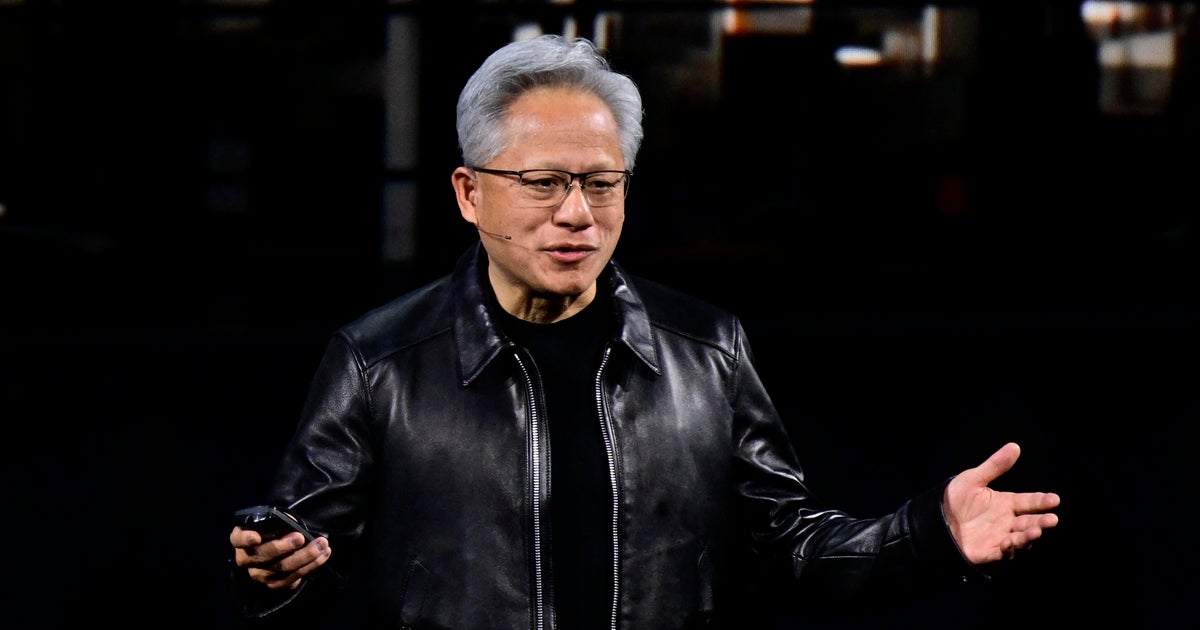
Nvidia CEO Jensen Huang resigned effective immediately after the company's board launched an investigation into his alleged romantic affair with Alice Huang, a woman U.S. intelligence has identified as a Chinese asset. CFO Colette Kress has assumed the interim CEO role as the board conducts a broader leadership search. The resignation marks the first major leadership transition at the chipmaker since its 1993 founding.
Key points
Market impact. Nvidia stock has declined sharply on the news, reflecting investor concern over leadership continuity at the world's most valuable chipmaker and the geopolitical implications of the alleged Chinese intelligence connection. The transition creates near-term uncertainty for a company that has been central to the AI rally and carries $3+ trillion in market capitalization. Kress, a seasoned finance executive, brings stability but lacks operational CEO experience in a hypercompetitive semiconductor market.
Broader implications. The scandal intersects national security, corporate governance, and U.S.-China tech competition. Federal prosecutors are investigating whether Alice Huang was involved in alleged chip smuggling schemes, raising questions about Nvidia's export controls and board oversight. The incident will likely intensify Congressional scrutiny of semiconductor leadership and foreign influence in critical tech infrastructure.
Existing home sales fell 8.8% year-over-year in October to 3.75 million units, marking the lowest monthly volume since 2008 and the worst housing market conditions since the Great Recession. Mortgage rates hovered near 7%, pushing monthly payments to record highs despite home prices reaching all-time peaks, creating a severe affordability crisis that has priced out millions of potential buyers.
Key points
Market impact. The housing collapse ripples through residential construction stocks, mortgage lenders, and consumer discretionary spending tied to home purchases and furnishings. Rising mortgage rates reflect expectations for higher Fed rates, pressuring bond yields and equities sensitive to interest rate policy. Real estate investment trusts and homebuilders face margin compression as inventory sits and buyer demand evaporates.
Broader implications. The housing downturn signals weakening consumer purchasing power and potential drag on GDP growth. Elevated rates and affordability stress could force the Federal Reserve to reconsider its rate-hiking trajectory, though inflation data remains a complicating factor. This represents a critical pressure point for the 2025 economic outlook and household wealth erosion.
Sources (5)NPR Business, The Washington Post, The Guardian Business +2
Strong bearish −603 sourcesmicrosoft · outlook · outage
Microsoft's Outlook email service and Teams collaboration platform experienced a widespread outage across the Americas, with over 140,000 user reports of disruptions. The company attributed the incident to unexpected server unavailability that strained remaining infrastructure, forcing users to find workarounds for critical business communications and meetings.
Key points
Market impact. While brief outages typically have limited stock impact, repeated infrastructure failures at Microsoft—which commands enterprise cloud dominance—erode confidence in Azure's reliability and competitive positioning against Amazon Web Services and Google Cloud. Enterprise customers may accelerate multi-cloud strategies to reduce single-vendor dependency, pressuring Microsoft's cloud margins.
Broader implications. The outage underscores the systemic risk of concentrated cloud infrastructure and raises questions about Microsoft's operational resilience as it scales AI workloads. Regulatory bodies may scrutinize whether dominant cloud providers have adequate redundancy and disaster recovery protocols.
Sources (3)New York Times Business, New York Post Business, Wired
The 10-year Treasury yield has climbed back above 5% following a hotter-than-expected inflation report and comments from Federal Reserve officials signaling openness to additional rate hikes. Bond yields posted their largest single surge since 2022, reflecting a sharp repricing of rate expectations as markets abandon earlier assumptions of a prolonged easing cycle.
Key points
Market impact. Rising yields pressure equity valuations, particularly high-growth and unprofitable tech stocks that depend on low discount rates. The move also increases borrowing costs for corporations and consumers, dampening M&A activity and refinancing opportunities. Dividend-paying sectors and bonds become more attractive relative to equities, potentially triggering a rotation out of growth names.
Broader implications. The yield surge reflects persistent inflation concerns and suggests the Fed's rate-cutting cycle may be shorter than previously anticipated. This complicates the 2025 economic outlook, as higher rates for longer could trigger recession risks while simultaneously constraining asset valuations across the board.
Strong bearish −402 sourcesunited airlines · ai agents · cybersecurity
United Airlines has prohibited customers from using AI agents to book flights and manage reservations, citing cybersecurity vulnerabilities and potential violations of federal aviation regulations. The move signals growing corporate caution around autonomous AI systems accessing sensitive customer data and payment information in mission-critical applications.
Key points
Market impact. The ban constrains near-term adoption of AI agents in travel and hospitality, potentially slowing revenue growth for AI automation vendors targeting the sector. However, it may accelerate demand for enterprise AI security solutions and compliance frameworks. Airlines face pressure to balance automation efficiency gains against liability and regulatory exposure.
Broader implications. This reflects a broader pattern of enterprises implementing guardrails on AI deployment, signaling that the AI boom's real-world implementation faces friction from security, compliance, and liability concerns. Regulators may begin codifying AI access restrictions for sensitive financial and travel transactions, creating a new compliance layer for AI developers.
Bullish +233 sourcesrussia ukraine · peace talks · abu dhabi
Trilateral peace negotiations between Russia, Ukraine, and the United States commenced in Abu Dhabi, marking the first substantive talks since February. Ukrainian President Zelenskyy characterized the initial session as constructive, while U.S. officials proposed a long-term security architecture framework. Putin agreed to allow European representatives to participate in subsequent rounds.
Key points
Market impact. Progress toward a ceasefire would ease energy market volatility tied to Russian oil and gas sanctions, potentially lowering crude prices and easing inflation pressures on developed economies. Defense contractors and military suppliers face headwinds if conflict de-escalates, while European equities and bonds could rally on reduced geopolitical risk premiums. Commodity markets, particularly wheat and metals, would stabilize if Ukrainian exports resume.
Broader implications. A negotiated settlement could reshape NATO's Eastern European posture and defense spending priorities, with implications for U.S. military-industrial policy. Energy markets would rebalance away from supply-shock premiums, potentially allowing central banks more flexibility on rate policy. However, talks remain fragile and outcome probability remains low given entrenched positions.
Sources (3)Defense News, CBS News, The Guardian World News
Neutral 01 sourcespacex · data centers · texas arizona
Elon Musk's SpaceX has announced plans for a massive $74 billion investment to build data centers in Texas and Arizona, positioning the rocket company as a major player in AI infrastructure. The expansion reflects SpaceX's pivot toward leveraging its satellite network and computing capabilities to compete in the booming data center market alongside hyperscalers like Microsoft, Google, and Amazon.
Key points
Market impact. The investment signals confidence in sustained AI compute demand and could pressure traditional data center REITs and operators facing competition from vertically integrated tech giants. Semiconductor suppliers benefit from increased demand for GPUs and custom chips. Real estate and utility stocks in Texas and Arizona may see tailwinds from construction and power demand, though environmental concerns could create headwinds.
Broader implications. SpaceX's entry into data centers represents a strategic diversification away from pure aerospace and signals consolidation of AI infrastructure among mega-cap tech and space companies. The move raises questions about whether independent data center operators can compete against integrated players with captive power, satellite connectivity, and capital reserves. Regulatory scrutiny of market concentration in AI infrastructure may intensify.
Elon Musk announced that Tesla will extend Cybertruck production at its Texas Gigafactory through the end of summer 2027, reversing earlier guidance to wind down manufacturing in mid-2027. The extended timeline reflects efforts to clear a substantial backlog of customer reservations and optimize production ramp efficiency for the polarizing electric pickup.
Key points
Market impact. The production extension signals sustained demand for Cybertruck despite mixed consumer reception and production challenges, supporting Tesla's revenue guidance. However, it also indicates manufacturing inefficiencies and potential margin pressure from extended production runs. Investors will scrutinize whether the backlog represents genuine demand or pre-orders vulnerable to cancellation if pricing or delivery timelines shift.
Broader implications. The move underscores Tesla's reliance on Cybertruck as a growth driver amid slowing EV adoption and intensifying competition. Extended production timelines increase capital intensity and opportunity cost relative to developing next-generation platforms. Supply chain and labor constraints in Texas may limit upside potential.