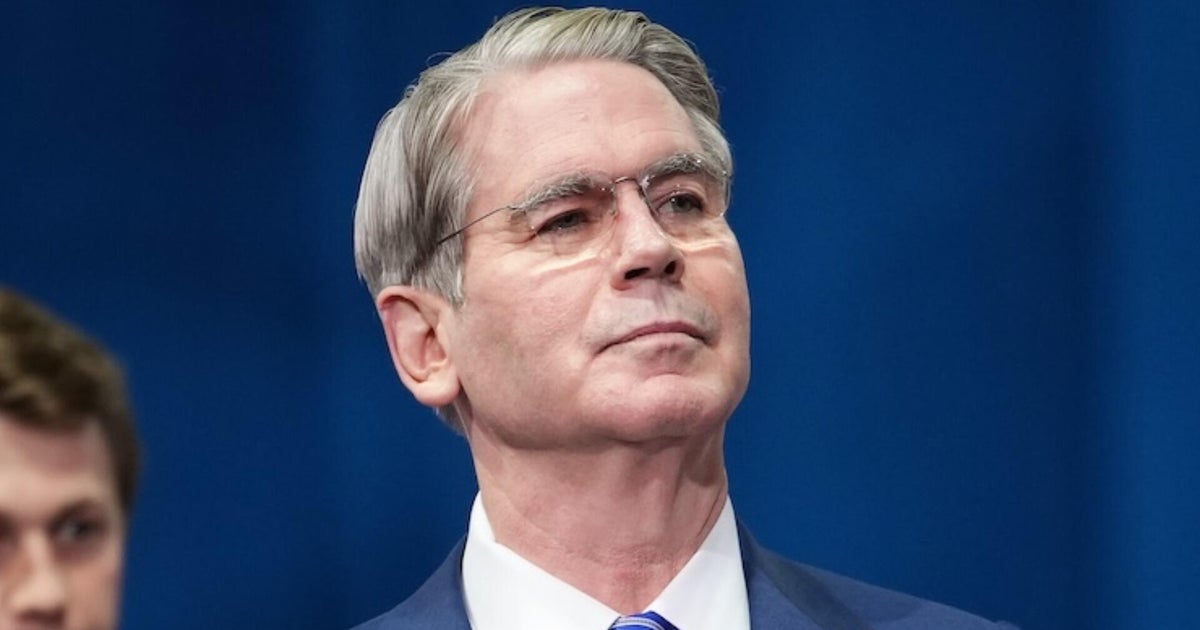
Nvidia CEO and co-founder Jensen Huang resigned after admitting to a romantic relationship with a woman alleged by U.S. intelligence to be a Chinese spy. The board accepted his resignation on Thursday; CFO Colette Kress assumes interim leadership. Congress has called Huang to testify, and Trump said the FBI is investigating the affair.
Key points
Market impact. Nvidia shares crashed 11% in opening trades, erasing roughly $150 billion in market value. The stock has now declined for two consecutive sessions. CoreWeave and other AI infrastructure plays rallied Wednesday as investors rotated away from Nvidia, though the broader Nasdaq gained 1% as the market digested the leadership transition.
Broader implications. The scandal strikes at the heart of U.S. AI leadership during peak geopolitical tension with China. Huang's 33-year tenure made him synonymous with Nvidia's dominance; his departure creates uncertainty about strategic direction and raises questions about security vetting at the nation's most critical semiconductor company. Congressional scrutiny and potential FBI involvement signal this is now a national security matter.
Sources (4)CBS News, New York Post Business, NPR Business +1
Existing home sales fell 5.5% in October to their lowest level since 2010, marking a 16-year trough. Mortgage rates hovering near 7% have priced out buyers even as home prices hit all-time highs, creating a structural affordability crisis. The housing market has languished near rock bottom for over four years.
Key points
Market impact. Weakness in housing data will likely pressure the Federal Reserve's calculus on rate cuts, supporting higher Treasury yields. Homebuilders, real estate services, and mortgage lenders face sustained headwinds. The data reinforces expectations for continued Fed tightening rather than near-term relief.
Broader implications. The collapse mirrors conditions from the 2008 financial crisis, though driven by rate shock rather than credit collapse. Persistent affordability stress threatens consumer wealth, household formation, and construction employment. Policy pressure on the Fed to cut rates will intensify if housing deterioration accelerates.
Sources (3)New York Post Business, Market Watch, WSJ Economy
October's consumer price index came in hotter than expected, prompting Federal Reserve officials including Austan Goolsbee to call the data "borderline disturbing." Goldman Sachs revised its forecast to pencil in additional Fed rate hikes. Two Fed officials suggested the central bank may need to accelerate the pace of increases ahead of December's meeting.
Key points
Market impact. Treasury yields surged toward 5% on the 10-year, with Asian markets repricing rate-hike expectations higher. The yen weakened to a one-month low against the dollar. Equities face renewed pressure as investors abandon soft-landing narratives and brace for a longer, higher rate cycle.
Broader implications. The Fed's gradual tightening approach is being tested by persistent price pressures. A shift toward faster hikes would extend the timeline for relief, deepening stress on housing, consumer credit, and corporate debt servicing. Markets are repricing terminal rate expectations upward, with significant implications for asset valuations across equities and credit.
Sources (3)CNBC Finance, New York Times Business, Market Watch
Strong bullish +663 sourcescoreweave · anthropic · ai infrastructure
CoreWeave's strong earnings report and Anthropic's IPO announcement helped the Nasdaq surge more than 1% on Wednesday, reversing two consecutive losing sessions triggered by the Nvidia CEO scandal. The rally demonstrates investor appetite for AI infrastructure and large language model providers beyond Nvidia's ecosystem.
Key points
Market impact. CoreWeave spiked sharply, revitalizing the AI trade after Nvidia's 11% plunge. Nvidia itself rebounded modestly as investors rotated into alternative AI plays. The moves suggest the market is compartmentalizing Nvidia's governance crisis from the broader AI infrastructure thesis, though leadership uncertainty at the sector's anchor company remains a headwind.
Broader implications. The rebound underscores that AI capex demand remains robust despite Nvidia's turmoil. Diversification of AI infrastructure providers—CoreWeave in compute, Anthropic in models—reduces single-company risk. However, Nvidia's dominance in GPUs means any prolonged leadership vacuum or strategic misstep could still derail the sector's momentum.
Sources (3)New York Post Business, CNBC Top Stories, Market Watch
Honda announced a $3 billion investment in a new Ohio vehicle assembly plant focused on hybrid powertrains, creating 2,390 jobs statewide. The facility will produce the next-generation Acura MDX and two flagship SUVs, with production beginning in 2029. The move reflects Honda's strategic pivot toward hybrids over full electrification.
Key points
Market impact. The investment signals confidence in hybrid demand and domestic manufacturing. Honda's focus on hybrids—rather than pure EV—positions it differently from Tesla and legacy automakers racing toward full electrification. The Ohio plant adds manufacturing capacity in a key U.S. market and reduces supply chain risk.
Broader implications. Honda's hybrid-first strategy reflects market reality: consumer adoption of EVs is slower than OEMs initially projected, and battery costs remain high. The move also signals confidence in U.S. manufacturing incentives and domestic demand. Competitors may follow suit, slowing the EV transition timeline and reshaping capital allocation across the auto sector.
Sources (3)Construction Dive, Motor1, CNBC Business
Average U.S. heating bills will rise 7% this winter, with households relying on heating oil facing increases as high as 70% due to supply disruptions tied to Iran war tensions. Nearly 5 million households dependent on heating oil will be hit hardest, particularly in New York and nearby states. Advocates are calling on Congress to provide emergency relief.
Key points
Market impact. Crude oil and heating oil futures have spiked on geopolitical risk. Energy stocks benefit from higher commodity prices, but consumer discretionary spending faces headwinds as households redirect cash to utilities. The shock disproportionately affects lower-income households with limited ability to absorb cost increases.
Broader implications. Heating cost inflation adds to consumer price pressures and could complicate the Fed's inflation narrative heading into winter. Political pressure for energy relief programs may emerge. The shock highlights vulnerability to Middle East supply disruptions and underscores the energy security case for domestic production and renewable alternatives.
Sources (3)New York Post Business, The Guardian US News, New York Times Business
Treasury Secretary Scott Bessent has moved from his Washington, D.C. home to a military base following alleged Iranian threats. Bessent is one of several Trump administration officials now living on military installations due to security concerns. The relocation reflects elevated threat levels against U.S. government officials.
Key points
Market impact. The move signals heightened geopolitical risk and potential instability in the Trump administration's operational capacity. Treasury Secretary security concerns could complicate financial markets if continuity of leadership is questioned. The broader pattern of threats against officials may influence policy decisions and market sentiment.
Broader implications. The escalation reflects deteriorating U.S.-Iran relations and suggests the administration views the threat level as credible enough to warrant protective measures. This adds another layer of geopolitical tension alongside the Middle East heating oil crisis and broader Iran policy uncertainty. Markets may price in elevated risk premiums if senior officials' safety becomes a recurring concern.
Neutral 04 sourcestesla · cybertruck · production · deposits
Elon Musk announced Tesla will extend Cybertruck production through the end of summer 2027, reversing earlier plans to wind down in mid-2027. Musk also disclosed that Tesla will have to refund a significant portion of Cybertruck deposits because order volume "far exceeds" production capacity. The backlog indicates demand strength but also production constraints.
Key points
Market impact. Extended production timelines support Tesla's revenue guidance but signal manufacturing bottlenecks. Deposit refunds will reduce near-term cash inflows and may signal softer demand conversion than initially expected. The moves suggest Tesla is managing expectations around Cybertruck profitability and production ramp challenges.
Broader implications. Cybertruck's extended production window reflects the complexity of manufacturing a novel vehicle design at scale. The deposit refund announcement is a rare admission of demand-supply mismatch, suggesting Tesla may be recalibrating production targets or facing yield issues. Investors should watch for updates on Cybertruck unit economics and gross margins as production scales.