Jensen Huang stepped down as Nvidia CEO following revelations of a romantic affair with Alice Huang, a Chinese businesswoman accused by U.S. intelligence of being a Chinese asset. CFO Colette Kress, 59, assumes interim leadership after years of clashing with Huang over strategic direction and risk management.
Key points
Market impact. Nvidia stock declined sharply on the announcement as markets absorbed the leadership vacuum at the world's most valuable chipmaker. The transition raises questions about continuity in a company navigating export controls, geopolitical scrutiny, and a $21.5 billion Anthropic IPO that hinges partly on AI chip supply stability.
Broader implications. The scandal exposes vulnerabilities in U.S. semiconductor leadership during peak geopolitical tension over AI chip exports to China. Huang's departure removes a vocal opponent of strict export controls, potentially clearing the way for tighter restrictions on advanced chip sales.
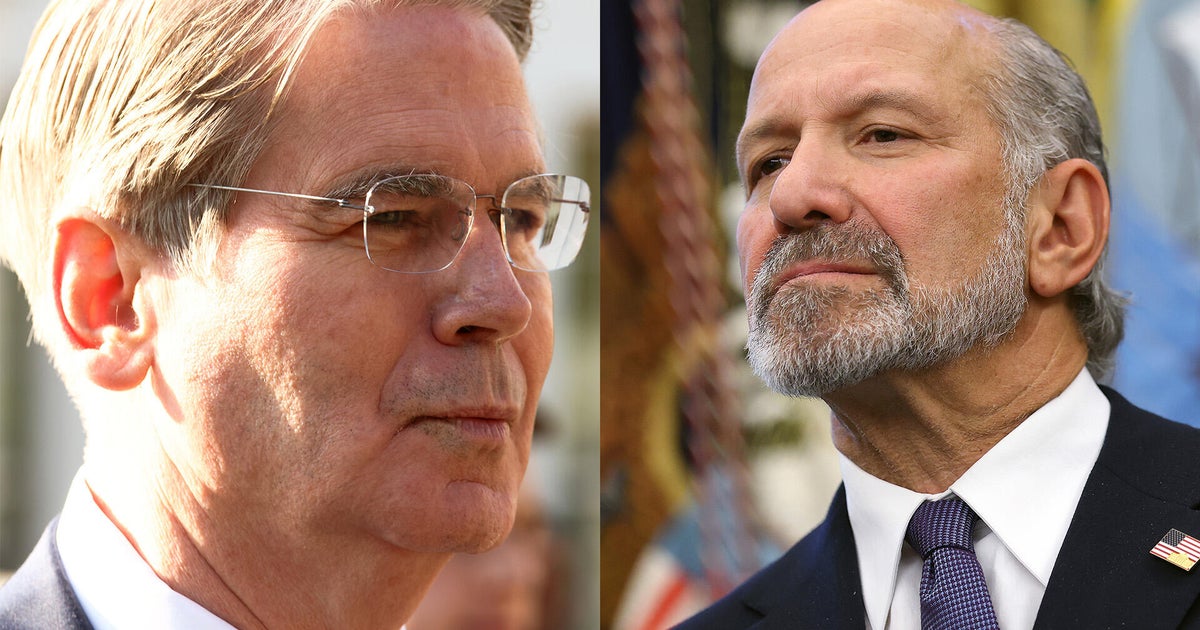
Treasury Secretary Scott Bessent publicly blamed Commerce Secretary Howard Lutnick for not sanctioning Megaspeed, a Singapore firm that diverted advanced Nvidia AI chips in violation of U.S. export controls. An internal Commerce Department investigation into Megaspeed was halted after Nvidia intervention, according to federal records.
Key points
Market impact. The infighting signals potential policy shifts on semiconductor exports and raises compliance risk for chipmakers. Lutnick is scheduled to testify before the Senate Banking Committee on December 10, creating near-term uncertainty around enforcement of AI chip restrictions.
Broader implications. The clash exposes fractures within the Trump administration over how aggressively to restrict advanced chip sales to China-linked entities. China has already warned against new export controls, setting up a potential escalation in tech decoupling.
Sources (3)CBS News, New York Post Business, New York Times Business
Strong bearish −563 sourcesmicrosoft · outage · global disruption
A prolonged Microsoft outage knocked email, messaging, and cloud services offline across the U.S., Europe, and Australia for two days, affecting schools, local governments, and enterprises. The company attributed the failure to a technical error and apologized for the disruption.
Key points
Market impact. Experts estimate the outage could cost Australia alone hundreds of millions to over a billion dollars in lost productivity. The incident underscores systemic risk in cloud infrastructure concentration and may accelerate enterprise diversification away from single-vendor dependencies.
Broader implications. Australian officials flagged the outage as a "stark reminder" of the country's reliance on foreign technology platforms, reigniting debate over digital sovereignty and resilience in critical infrastructure. Regulators may impose stricter redundancy and localization requirements on cloud providers.
Sources (3)The Guardian World News, New York Times Business, The Guardian Business
Anthropic PBC filed for an IPO that will cap a blockbuster year of record-breaking equity transactions in AI and tech. Goldman Sachs is co-leading the offering while simultaneously positioning itself to manage wealth advisory for newly minted Anthropic shareholders.
Key points
Market impact. The deal signals sustained investor appetite for AI infrastructure despite near-term volatility in chip stocks. Bitcoin fell below $69,000 as traders prepared to reallocate capital into the Anthropic offering, indicating portfolio rebalancing pressure across risk assets.
Broader implications. The IPO underscores the concentration of AI wealth creation in a handful of mega-cap platforms and investment banks, raising questions about market concentration and the sustainability of current AI valuations absent near-term revenue inflection.
Sources (3)Market Watch, CNBC Top Stories, finance.yahoo.com
Bond yields posted their largest surge since 2022 as investors repriced expectations for additional Federal Reserve rate hikes in December and beyond. Inflation data came in hotter than forecast, cementing expectations that the Fed will maintain restrictive policy longer than previously anticipated.
Key points
Market impact. Rising yields pressured equities, particularly growth and tech stocks sensitive to discount rates. The two-year yield stabilized but remained elevated, signaling sustained expectations for near-term rate maintenance and constraining refinancing conditions for leveraged borrowers.
Broader implications. Fed Chair Warsh's quieter communication style has increased market volatility as traders struggle to parse policy intent. Persistent inflation threatens the Fed's credibility on its 2% target and may force a more hawkish stance than markets currently price.
Sources (3)CNBC Top Stories, WSJ Economy, Market Watch
Trilateral peace talks between the U.S., Ukraine, and Russia commenced in Abu Dhabi with Ukrainian President Volodymyr Zelenskyy characterizing the first day as "constructive." Russian President Vladimir Putin agreed to allow European representatives to join subsequent rounds, signaling a potential broadening of negotiations.
Key points
Market impact. De-escalation signals typically support risk-on sentiment in equities and commodities, particularly energy. However, substantive progress remains uncertain; key sticking points on territorial concessions and security guarantees persist.
Broader implications. The talks represent the most significant diplomatic engagement since the 2022 invasion and could reshape European security architecture if they yield a ceasefire. Success would ease sanctions pressure on Russia and reduce energy market volatility, with spillover effects on global inflation and Fed policy.
Bearish −203 sourcestanker · new orleans · mississippi river · cruise ship
A cargo tanker collided with a docked river cruise ship on the Mississippi River near the Port of New Orleans on Friday, partially submerging the vessel. At least 32 people were treated at local hospitals; no fatalities were reported. The cruise ship carried 129 passengers at the time of impact.
Key points
Market impact. The incident may disrupt barge traffic on the Mississippi, a critical artery for agricultural and energy commodity transport. Insurance claims and potential liability exposure for vessel operators could create near-term headwinds for maritime and logistics equities.
Broader implications. The collision raises questions about port safety protocols and vessel traffic management in one of the world's busiest inland waterways. Regulatory scrutiny may increase, potentially raising compliance costs for shipping operators.
Sources (3)CBS News, Business Insider, CNBC Top Stories
The U.S. Postal Service announced an 11% permanent fuel surcharge on priority mail and package deliveries, effective in 2027, alongside broader postage rate increases. The move reflects USPS's continued operating losses and aggressive revenue-raising strategy.
Key points
Market impact. The surcharge will increase shipping costs for e-commerce operators and consumers, potentially benefiting private carriers UPS and FedEx. Retail and logistics stocks tied to last-mile delivery may see margin pressure if customers shift to alternative carriers.
Broader implications. USPS's structural deficit and reliance on rate hikes underscore the challenges of operating a universal service obligation in a declining mail volume environment. Congress may face pressure to restructure USPS's business model or funding mechanisms.
Sources (3)FreightWaves, CBS Money Watch, CNBC Top Stories
Neutral −123 sourcesunited airlines · ai agents · cybersecurity
United Airlines prohibited customers from using AI agents to book flights and manage reservations, citing cybersecurity and fraud risks. The move follows ChatGPT's rollout of a Wallet feature enabling AI agents to shop and transact on users' behalf, prompting broader industry caution.
Key points
Market impact. The fragmented approach to AI agent adoption creates friction for travel tech platforms and AI service providers betting on autonomous booking. Airbnb and Microsoft are building competing AI agent solutions, but enterprise adoption remains uneven and risk-averse.
Broader implications. The hesitation reflects unresolved liability and authentication challenges in autonomous transactions. Regulatory clarity on AI agent accountability and data protection will be critical to unlocking the travel and commerce automation opportunity.