Strong bearish −723 sourcesnvidia · jensen huang · china
Jensen Huang resigned as Nvidia CEO following revelations of an extramarital affair with a suspected Chinese intelligence operative, triggering the chipmaker's worst losing streak since 2012. CFO Colette Kress assumes interim leadership as Nvidia's stock has shed $657 billion in market value over six consecutive weeks of declines.
Key points
Market impact. Nvidia's collapse is dragging down the entire AI trade despite initial hopes that competitors like AMD would benefit. Bitcoin ETFs, including BlackRock's IBIT, are bleeding capital as investors reassess risk exposure across high-beta tech. The Anthropic IPO, positioned as a hedge against Nvidia concentration, is now the focal point for institutional reallocation.
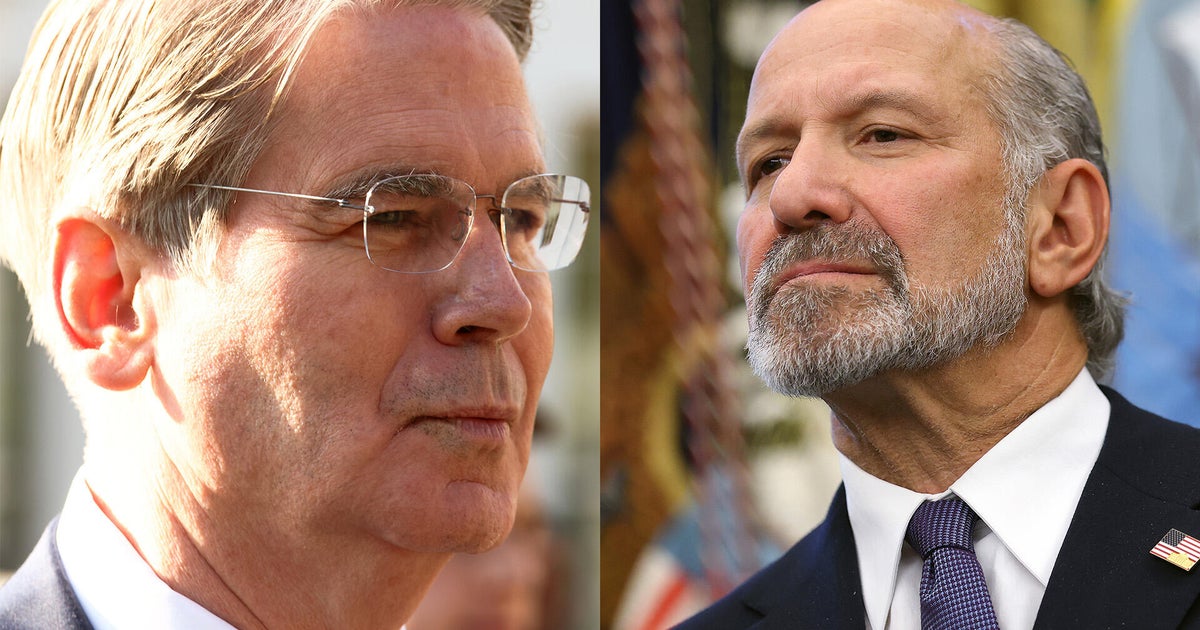
Broader implications. The scandal exposes critical national security gaps in U.S. chip export controls and has triggered a political firestorm: Treasury Secretary Scott Bessent is blaming Commerce Secretary Howard Lutnick for failing to blacklist Megaspeed, the Singapore firm at the center of the affair. Congressional scrutiny of both the Commerce Department and Nvidia's internal governance is now inevitable.
Sources (3)CBS Money Watch, Market Watch, CNBC Top Stories
Strong bearish −802 sourcesmicrosoft · outage · global
Microsoft's Outlook, Teams, and Copilot services experienced a massive worldwide outage spanning into a second day, affecting companies, schools, and local governments across North America and Asia-Pacific. The company attributed the disruption to unexpected server unavailability straining remaining infrastructure, not a cyber-security incident.
Key points
Market impact. The outage has intensified investor anxiety over concentration risk in cloud infrastructure and AI-dependent workflows. While Microsoft claims restoration efforts are "encouraging," the extended duration has forced enterprises to confront contingency planning gaps and is likely to accelerate spending on redundant systems and multi-cloud strategies.
Broader implications. The incident underscores vulnerabilities in critical digital infrastructure at a moment when AI systems are increasingly embedded in enterprise operations. Regulators and corporate boards are now scrutinizing Microsoft's infrastructure resilience and the systemic risk posed by single-vendor dependencies in mission-critical services.
Anthropic is moving toward a landmark IPO that will cap 2024 as a record year for equity megadeals, with Goldman Sachs co-leading the offering while simultaneously positioning itself to manage the wealth management business generated by the deal's proceeds. The offering is being positioned as a hedge against Nvidia concentration risk in AI portfolios.
Key points
Market impact. Institutional investors are expected to reallocate capital from crypto and single-name tech bets into the Anthropic offering; Bitcoin has already fallen below $69,000 as portfolio managers prepare dry powder. The IPO will likely set valuation benchmarks for the broader AI infrastructure sector and influence how capital flows between chip makers and AI software companies.
Broader implications. The deal reflects a structural shift in how Wall Street is pricing AI risk: away from hardware concentration (Nvidia) and toward software and model development. Goldman's dual-revenue strategy—underwriting plus wealth management—exemplifies how investment banks are extracting maximum value from the AI boom's wealth creation.
Sources (3)New York Times Business, CNBC Top Stories, finance.yahoo.com
The FAA issued a rare nationwide ground stop affecting nearly 10,000 flights, citing "extraordinary circumstances" tied to a telecommunications outage. DHS Secretary Markwayne Mullin confirmed no indication of a nefarious attack, but the incident has reignited scrutiny of the agency's aging infrastructure and single-point-of-failure vulnerabilities.
Key points
Market impact. Airlines face cascading cancellations and delays that will pressure Q4 revenue and customer satisfaction metrics. The incident will accelerate capital allocation toward air traffic modernization projects and increase pressure on regional carriers with thinner margins to absorb operational disruptions.
Broader implications. The ground stop is a stark reminder that U.S. critical infrastructure—particularly systems built on legacy technology—remains vulnerable to both technical failure and geopolitical disruption. Congress will likely demand accelerated funding for FAA modernization, creating both regulatory risk and opportunity for defense contractors.
Sources (3)CNBC Top Stories, CBS News, Market Watch
Treasury Secretary Scott Bessent has directly blamed Commerce Secretary Howard Lutnick for failing to blacklist Megaspeed, the Singapore firm at the center of Jensen Huang's spy scandal, allowing the company to continue purchasing advanced Nvidia AI chips. Lutnick has agreed to testify before the Senate Banking Committee on December 10 regarding the Commerce Department's handling of the matter.
Key points
Market impact. The intra-administration conflict signals potential policy instability around AI chip export controls, creating uncertainty for semiconductor companies and their supply chain partners. Investors are pricing in heightened regulatory risk for firms with China-adjacent operations or dependencies on Commerce Department approvals.
Broader implications. The scandal reveals that Commerce Department investigations into Megaspeed were halted after Nvidia intervention, suggesting potential conflicts of interest in export enforcement. Senate testimony will likely produce demands for stricter export controls and internal compliance reforms, reshaping how U.S. tech companies navigate geopolitical restrictions.
Heating oil prices have spiked 59% year-over-year, with some regions facing increases as high as 70%, driven by geopolitical tensions in Iran that have reduced global supply. Nearly 5 million U.S. households relying on heating oil—concentrated in the Northeast—face average winter bill increases of 7% nationally, with some facing far steeper jumps.
Key points
Market impact. Energy companies and heating fuel retailers are capturing margin expansion, but consumer discretionary spending will face headwinds as households redirect budget to essential utilities. Inflation expectations are rising in regions dependent on heating oil, potentially complicating Federal Reserve rate-cut calculations.
Broader implications. The crisis is creating political pressure for emergency congressional relief and exposing the vulnerability of low-income households to commodity price shocks. Regional disparities in heating costs are likely to intensify migration patterns away from high-cost Northeast markets toward warmer climates.
Sources (3)CNBC Top Stories, New York Post Business, The Guardian US News
A tanker struck a river cruise ship carrying 129 passengers on the Mississippi River near the Port of New Orleans, partially submerging the vessel. At least 32 people were treated at local hospitals; authorities report no fatalities but rescue operations remain active.
Key points
Market impact. The incident will trigger maritime liability claims and potential insurance losses, while raising questions about port safety protocols and vessel traffic management. River cruise operators and marine insurers face reputational and financial exposure; regulatory scrutiny of Mississippi River navigation safety is likely to follow.
Broader implications. The collision underscores aging infrastructure and congestion challenges in U.S. inland waterways, a critical artery for commerce. The incident may accelerate investment in port modernization and vessel monitoring systems, with potential implications for shipping costs and supply chain resilience.
Sources (3)CBS News, Business Insider, CNBC Top Stories
Federal Reserve Governor Christopher Waller, a Trump appointee, has signaled the Fed is preparing for a rate hike as inflation remains sticky despite earlier expectations for cuts in 2024. October inflation data beat expectations at 0.4% for the month, forcing the central bank to abandon its previous easing bias.
Key points
Market impact. Equity markets are repricing duration risk; long-duration tech stocks and growth equities face headwinds as terminal rate expectations rise. Bond yields are climbing, making fixed-income more attractive relative to equities and pressuring valuations across high-multiple sectors dependent on low-rate financing.
Broader implications. The Fed's pivot from easing to tightening bias signals that inflation is more entrenched than previously believed, likely driven by energy shocks (Iran tensions) and supply-chain rigidities. This complicates the Trump administration's fiscal expansion plans and raises the risk of stagflation if growth slows while prices remain elevated.
Sources (3)CBS Money Watch, Market Watch, The Washington Post