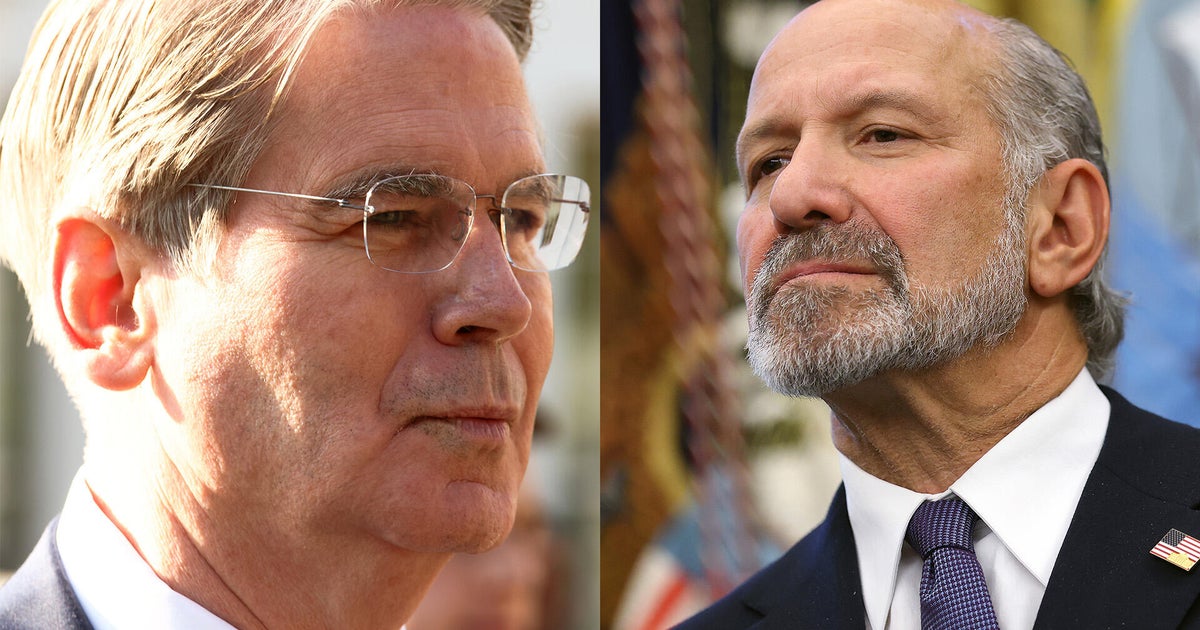
Treasury Secretary Scott Bessent has publicly blamed Commerce Secretary Howard Lutnick for allowing Megaspeed—a China-linked firm—to acquire Nvidia chips despite export control restrictions. Lutnick has agreed to testify before the Senate Banking Committee on December 10 regarding the agency's handling of the diversion.
Key points
Market impact. The scandal compounds Nvidia's market collapse: the stock has shed $657 billion in market cap this week alone and is on track for its longest losing streak since 2012. Lutnick's testimony will likely intensify scrutiny on AI chip export policy, potentially reshaping how the Commerce Department enforces restrictions on advanced semiconductor sales to China-linked entities.
Broader implications. This represents a direct clash within the Trump administration over China policy enforcement and raises questions about whether Lutnick's prior business ties to Chinese companies compromised his regulatory judgment. The outcome will signal whether the U.S. intends to tighten or loosen AI chip export controls going forward.
Sources (3)CBS News, New York Post Business, CBS Money Watch
Nvidia's stock is experiencing its worst losing streak in 14 years, wiping $1.6 trillion from the company's market capitalization. Jensen Huang's resignation this week has accelerated the decline, compounding investor concerns that began in early October.
Key points
Market impact. The collapse is rippling across portfolios: Bitcoin ETFs have shed $2.35 billion in two weeks as investors liquidate positions to rebalance, while AMD and other chip stocks are sliding as Wall Street recalibrates its AI trade thesis without Huang's leadership. The Nvidia rout is also pressuring 401(k)s and institutional holdings heavily weighted to the semiconductor sector.
Broader implications. The scale of Nvidia's decline signals a fundamental repricing of AI infrastructure valuations and raises questions about succession risk at the company. The market is now testing whether Nvidia's dominance in AI chips can survive the departure of its visionary founder.
Sources (3)CBS Money Watch, Market Watch, CNBC Top Stories
Neutral −73 sourcesFAA ground stop · nationwide · air traffic
The FAA issued a rare nationwide ground stop on Friday afternoon, grounding all departing flights due to what officials characterized as an air traffic communication system outage. The disruption—the longest since 9/11—was caused by outdated equipment overloading, not a cyber-attack or Microsoft failure, according to U.S. officials.
Key points
Market impact. Nearly 10,000 flights were canceled or delayed, disrupting travel networks and stranding passengers across the country. The incident exposed critical infrastructure vulnerability and has prompted DHS Secretary Markwayne Mullin to call for congressional funding to upgrade the aging air traffic control system.
Broader implications. The ground stop underscores the fragility of U.S. transportation infrastructure and will likely accelerate legislative pressure for modernization spending. This incident strengthens the case for infrastructure investment and may influence budget negotiations in Congress.
Strong bearish −803 sourcesMicrosoft outage · Outlook · Teams
Microsoft is battling a major outage spanning Outlook, Teams, Copilot, and other cloud services that has dragged into a second day and extended into Asia-Pacific business hours. The company has reported unexpected server unavailability straining remaining infrastructure, though it has ruled out a cyber-security incident as the cause.
Key points
Market impact. The outage has disrupted operations at companies, schools, and local governments worldwide, with some services remaining unavailable even as Outlook begins resuming normal operations. The incident raises questions about Microsoft's cloud infrastructure resilience and could prompt enterprise customers to diversify their cloud dependencies.
Broader implications. This outage highlights the systemic risk posed by concentration of critical business services in a single cloud provider. The incident will likely accelerate discussions around redundancy, backup systems, and multi-cloud strategies across enterprises.
Sources (3)The Guardian Business, CBS Money Watch, ABC News
An Atlantic Asphalt tanker collided with the American Heritage cruise ship on the Mississippi River in New Orleans, forcing rescue operations that pulled roughly 100 people from the water. While all passengers and crew were accounted for, 32 people sustained non-serious injuries and required hospitalization.
Key points
Market impact. The Port of New Orleans has sued the tanker's owners for $1 million to cover repair costs and has sought court authority to seize and sell the vessel. The collision has triggered a lengthy salvage operation and raises insurance and liability questions for maritime operators in the region.
Broader implications. The incident underscores operational risks in one of the nation's busiest ports and may prompt stricter navigation protocols or vessel traffic management in the Mississippi River. It also highlights the vulnerability of aging cruise ship infrastructure to collisions with larger commercial vessels.
Sources (3)Fox News US, ABC News, CNBC Top Stories
Neutral +153 sourcesAnthropic IPO · Goldman Sachs · AI
Anthropic is poised to go public in what will be one of the largest equity offerings of the year, with Goldman Sachs co-leading the transaction. Goldman is also positioning itself to manage the billions in new wealth generated by the deal, seeking to capitalize on both underwriting and wealth management fees.
Key points
Market impact. The IPO is expected to drive significant portfolio rebalancing, with investors potentially liquidating crypto holdings—Bitcoin has already fallen below $69,000—to raise capital for Anthropic shares. The deal will add to a blockbuster year of mega-transactions and could influence valuations across the AI infrastructure sector.
Broader implications. Anthropic's public debut will test investor appetite for AI software companies amid broader tech volatility and Nvidia's collapse. The IPO pricing and performance will signal whether the AI boom remains intact or if valuations are contracting.
Sources (3)Market Watch, CNBC Top Stories, finance.yahoo.com
Strong bearish −483 sourcesinflation · Federal Reserve · interest rates
Federal Reserve officials are signaling a shift toward higher interest rates as inflation seeps deeper into the U.S. economy. Trump-appointed Fed Governor Christopher Waller has indicated the central bank is preparing to raise rates aggressively, contradicting earlier expectations for rate cuts in 2024.
Key points
Market impact. October's inflation reading beat expectations at 0.4% for the month, reinforcing the Fed's hawkish stance and pressuring equity valuations, particularly in rate-sensitive sectors like technology and growth stocks. Higher rates will increase borrowing costs for corporations and consumers, dampening economic activity and potentially triggering a slowdown.
Broader implications. The Fed's pivot away from rate cuts signals a prolonged period of monetary tightness that could undermine the bull case for equities and cryptocurrencies. This shift will likely pressure asset prices across the board and complicate the macroeconomic backdrop for corporate earnings.
Sources (3)CBS Money Watch, CNBC Economy, The Washington Post
Tesla has opened pre-orders for the Cybercab autonomous vehicle with a $299 monthly subscription fee for personal use, subject to geographic restrictions. Elon Musk himself acknowledged the monthly fee is "too high," signaling internal doubts about the pricing model's viability.
Key points
Market impact. The Cybercab launch is a critical test of Tesla's autonomous vehicle strategy and revenue diversification beyond traditional vehicle sales. Early reports of safety issues—including red-light running during test rides—raise questions about the technology's readiness for commercial deployment and could dampen investor enthusiasm.
Broader implications. Tesla's autonomous vehicle ambitions face both technical and commercial hurdles. The company's willingness to lower pricing suggests competitive pressure and consumer resistance, indicating the autonomous taxi market may be further from profitability than previously assumed.
AMD and other semiconductor stocks have slid sharply as Wall Street reassesses the AI trade in the wake of Nvidia's collapse and Jensen Huang's resignation. Initial hopes that Nvidia's pain would translate into gains for competitors have evaporated as investors question the entire sector's growth narrative.