Nvidia delivered a beat-and-raise quarter with stock rising over 3% in premarket trading, but the earnings call carries outsized weight following Jensen Huang's sudden departure as CEO. Wall Street analysts are recalibrating guidance while the chip giant navigates a leadership transition that has rattled confidence in the sector.
Key points
Market impact. Nvidia's earnings beat temporarily stabilized the AI trade and lifted Bitcoin above $60K support levels, but the VIX has surged four consecutive days as options traders price in elevated uncertainty. The leadership vacuum creates a rare vulnerability for the company that has anchored the entire AI rally.
Broader implications. Huang's exit exposes concentration risk in the AI infrastructure narrative. If Nvidia stumbles on execution or loses market share to competitors like AMD or custom silicon, the entire generative AI investment thesis faces a credibility test.
Sources (3)Market Watch, YouTube - Yahoo Finance, CNBC Top Stories
Anthropic's IPO is drawing major institutional backing—Altimeter's Brad Gerstner is committing $5 billion, five times his typical IPO allocation—but the offering forces investors to confront catastrophic liability risks that insurance markets refuse to underwrite. The company's valuation hinges on AI safety claims that remain untested in court.
Key points
Market impact. Anthropic's debut could reset expectations for AI company valuations and determine whether the market will price in existential risk premiums. A successful IPO signals investor confidence in the AI narrative; a weak one signals caution about tail risks.
Broader implications. The absence of insurance coverage for AI-caused harm creates a structural gap in the liability chain. If an AI system causes material damage, Anthropic shareholders could face unlimited exposure—a precedent that will shape how future AI companies are valued and regulated.
Bearish −253 sourcesuk inflation · bank of england · energy
UK inflation accelerated to 3.6%, a one-year high, driven by record diesel and petrol prices tied to the US-Iran conflict. The surge contradicts the Bank of England's assumption that rate cuts would ease price pressures, signaling that geopolitical shocks are overriding monetary policy transmission.
Key points
Market impact. The inflation reacceleration pressures sterling and raises the cost of UK government debt servicing. It also complicates the BoE's cutting cycle—further rate cuts risk validating inflation expectations while holding rates steady risks growth.
Broader implications. Energy-driven inflation is now a structural feature of the post-Ukraine, US-Iran conflict environment. Central banks cannot cut their way out of supply shocks, forcing governments to choose between fiscal stimulus (inflation-prone) and austerity (growth-damaging).
Sources (3)WSJ Economy, BBC Business, CNBC Economy
Strong bearish −523 sourcesunited airlines · system outage · faa
United Airlines suffered a 90-minute system outage that delayed departing flights, occurring just days after a nationwide FAA ground stop—the longest in 25 years. The back-to-back disruptions reveal systemic vulnerabilities in US air traffic control and airline operations technology.
Key points
Market impact. Repeated operational failures erode airline margins through rebooking costs and customer compensation while raising regulatory scrutiny. United's stock faces pressure from operational risk premiums; broader airline sector faces capacity constraints if outages become endemic.
Broader implications. Transportation Secretary Sean Duffy is seeking $50 billion in FAA funding to modernize aging systems, but the political will to fund infrastructure upgrades remains uncertain. Without investment, the US risks losing competitive advantage in air cargo and passenger transport to international carriers with newer infrastructure.
Sources (3)ABC News, The Guardian Business, Market Watch
Tesla is investing €3 billion to upgrade its Berlin Gigafactory for Cybercab production, targeting 1 million units annually by 2026. The company is opening orders at $29,990 but requiring a $299 monthly Autonomy Subscription—making the vehicle essentially unusable without recurring payments.
Key points
Market impact. The subscription model shifts Tesla's revenue structure toward recurring, high-margin software fees while locking customers into the Tesla ecosystem. If adoption scales, it creates a durable revenue stream; if adoption stalls, it signals consumer resistance to subscription-dependent vehicles.
Broader implications. Tesla is betting that autonomous driving will justify subscription costs that exceed traditional vehicle financing. The model also raises regulatory questions about consumer protection—what happens if Tesla discontinues service or the vehicle becomes inoperable due to software updates?
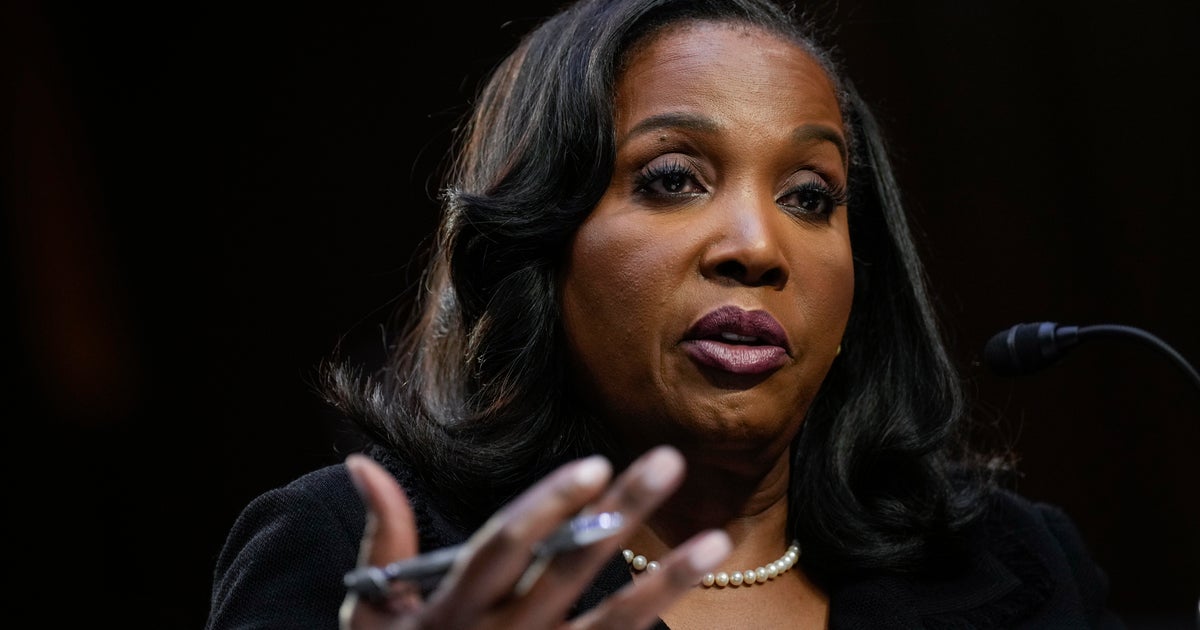
Federal Reserve Governor Lisa Cook's lawyers rejected a December 14 White House hearing on her potential removal, claiming the process is biased and lacks legal foundation. Cook asserts she has "no legal obligation" to participate in a hearing designed to justify her firing.
Key points
Market impact. The standoff creates uncertainty about Fed independence and signals potential politicization of monetary policy. If the Trump administration succeeds in removing Cook, it sets a precedent for executive pressure on the central bank, which could affect Fed credibility on inflation fighting.
Broader implications. The conflict tests whether the Fed can maintain institutional autonomy against executive pressure. A successful removal would subordinate monetary policy to political cycles, undermining the central bank's long-term credibility and potentially raising long-term inflation expectations.
Sources (3)CBS Money Watch, The Washington Post, ABC News
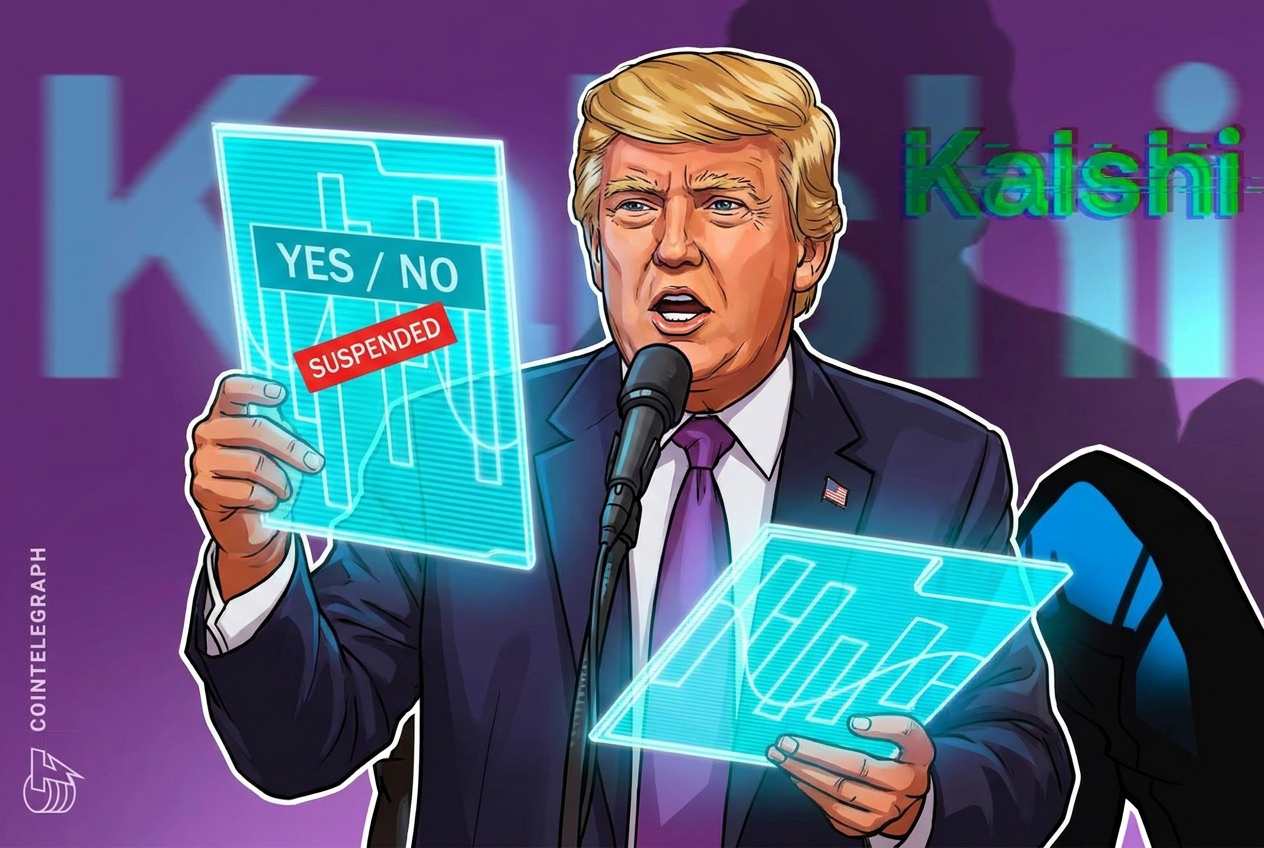
The CFTC ordered Kalshi to pause Trump-related "mention markets"—contracts that bet on whether Trump will be mentioned in news—citing heightened manipulation risks. The regulator determined that the contract structure creates incentives for coordinated trading to artificially move prices.
Key points
Market impact. The order restricts retail access to political prediction markets and signals regulatory skepticism toward event-based derivatives. It also raises questions about the viability of Kalshi's business model if the CFTC continues to restrict its most popular contracts.
Broader implications. The CFTC's action reflects concern that political betting markets could be weaponized to spread disinformation or manipulate public opinion. It also suggests the regulator views prediction markets as distinct from traditional derivatives—subject to stricter manipulation standards.
Sources (3)Cointelegraph, CBS Money Watch, CNBC Top Stories
The Pentagon failed its ninth consecutive financial audit despite claiming progress in organizing finances, yet is requesting $1.5 trillion from taxpayers. The audit failure indicates the department cannot account for trillions in assets and spending, raising questions about fiscal stewardship.
Key points
Market impact. Persistent audit failures create political vulnerability for defense spending increases and could trigger congressional scrutiny of contractor payments and cost overruns. Defense contractors face potential clawbacks or contract restrictions if the Pentagon cannot demonstrate financial controls.
Broader implications. The audit failures expose systemic dysfunction in the largest US government agency. Without financial accountability, the Pentagon cannot optimize spending or eliminate waste—meaning taxpayers are funding inefficiency while the US faces rising defense competition from China and Russia.
Sources (3)The Daily Caller, The Guardian US News, Defense News
Google disclosed that attackers are deploying AI agents to automatically find and exploit software vulnerabilities, compressing the time from discovery to exploitation. Simultaneously, banks are restricting AI agent access to customer accounts, citing both security risks and competitive concerns about losing customer relationships.
Key points
Market impact. The security disclosures pressure cybersecurity stocks and create liability risks for AI vendors. Banks' restrictions on AI agents limit the addressable market for fintech automation and protect incumbent banking relationships, but at the cost of innovation and customer convenience.
Broader implications. AI agents are becoming dual-use tools—simultaneously enabling productivity and creating new attack surfaces. The security-versus-innovation tradeoff will define AI adoption in regulated industries, potentially slowing deployment and concentrating AI benefits among large firms with in-house security teams.