Federal Reserve Governor Christopher Waller said the central bank may need to deploy a 50-basis-point rate hike to "shock" inflation out of the system, with some scenarios requiring as much as 100 basis points of additional tightening. Waller's hawkish pivot contradicts recent market expectations of rate cuts and signals the Fed's willingness to abandon gradualism if inflation remains sticky above the 2% target.
Key points
Market impact. Bitcoin dropped below $63,000 on the comments; equities sold off with the Nasdaq sliding ahead of Nvidia earnings. A shock 50-basis-point move would crater risk assets and reset the entire rate-cut narrative that has buoyed tech stocks for months. Treasury yields will reprice higher, pressuring valuations across high-growth sectors.
Broader implications. Waller's rhetoric signals internal Fed debate over whether current policy is sufficiently restrictive. If inflation proves persistent, the central bank may abandon its patient stance, forcing a painful recalibration of terminal rate expectations and potentially triggering a broader risk-off rotation.
Anthropic is considering increasing its IPO size due to overwhelming investor demand ahead of its Nasdaq debut under ticker ANT on Thursday. The AI lab's offering has become one of the largest IPOs of the year, signaling peak enthusiasm for generative AI infrastructure plays despite broader market volatility.
Key points
Market impact. A larger Anthropic IPO could absorb significant capital that might otherwise flow to other tech names, potentially pressuring Nvidia and other AI chip stocks competing for investor allocation. The pricing and first-day pop will serve as a barometer for AI sector sentiment and the sustainability of the current valuation cycle.
Broader implications. Anthropic's IPO success or failure will test whether the AI boom can sustain public market enthusiasm amid Fed hawkishness and questions about AI profitability. A strong debut reinforces the narrative that AI infrastructure remains a secular growth story; a weak one signals investor caution about valuations.
Sources (3)CNBC Top Stories, Market Watch, CBS Money Watch
Nvidia delivered a beat-and-raise quarter with stock rising over 3% in premarket trading, delivering results that exceeded Wall Street's expectations. Interim CEO Colette Kress led the earnings call in the wake of Jensen Huang's sudden departure, signaling continuity in execution despite leadership turbulence.
Key points
Market impact. The beat provides a floor under Nvidia shares and validates the AI chip demand thesis, though the stock's modest premarket gain suggests investors are pricing in execution risk under new leadership. JPMorgan analysts flagged potential for further upside, but broader market volatility and Fed hawkishness may cap near-term gains.
Broader implications. Nvidia's earnings strength reinforces that AI infrastructure demand remains robust, but Huang's departure raises questions about the company's long-term strategic direction and whether Kress can maintain the founder's visionary edge. The market will scrutinize every Nvidia move as a proxy for AI sector health.
Bearish −303 sourcescommerce department · china · ai chips
The Commerce Department announced new export controls requiring licenses for AI chip sales if they provide compute access to foreign entities, closing a loophole that allowed Chinese firms to access advanced chips through overseas data centers. The interim rule targets remote access arrangements that circumvent existing Nvidia export bans.
Key points
Market impact. The tightening threatens Nvidia's international revenue streams and could pressure margins if Chinese demand shifts to domestically produced alternatives. Semiconductor equipment makers and cloud providers with international exposure face regulatory headwinds, though US-focused chip designers may benefit from reduced competition.
Broader implications. The move escalates US-China tech decoupling and signals the Trump administration's intent to weaponize AI chip supply as a geopolitical lever. China will likely accelerate indigenous chip development, intensifying the global AI arms race and fragmenting the semiconductor market into competing blocs.
Sources (3)New York Post Business, CBS Money Watch, TechCrunch
Strong bearish −533 sourcesiran · gulf · us strikes
Iran's military targeted US drone and missile installations at Kuwait's Ali Al Salem air base and other Gulf assets following US defensive strikes, marking an escalation in tit-for-tat attacks. Kuwait's air defense intercepted some Iranian ordnance, but the strikes signal Iran's willingness to directly challenge US military presence in the region.
Key points
Market impact. Oil prices face upside pressure as geopolitical risk premiums widen; energy stocks and defensive sectors should outperform. Shipping and insurance costs for Gulf-bound cargo will rise, adding to inflation pressures that complicate the Fed's policy calculus. Aerospace and defense contractors may see increased demand for air defense systems.
Broader implications. The escalation risks a broader regional conflict that could disrupt Strait of Hormuz shipping and destabilize global energy markets. Gulf allies' muted response suggests they are balancing US security commitments against economic ties to Iran, creating uncertainty about the durability of regional alliances.
Sources (3)Fox News World, CBS News, CNBC Top Stories
Bearish −253 sourcesuk inflation · bank of england · energy
UK inflation accelerated to 3.6%, a one-year high, driven by record diesel and petrol prices tied to Iran-US tensions in the Gulf. The surge in energy costs is feeding through to raw materials and factory-gate prices, signaling broadening inflationary pressures beyond energy alone.
Key points
Market impact. The Bank of England faces renewed pressure to hold or raise rates despite growth concerns, supporting sterling and UK gilt yields. FTSE 100 energy stocks should outperform, while consumer discretionary names face margin compression. The inflation surprise complicates BoE guidance and could delay rate cuts.
Broader implications. UK inflation dynamics now track global energy shocks rather than domestic slack, reducing the BoE's policy flexibility. If geopolitical tensions persist, the UK faces stagflationary headwinds that could derail the government's growth agenda and pressure public finances.
Sources (3)WSJ Economy, BBC Business, CNBC Economy
Tesla is investing €3 billion to upgrade its Berlin Gigafactory for Cybercab production, targeting 1 million units annually. The company is opening orders at $29,990 with a mandatory $299 monthly autonomy subscription, betting that robotaxi adoption will drive recurring revenue and justify the massive capex.
Key points
Market impact. The Berlin expansion signals Tesla's confidence in autonomous vehicle demand and European market penetration, but the subscription model raises questions about consumer adoption and regulatory approval timelines. Capital intensity will pressure near-term margins, though long-term gross margins could expand if autonomy software monetizes at scale.
Broader implications. Tesla is betting its future on autonomous vehicles and software subscriptions rather than traditional auto manufacturing, a high-risk pivot that depends on regulatory approval and technical execution. Success would transform Tesla into a mobility services company; failure leaves it with stranded capex and overcapacity.
The Pentagon failed its ninth straight financial audit despite claiming progress in organizing finances, unable to demonstrate that its financial statements are fairly presented or that systems and processes are sound. The department is simultaneously requesting $1.5 trillion from taxpayers, creating a credibility gap on fiscal stewardship.
Key points
Market impact. Audit failures do not directly move defense contractor stocks, but they signal systemic inefficiency and potential for future budget scrutiny or clawbacks. Congressional pressure to condition funding on audit compliance could delay defense spending and create uncertainty for prime contractors like Lockheed Martin and Raytheon.
Broader implications. The Pentagon's inability to pass an audit after nine years suggests deep structural problems in financial controls and accountability that undermine public confidence in defense spending. Lawmakers may demand reforms before approving further increases, potentially constraining the defense budget and forcing prioritization among programs.
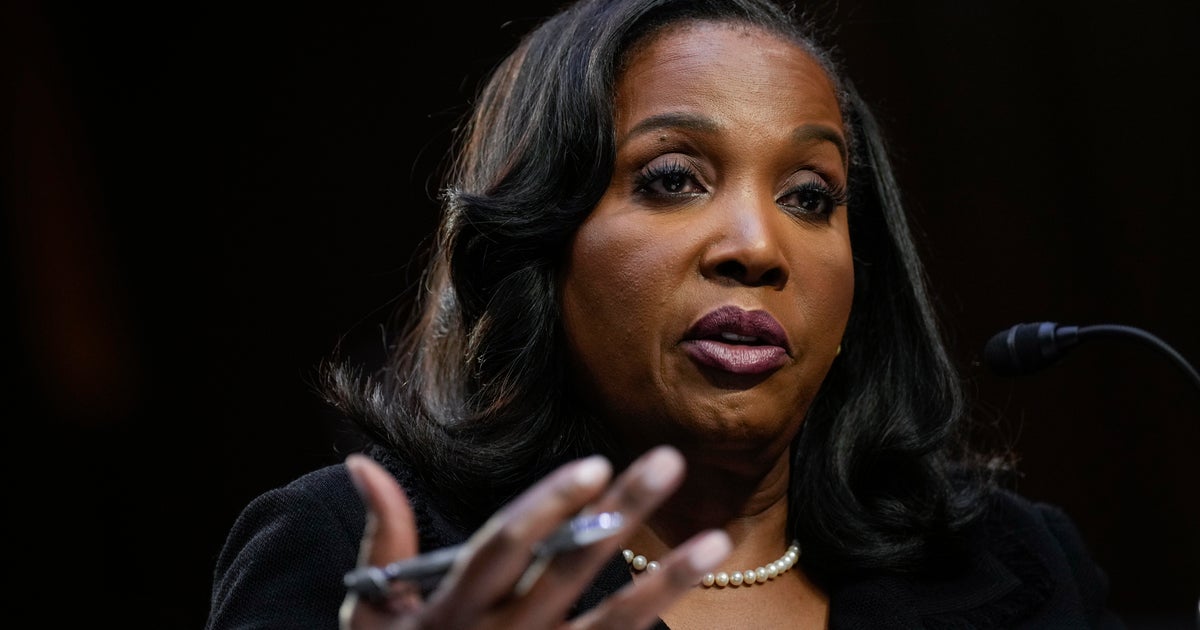
Federal Reserve Governor Lisa Cook declined to attend a December 14 White House hearing on her potential removal, with her lawyers arguing she has no legal obligation to participate in a process they characterized as biased. Cook is challenging the Trump administration's attempt to fire her, citing procedural irregularities and lack of due process.
Key points
Market impact. The standoff creates legal uncertainty around Fed governance and could trigger litigation that delays any removal. Markets will watch for signals about the administration's willingness to challenge Fed independence; a successful removal would embolden further political pressure on monetary policy, while a failed attempt reinforces central bank autonomy.
Sources (3)CBS Money Watch, The Washington Post, ABC News