Anthropic priced its IPO at $83 per share, above the initial $70–$78 range, raising $81.3 billion and valuing the five-year-old AI lab at $1.5 trillion on a fully diluted basis. The company begins trading on Nasdaq under ticker ANT on Thursday, marking one of the largest IPOs in U.S. history.
Key points
Market impact. Amazon will own just under 15% post-IPO with options to increase; Google holds a close second stake. The IPO pricing signals sustained institutional appetite for AI infrastructure despite broader market skepticism about valuation multiples. Nvidia and semiconductor stocks have already rotated lower ahead of the listing.
Broader implications. Anthropic's blockbuster valuation crystallizes the AI sector's capital intensity and the dominance of cloud giants in controlling frontier AI. The IPO will test whether public markets can sustain $1.5 trillion valuations for companies with limited revenue and uncertain paths to profitability.
Sources (3)NPR Business, CNBC Top Stories, TechCrunch
Jensen Huang stepped down as Nvidia CEO last week amid multiple scandals, including an affair with an employee. Colette Kress, the CFO, is now interim CEO and led the company's latest earnings call—a beat-and-raise quarter that nonetheless failed to prevent stock rotation into Anthropic's IPO.
Key points
Market impact. Nvidia stock rose 3% in premarket trading on earnings but has faced headwinds from the Anthropic IPO rotation and broader concerns about AI concentration. Sam Altman's comment that it's "hard to imagine the AI industry without Jensen" underscores investor anxiety about the company's ability to maintain dominance without its founder.
Broader implications. Huang's departure exposes Nvidia's founder-dependent culture at a critical moment when the company faces intensifying competition from custom chips at cloud providers and geopolitical export restrictions. The leadership transition will test whether Nvidia can sustain its market position without its visionary founder.
Federal Reserve Governor Christopher Waller warned the central bank may need to "shock people" with a 50-basis-point rate hike and suggested rates could need to rise by 100 basis points or more to cool persistent inflation above the Fed's 2% target. His hawkish comments sent Bitcoin below $63,000 and triggered broader risk-asset volatility.
Key points
Market impact. Equity and crypto markets wobbled on the prospect of more aggressive monetary tightening. The commentary contradicts recent market expectations for a pause in rate hikes and signals the Fed remains committed to fighting inflation even if it requires larger moves that could trigger economic shocks.
Broader implications. Waller's stance reflects growing Fed concern that inflation remains sticky and that conventional rate increments have failed to anchor expectations. A 50-basis-point move would mark a significant escalation and could pressure high-valuation tech stocks and leveraged assets already under pressure from Anthropic's IPO rotation.
UK inflation accelerated to 3.6% in October, a one-year high, driven primarily by record diesel and petrol prices. The U.S.-Iran conflict has kept energy prices elevated globally, creating fresh pressure on the Bank of England's inflation-fighting efforts.
Key points
Market impact. The inflation surge complicates the Bank of England's rate-cut calculus and may force the central bank to hold rates higher for longer than markets have priced. Sterling could face headwinds if the BoE signals a more hawkish stance, while UK-exposed equities may face margin pressure from higher input costs.
Broader implications. The UK inflation print reflects broader geopolitical energy shocks rippling through developed economies. If Iran-US tensions persist, energy costs will remain a persistent inflation driver across Europe and the UK, constraining central banks' ability to ease policy even as growth risks mount.
Sources (3)WSJ Economy, BBC Business, CNBC Economy
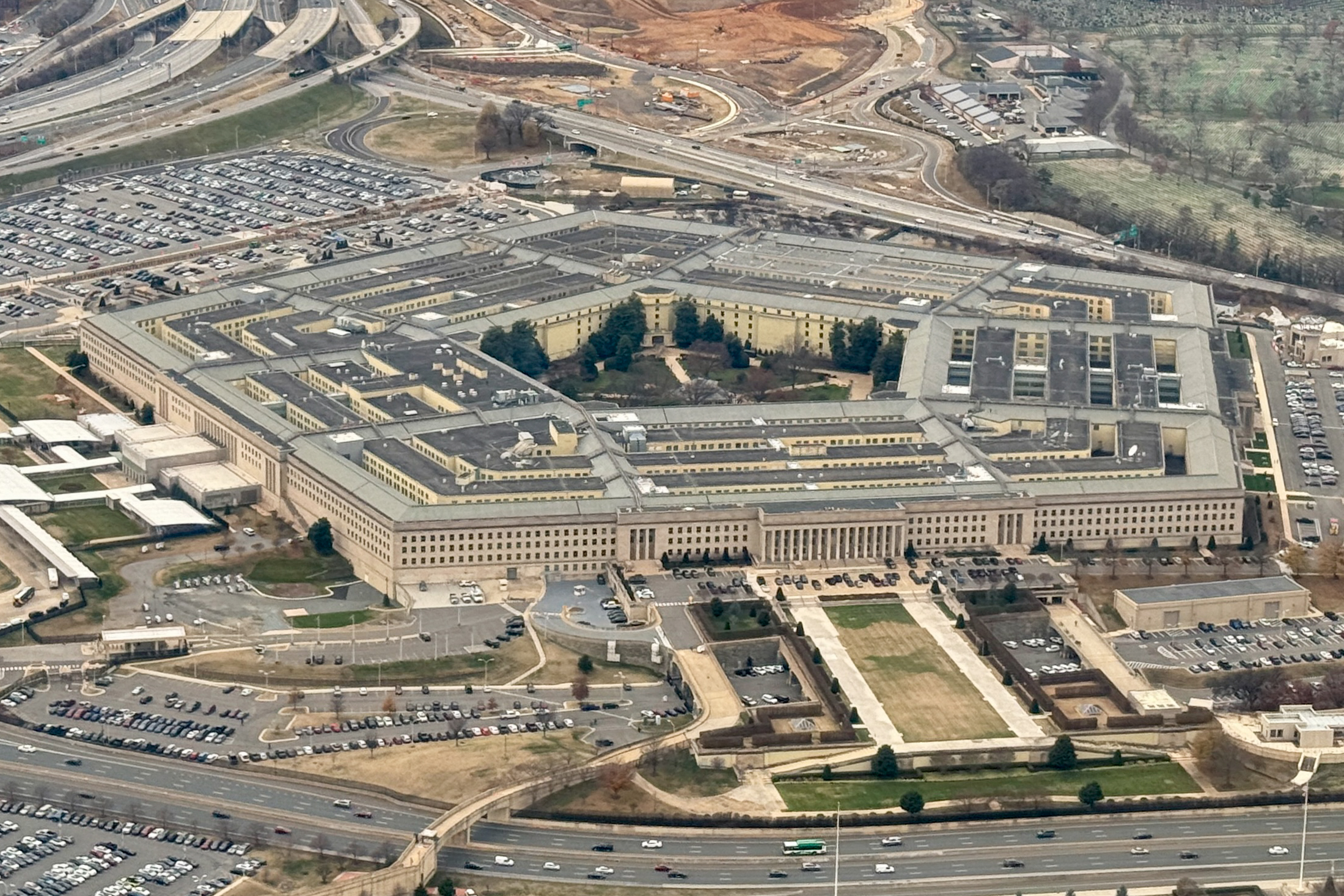
The Pentagon failed its ninth straight financial audit, with the Inspector General flagging fraud and control failures as top priorities. Despite claiming progress in organizing finances, the department continues to demonstrate it cannot reliably account for trillions in assets and spending.
Key points
Market impact. The repeated audit failure undermines the Pentagon's credibility with Congress and taxpayers at a moment when defense contractors are seeking higher budgets. Continued audit failures could eventually trigger congressional scrutiny of defense spending and contractor margins, pressuring names like RTX and LMT.
Broader implications. Nine consecutive audit failures reveal systemic dysfunction in the world's largest military budget. The pattern suggests entrenched fraud and weak internal controls that persist despite decades of reform efforts, raising questions about whether the Pentagon can effectively steward the $1.5 trillion taxpayers allocate annually.
Bearish −303 sourcescommerce · nvidia · china · chips
The Commerce Department announced interim rules to crack down on loopholes that allowed Chinese firms to access advanced AI chips remotely through foreign data centers. The move follows the Nvidia scandal and requires licenses for exports of AI chips if they may provide compute access to Chinese entities.
Key points
Market impact. The restrictions limit Nvidia's addressable market and create compliance complexity for cloud providers offering remote compute. Nvidia has already ceased direct sales to China; these rules now target indirect access routes, potentially reducing revenue from a key growth market and pressuring semiconductor valuations.
Broader implications. The Trump administration is escalating AI chip export controls as a core geopolitical strategy to maintain U.S. technological dominance. These restrictions will fragment the global AI infrastructure market, forcing Chinese competitors to develop indigenous chips faster and potentially accelerating China's self-sufficiency in semiconductor design.
Sources (3)New York Post Business, CBS Money Watch, TechCrunch
Strong bearish −663 sourcespalmer · anduril · ai · defense
Palmer Luckey, founder of defense tech company Anduril Industries and Pentagon advisor, warned the U.S. faces a critical "mismatch" in AI capabilities for warfare. He cited recent tech outages and outdated infrastructure as evidence that AI-powered cyberattacks are outpacing American defenses, urging urgent modernization.
Key points
Market impact. Luckey's warnings amplify the case for defense spending on AI and autonomous systems, benefiting contractors like Anduril, Palantir, and traditional primes like RTX and LMT. The commentary supports arguments for higher defense budgets and faster procurement cycles for AI-enabled weapons systems.
Broader implications. Luckey's assessment reflects genuine Pentagon anxiety about AI-driven military competition with China and Russia. The warning will likely accelerate U.S. defense AI spending and reshape procurement priorities toward autonomous systems, creating a multi-year tailwind for defense tech startups and established contractors.
Waymo abruptly pulled all driverless cars from U.S. freeways nationwide after California officials ordered the suspension following reports of alarming robotaxi behavior. The company continues operations in 15 U.S. cities but only on surface streets, marking a significant retreat from its autonomous vehicle expansion.
Key points
Market impact. The move signals regulatory tightening around autonomous vehicle deployment and raises questions about the timeline to full self-driving commercialization. Alphabet (Waymo's parent) faces reputational risk and potential revenue delays, while competitors like Tesla face similar regulatory scrutiny on their autonomous driving claims.
Broader implications. Waymo's freeway pullback reflects the gap between technical capability and regulatory comfort with autonomous systems on high-speed roads. The retreat suggests regulators will demand higher safety standards before permitting widespread autonomous deployment, extending timelines for the robotaxi industry's profitability.
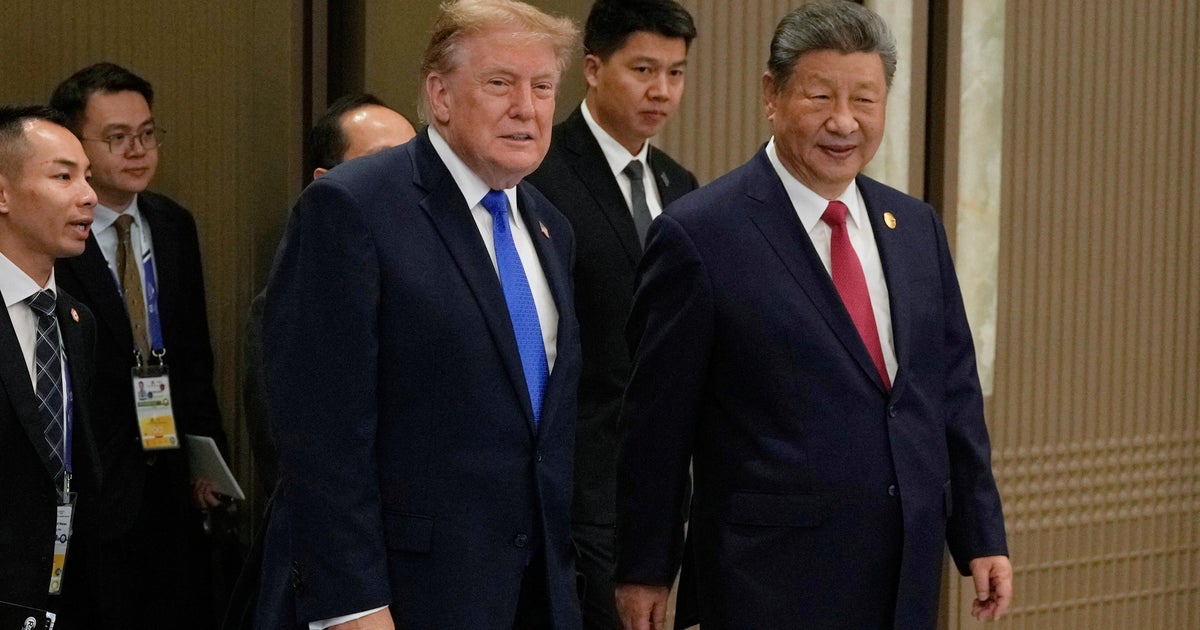
President Trump, Chinese President Xi Jinping, and Russian President Vladimir Putin are holding a rare trilateral meeting at the APEC summit in Shenzhen. The three-way discussion marks a significant diplomatic moment amid ongoing U.S.-China trade tensions and the Ukraine conflict.
Key points
Market impact. Markets are monitoring the meeting for signals on trade policy, China relations, and potential de-escalation in geopolitical tensions. Any announcements on tariffs, sanctions relief, or trade negotiations could move currency and equity markets, particularly in Asia and sectors exposed to China trade.