Anthropic priced its IPO at $83 per share, above the $70–$78 range, raising $81.3 billion and valuing the five-year-old AI lab at $1.5 trillion on a fully diluted basis. The company will trade on Nasdaq under ticker ANT, with Amazon holding just under 15% and Google close behind as major shareholders post-IPO.
Key points
Market impact. The oversubscribed offering reflects sustained institutional appetite for AI infrastructure plays, though it has triggered a rotation away from Nvidia and into AI software and services. The IPO's scale—placing Anthropic in the top 10 most valuable U.S. companies—signals confidence in Claude's competitive positioning against OpenAI, but also raises questions about whether valuations have decoupled from near-term revenue fundamentals.
Broader implications. The IPO validates the AI arms race narrative and reinforces Big Tech's control over frontier AI development through equity stakes. However, it coincides with warnings from former SEC Chair Gary Gensler that an AI bubble is already forming and could trigger a recession by 2028, adding macro risk to the sector's near-term outlook.
Sources (3)NPR Business, CNBC Top Stories, TechCrunch
Federal Reserve Governor Christopher Waller said the central bank may need to "shock" inflation out of the system with a 50-basis-point rate hike and suggested rates could need to rise by 100 basis points or more if inflation remains sticky above the 2% target. His comments reversed recent dovish sentiment and triggered immediate volatility in equities and crypto.
Key points
Market impact. Bitcoin dropped below $63,000 on Waller's hawkish remarks, and equity futures weakened as traders repriced terminal rate expectations higher. The shift undercuts the post-Anthropic IPO rally and signals the Fed may prioritize inflation control over growth support, pressuring high-multiple tech and growth stocks that have benefited from rate-cut expectations.
Broader implications. Waller's stance suggests the Fed is moving away from the "higher for longer" narrative toward a more aggressive tightening cycle if inflation proves persistent. This creates a policy fork: either inflation breaks quickly and the Fed pauses, or sustained price pressures force the central bank into a shock-therapy posture that risks recession.
UK inflation rose to 3.6% year-over-year in October, driven primarily by record diesel and petrol prices tied to ongoing U.S.-Iran tensions in the Middle East. The acceleration marks a one-year high and signals that energy shocks are re-entering the inflation calculus across developed economies.
Key points
Market impact. The data complicates the Bank of England's policy path and may force officials to hold rates higher for longer, supporting sterling but weighing on UK equities and consumer-sensitive sectors. Energy-intensive industries face margin pressure, while inflation expectations could re-anchor higher if crude prices remain elevated.
Broader implications. The UK inflation print reflects a global energy supply shock that central banks cannot easily offset with monetary policy alone. It underscores the vulnerability of developed economies to geopolitical disruptions in the Middle East and reinforces the case for energy security investments and diversification away from fossil fuels.
Sources (3)WSJ Economy, BBC Business, CNBC Economy
Nvidia founder and former CEO Jensen Huang stepped down last week amid multiple scandals, including an affair with an all-hands attendee, leaving Colette Kress as interim CEO. Sam Altman told CNBC it's "hard to imagine the AI industry without Jensen," signaling the magnitude of the leadership vacuum at the chip maker.
Key points
Market impact. Nvidia's stock has faced headwinds as traders worry about talent retention and strategic continuity during a critical period of AI infrastructure buildout. The company's Q3 beat-and-raise earnings call—described as "the most important in the company's history"—will be scrutinized for signs of internal stability and forward guidance amid the leadership void.
Broader implications. Huang's departure exposes governance risks at the apex of the AI supply chain and raises questions about succession planning at founder-led tech firms. The transition could accelerate talent poaching by competitors and reshape Nvidia's strategic priorities if Kress charts a different course than Huang's aggressive expansion strategy.
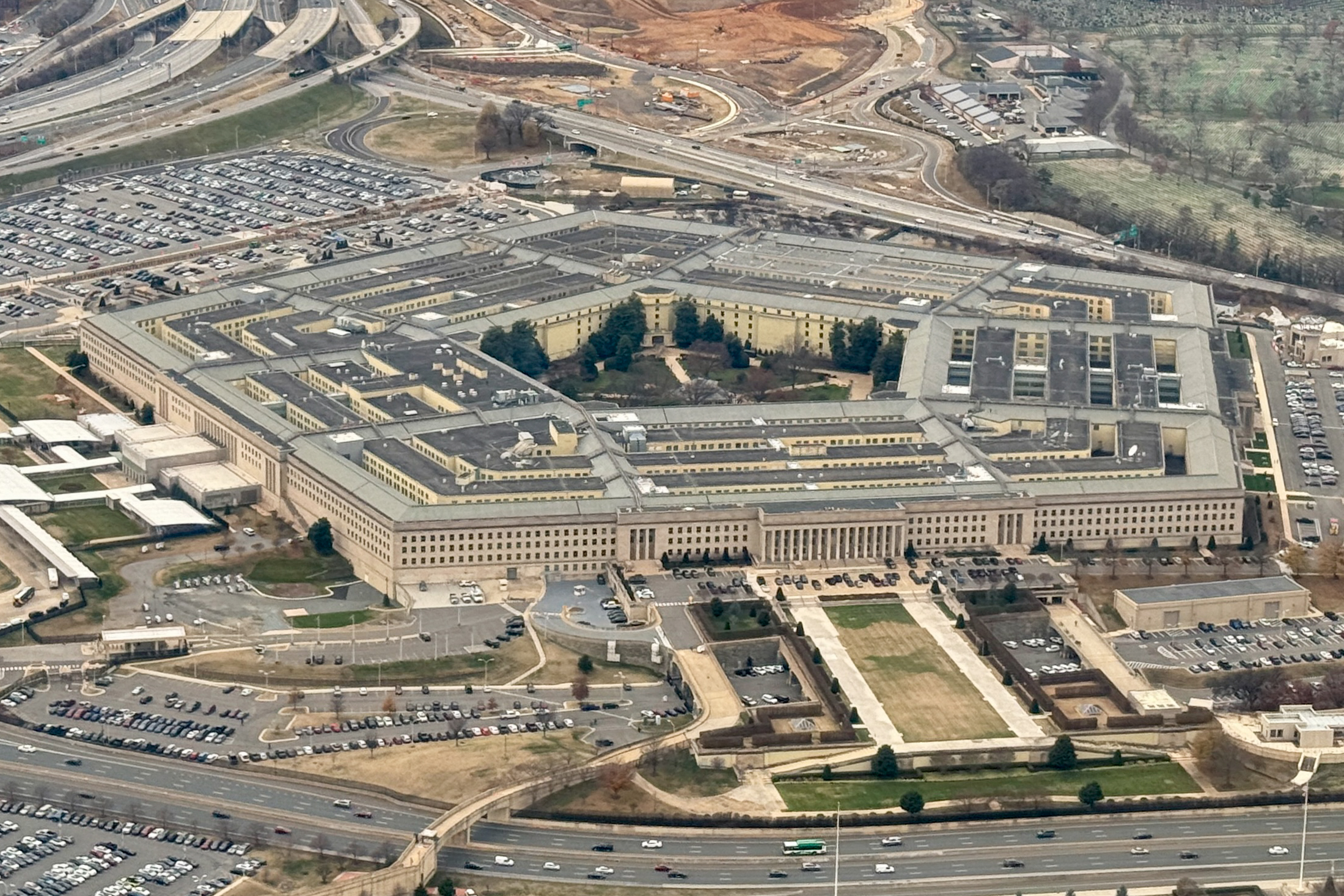
The Pentagon failed its ninth straight financial audit, with the Department of Defense Inspector General flagging persistent fraud and systemic accounting failures despite claimed progress in organizing finances. The failure occurs as the department seeks $1.5 trillion in taxpayer funding for fiscal 2026.
Key points
Market impact. The audit failure creates political vulnerability for defense spending increases and could embolden fiscal hawks in Congress to demand accountability measures before approving new appropriations. Defense contractors may face heightened scrutiny on cost controls and compliance, potentially affecting margins and contract awards.
Broader implications. Repeated audit failures underscore deep structural problems in DoD financial management and raise questions about whether the department can effectively steward massive capital allocations during a period of geopolitical tension. The pattern suggests systemic issues that cannot be resolved through incremental reforms alone.
Bearish −303 sourcescommerce · nvidia · china · chips
The Trump administration announced an interim rule requiring licenses for exports of advanced AI chips if they may provide compute access to foreign countries via remote data centers. The move targets a loophole that Chinese firms exploited to circumvent existing export restrictions, following revelations of Nvidia's compliance failures.
Key points
Market impact. Nvidia faces revenue headwinds as it cannot sell advanced chips to China or through cloud providers offering remote access to Chinese customers. The rule creates compliance complexity for U.S. chipmakers and cloud providers, potentially reducing addressable markets and pressuring margins. Competitors like AMD may benefit from reduced Nvidia competition in certain segments.
Broader implications. The tightening reflects escalating U.S.-China tech competition and signals the Trump administration's intent to weaponize AI chip supply as a strategic lever. The move may accelerate Chinese efforts to develop indigenous chip capabilities and could fragment global AI infrastructure into competing blocs.
Sources (3)New York Post Business, CBS Money Watch, TechCrunch
Strong bearish −663 sourcesanduril · palmer · defense · ai
Palmer Luckey, founder of defense tech firm Anduril Industries and Pentagon advisor, warned that the U.S. faces an AI "mismatch" in military capabilities and that AI-powered cyberattacks are outpacing defensive measures. He blamed widespread tech outages on outdated infrastructure and said "it's time to start running" to catch up.
Key points
Market impact. Luckey's warnings boost the investment thesis for defense contractors and cybersecurity firms positioned to modernize U.S. military infrastructure. Anduril and peers like Palantir, RTX, and Lockheed Martin could see accelerated procurement cycles and higher budgets if policymakers accept the urgency of AI-driven defense modernization.
Broader implications. Luckey's public alarm reflects genuine Pentagon concerns about AI capability gaps versus China and Russia, and signals that defense spending will increasingly flow toward AI-native companies and modernization efforts. The narrative supports higher defense budgets and may influence geopolitical risk assessments.
Waymo abruptly pulled all driverless taxis from U.S. freeways nationwide after California regulators ordered the suspension following reports of alarming autonomous vehicle behavior. The company continues operating in 15 U.S. cities but is now restricted to surface streets.
Key points
Market impact. The suspension signals regulatory tightening around autonomous vehicle deployment and raises questions about the safety and readiness of Level 4 autonomy at scale. Waymo's parent Alphabet faces reputational risk and potential revenue delays, while competitors like Tesla and Cruise face heightened scrutiny on their autonomous programs.
Broader implications. The freeway ban reflects a critical gap between technical capability and regulatory comfort with autonomous systems in high-speed environments. It suggests the path to full autonomy will be slower and more fragmented by jurisdiction than industry optimists predicted, extending the timeline for robotaxi profitability.
Strong bearish −533 sourcesiran · gulf · us · military
Iran's military targeted U.S. air bases and drone installations in Kuwait and claimed strikes on U.S. assets at Ali Al Salem air base, escalating a cycle of tit-for-tat attacks following U.S. defensive strikes. Kuwait and Bahrain reported intercepting Iranian missiles, and Iran warned Bahrain's monarchy that its survival is at risk amid pressure to "evict" the U.S. Fifth Fleet.
Sources (3)Fox News World, CBS News, CNBC Top Stories