Anthropic opened on NASDAQ at $110 per share Thursday, $27 above its $83 IPO price, raising $81 billion in total capital and surpassing SpaceX's $75 billion June fundraise as the largest private capital raise on record. The AI frontier lab's public debut marks a watershed moment for generative AI commercialization and venture capital returns.
Key points
Market impact. The IPO signals robust institutional appetite for AI infrastructure plays despite recent tech sector volatility and outage concerns. Anthropic's valuation trajectory—from $20 billion in September 2023 to $107+ billion at debut—establishes a new valuation floor for frontier AI labs and will likely accelerate funding rounds for competitors like OpenAI and xAI. Venture capitalists backing Anthropic face immediate paper gains exceeding $30 billion.
Broader implications. The blockbuster debut validates the AI arms race narrative and suggests markets believe frontier AI models justify extraordinary valuations despite unproven monetization paths. Anthropic's public benefit corporation structure and $156 billion potential charitable endowment add a governance layer absent from most tech IPOs, though execution risk on revenue scaling remains acute.
Sources (3)TechCrunch, CNBC Top Stories, New York Post Business
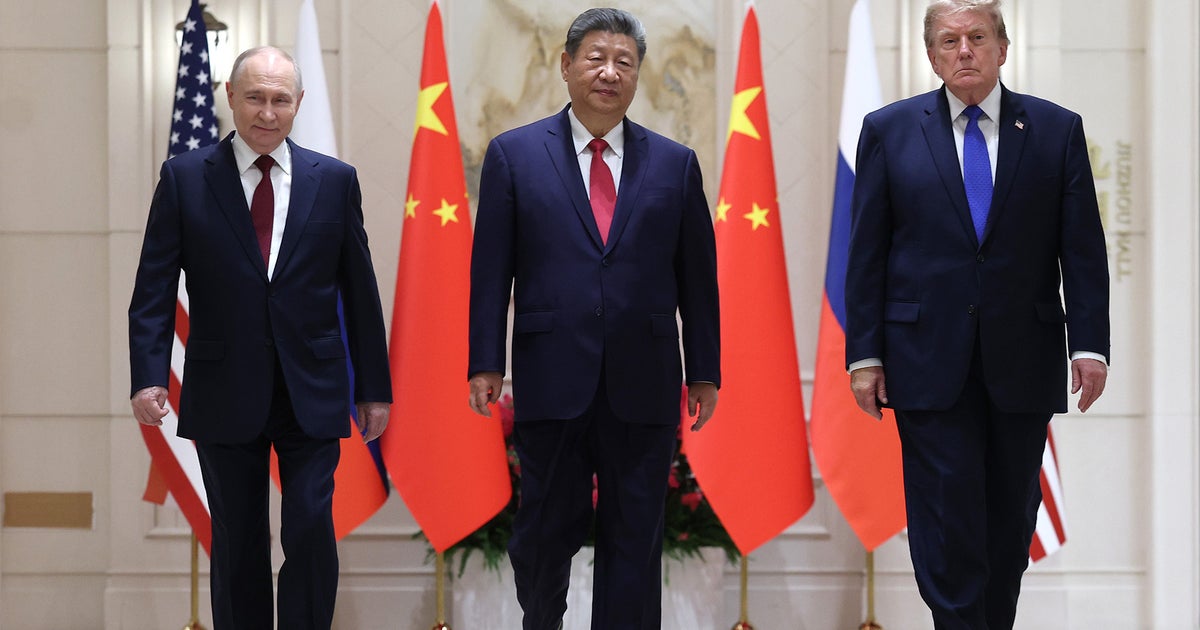
President Trump, Chinese President Xi Jinping, and Russian President Vladimir Putin issued a joint four-point peace declaration Thursday following trilateral talks in China—a historic first for the three leaders. The declaration commits the trio to reforming the United Nations and limiting constraints on their respective governments, though specifics remain opaque.
Key points
Market impact. The summit produces no concrete movement on Ukraine, leaving geopolitical risk premiums in energy and defense equities intact. Any credible signal of U.S.-Russia detente would pressure oil prices and defense contractor valuations; the vague declaration suggests markets should price limited near-term de-escalation. Emerging market currencies tied to commodity exports may see modest relief if multilateral tensions ease.
Broader implications. The summit signals Trump's intent to reshape the post-WWII international order through direct great-power negotiation rather than multilateral institutions. The absence of Ukraine progress and emphasis on UN reform suggest a realignment away from liberal internationalism, with implications for NATO cohesion, sanctions regimes, and the dollar's reserve currency status.
Bearish −173 sourcesjpmorgan · visa · mastercard · cyberattack
A ransomware group leaked sensitive customer data from JPMorgan Chase, Visa, and Mastercard after compromising third-party vendors, according to the Wall Street Journal. JPMorgan confirmed the breach affected marketing data held by outside vendors and will offer affected customers free credit monitoring, though the full scope of exposed records remains unclear.
Key points
Market impact. The breach adds to mounting cybersecurity concerns plaguing financial services and payment networks, though limited to vendor-held marketing data rather than transaction records or payment credentials. JPM, V, and MA face regulatory scrutiny and potential fines, but the incident is unlikely to move equities materially given the contained nature of exposed data. Cybersecurity vendors and insurance providers may see marginal demand uptick.
Broader implications. The breach underscores the systemic risk of third-party vendor ecosystems in financial services and validates arguments for stricter supply-chain security mandates. Regulators will likely tighten vendor oversight requirements, raising operational costs for payment processors and banks while accelerating consolidation among smaller fintech vendors unable to meet compliance burdens.
Sources (3)CBS News, Business Insider, The Daily Caller
Microsoft CEO Satya Nadella warned Thursday that AI-driven outages will recur after a "perfect storm" of factors crippled his own company's services, and noted that significant portions of critical infrastructure lack patchability. Nadella acknowledged AI creates both opportunities and novel cybersecurity vulnerabilities, positioning the tech industry for a period of elevated operational risk.
Key points
Market impact. The warning pressures cloud infrastructure and SaaS valuations, as enterprises will demand higher service-level agreements and redundancy investments, raising capex requirements for hyperscalers. Cybersecurity and disaster-recovery vendors gain tailwinds, while companies dependent on Microsoft's ecosystem (Teams, Outlook, Azure) face margin compression from increased operational spending. Microsoft's own stock faces headwinds if investors price in elevated capex for resilience.
Broader implications. Nadella's candor signals that the AI-driven digital economy is outpacing legacy infrastructure's ability to absorb complexity and scale. The admission that critical systems are "unpatchable" suggests regulatory intervention may accelerate, with governments mandating redundancy standards and forcing tech giants to slow deployment velocity in favor of stability—a structural headwind for growth narratives.
Bullish +163 sourcestesla · cybercab · berlin · gigafactory
Tesla announced a €3 billion expansion of its Berlin Gigafactory targeting 1 million Cybercab units annually, signaling aggressive commitment to autonomous vehicle manufacturing in Europe. The investment represents Tesla's largest European capex bet and positions Germany as the hub for robotaxi production, contingent on regulatory approval and technical validation.
Key points
Market impact. The Cybercab bet amplifies Tesla's valuation risk: the vehicle requires $299 monthly subscription fees to function and costs more than a Model 3 after four years of driving, raising questions about addressable market size and consumer adoption. The Berlin investment signals confidence in autonomous technology but diverts capex from higher-margin legacy vehicle lines, pressuring near-term profitability. European auto suppliers face disruption risk if Tesla achieves scale.
Broader implications. Tesla's robotaxi pivot represents a structural bet that autonomous ride-hailing will displace personal vehicle ownership, a thesis dependent on regulatory approval, technical reliability, and insurance frameworks that remain unresolved. The subscription model signals Tesla's intent to capture recurring revenue rather than one-time vehicle sales, fundamentally reshaping automotive economics if successful but creating stranded asset risk if autonomous technology fails to mature.
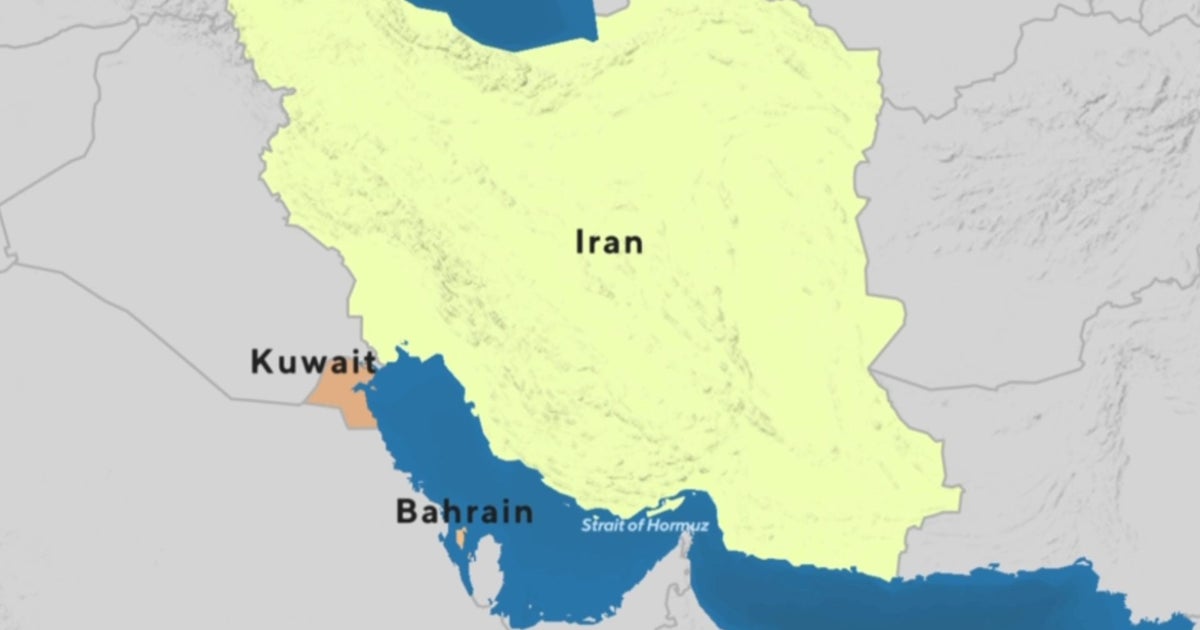
Iran launched retaliatory strikes against U.S. allies Bahrain and Kuwait, with both nations intercepting Iranian weapons systems Thursday. Iran claimed its military targeted U.S. drone and missile installations at Kuwait's Ali Al Salem air base, escalating a pattern of direct attacks on Gulf infrastructure following U.S. strikes.
Key points
Market impact. The escalation pressures crude oil prices upward as supply disruption risk in the Strait of Hormuz—through which 20% of global oil transits—rises materially. Energy equities and defensive sectors gain, while equities sensitive to oil price spikes (airlines, shipping, consumer discretionary) face headwinds. Insurance and reinsurance costs for Gulf maritime operations will spike if attacks persist.
Broader implications. The Iran-U.S. proxy conflict is transitioning from covert operations to direct military engagement, raising the risk of unintended escalation and regional conflagration. A sustained campaign against Gulf infrastructure could trigger broader Middle East conflict, destabilizing oil markets and forcing central banks to reassess inflation trajectories. The Trump administration's posture toward Iran will determine whether de-escalation or further escalation dominates.
Anduril Industries co-founder Palmer Luckey warned Thursday that the U.S. is falling behind in the AI arms race and faces a critical military "mismatch" against adversaries deploying autonomous systems at scale. Luckey, advising the Pentagon on future warfare strategy, blamed widespread tech outages on outdated infrastructure and argued that AI-powered cyberattacks are outpacing defensive capabilities.
Key points
Market impact. The warning accelerates defense spending narratives and benefits defense contractors focused on autonomous systems, AI, and cyber defense (Lockheed Martin, Northrop Grumman, Palantir). Luckey's credibility with Pentagon leadership amplifies Anduril's positioning as a critical defense AI vendor, likely accelerating government contract awards. Cybersecurity equities gain as enterprises and government agencies prioritize AI-resistant infrastructure.
Broader implications. Luckey's warnings signal a Pentagon consensus that AI military superiority is now a strategic imperative, likely triggering accelerated defense AI spending and loosened acquisition timelines. The framing of AI as an existential military challenge—rather than a commercial opportunity—shifts political risk toward defense spending increases and away from AI regulation, benefiting defense contractors while raising geopolitical tensions.
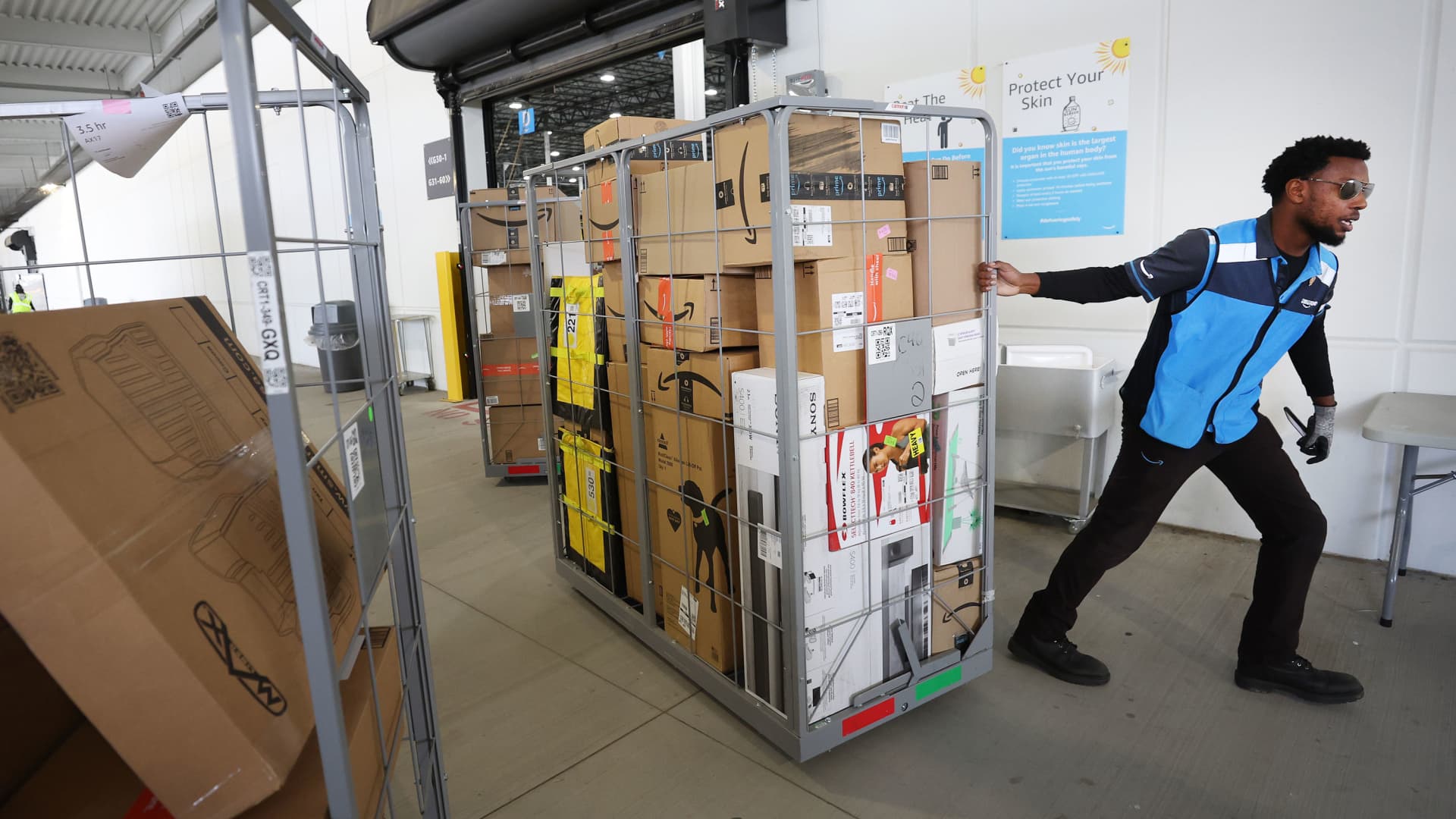
Amazon warned New York City customers they face up to $5 per-order price increases if the city passes Mayor Zohran Mamdani's proposed delivery labor legislation. The bill would impose stricter contractor classification and wage standards on delivery platforms; Amazon has lobbied heavily against it, while data shows NYC uses twice as many delivery contractors as Amazon does at a larger scale.
Key points
Market impact. Amazon's pricing threat signals willingness to absorb margin compression or pass costs to consumers rather than reclassify contractors, a stance that may embolden other cities to pursue similar legislation. If the bill passes and Amazon follows through on price increases, it could dampen NYC e-commerce demand and benefit competitors with lower delivery cost structures. Investor focus shifts to Amazon's ability to maintain unit economics under regulatory pressure.
Sources (3)CNBC Top Stories, New York Post Business