Nvidia CEO Jensen Huang has resigned following an affair, triggering a cascade of revelations about his management style, which employees describe as fear-based, and allegations that his wife was involved in chip smuggling. The board's swift removal of Huang has drawn criticism from investors like Bill Ackman, who argue the decision was rushed and not in shareholders' interests.
Key points
Market impact. Nvidia faces immediate talent flight risk as top engineers reassess their commitment to the company. The scandal compounds existing stock pressure—Nvidia is on track for its worst weekly performance since 2008—and raises questions about continuity in a firm that has become synonymous with AI leadership and supply chain control.
Broader implications. The chip smuggling allegations invite heightened regulatory scrutiny and potential export control tightening at a moment when the U.S. is already restricting AI chip sales to China. Leadership instability at Nvidia could reshape the geopolitical calculus around semiconductor dominance and AI capability distribution.
Sources (4)TechCrunch, New York Post Business, Business Insider
The S&P 500 is tracking its seventh consecutive day of losses, marking its longest losing streak in nearly five years. The Nasdaq has fallen more than 2%, and Bitcoin has dropped below $60,000 for the first time since July, signaling a broad de-risking across equities and crypto as investors reassess AI valuations and economic growth assumptions.
Key points
Market impact. The selloff is cascading globally: SoftBank plunged 16%, South Korea's KOSPI and Japan's Nikkei 225 both fell over 4%, and the region is on track for its worst week since 2020. Semiconductor and AI-exposed names are bearing the brunt, with TSMC and SK Hynix under pressure as macro uncertainty and AI profitability concerns collide.
Broader implications. The streak reflects a fundamental repricing of AI-driven growth narratives and signals that markets are pricing in harder landing risks than Wall Street consensus currently acknowledges. This volatility could trigger forced selling in target-date funds and passive vehicles heavily weighted to tech.
Sources (3)Cointelegraph, CBS Money Watch, Market Watch
Anthropic's public debut has triggered a sharp repricing of AI sentiment, with the company's shares falling to $87 and dragging down broader AI and tech equities. The weak IPO reception signals investor skepticism about AI startup profitability and the sustainability of venture-backed AI burn rates in a higher-rate environment.
Key points
Market impact. The Anthropic stumble is accelerating the broader AI selloff, with Bitcoin and risk assets declining in tandem as traders reassess AI capex returns and the path to profitability for frontier model companies. The IPO serves as a reality check on the gap between private valuations and public market expectations.
Broader implications. This marks a potential inflection point in AI funding narratives. If Anthropic—one of the best-funded AI labs—cannot command a premium valuation at IPO, the venture AI ecosystem faces a capital availability squeeze that could slow model development and consolidate the sector around better-capitalized incumbents like OpenAI and Google.
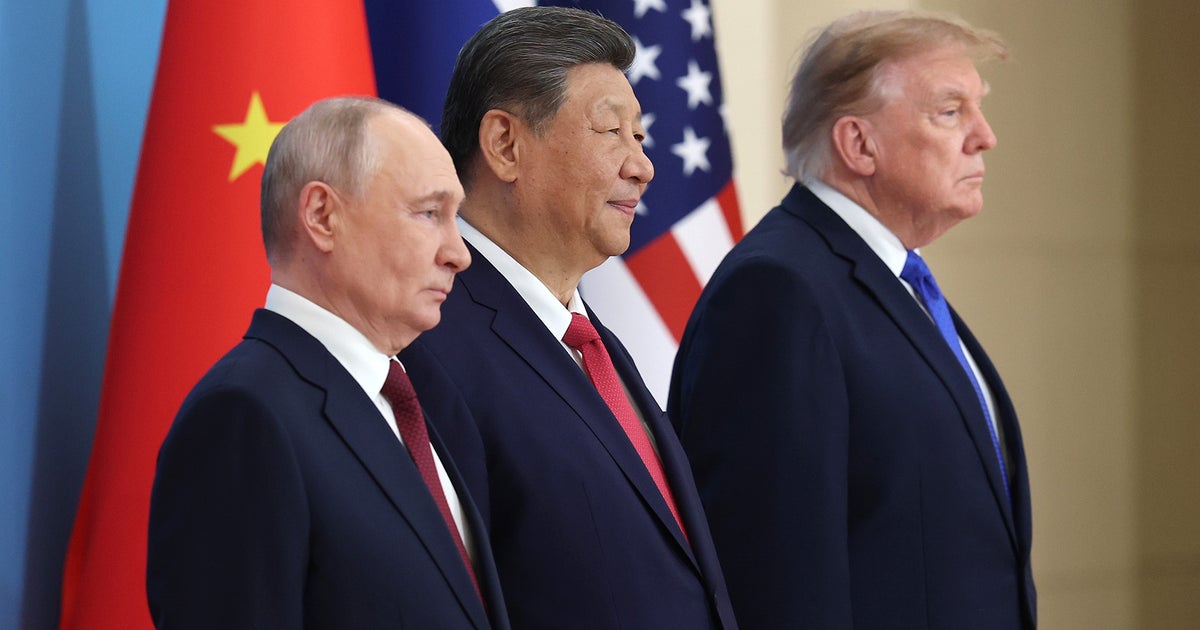
President Trump, Vladimir Putin, and Xi Jinping held a historic trilateral meeting in China, issuing a four-point joint peace declaration. Trump called Putin his friend and insisted the Russian leader wants to end the Ukraine war, though no concrete movement on a settlement emerged from the talks.
Key points
Market impact. The summit's ambiguity—symbolic gestures without substantive Ukraine resolution—leaves geopolitical risk priced in. Energy and defense sectors remain volatile pending clarity on sanctions regimes and NATO posture. The declaration's vagueness suggests markets should expect continued uncertainty rather than de-escalation.
Broader implications. The meeting signals Trump's intent to reorder U.S. foreign policy around great-power negotiation rather than alliance-building, but the lack of Ukraine progress indicates the gap between Trump's dealmaking ambitions and the structural complexity of the conflict. This could embolden further Russian aggression or Chinese assertiveness in Taiwan.
Bearish −173 sourcesjpmorgan · visa · mastercard · cyberattack
A ransomware group has leaked customer data from JPMorgan Chase, Visa, and Mastercard after compromising third-party vendors. JPMorgan confirmed that some customer data may have been exposed through outside vendors and is offering free credit monitoring to affected customers.
Key points
Market impact. The breach exposes systemic third-party risk in financial infrastructure and could trigger regulatory scrutiny of vendor management practices across the banking sector. Reputational damage and potential litigation costs are modest for mega-cap financial institutions, but the incident underscores cybersecurity as an ongoing operational risk.
Broader implications. This breach is part of a pattern of financial sector cyberattacks that may prompt regulators to tighten third-party risk frameworks and incident disclosure requirements. The incident also highlights the concentration risk in payment networks and the vulnerability of critical financial infrastructure to supply-chain compromise.
Sources (3)CBS News, Business Insider, The Daily Caller
Strong bearish −861 sourcedata center · construction · ai demand
U.S. data center construction costs have jumped 13% in 2026 as demand for large facilities driven by AI workloads continues to exceed available supply. The cost inflation reflects labor shortages, material scarcity, and competitive bidding for prime real estate and power infrastructure.
Key points
Market impact. Higher capex costs for hyperscalers like Amazon, Microsoft, and Google will compress near-term margins and delay profitability timelines for AI services. Real estate and construction companies benefit from elevated pricing, but the cost inflation may slow AI infrastructure buildout and extend the timeline to AI ROI realization.
Broader implications. The construction bottleneck creates a structural constraint on AI scaling and could entrench competitive advantages for incumbents with existing data center footprints. This also raises questions about the sustainability of AI capex spending if construction costs continue to rise faster than revenue growth from AI services.
Iran has ramped up retaliatory strikes against U.S. allies in the Persian Gulf, with Bahrain and Kuwait reporting interceptions of Iranian missiles and drones. Iran's military claimed to have targeted U.S. drone and missile sites at Kuwait's Ali Al Salem air base, marking an escalation in direct military action.
Key points
Market impact. The escalation threatens regional oil infrastructure and shipping lanes, creating upside risk to crude prices and insurance costs for tankers. Energy markets are pricing in geopolitical premium, but the attacks remain below the threshold of major supply disruption. Continued escalation could trigger broader regional conflict and spike oil volatility.
Broader implications. The Iranian attacks signal Tehran's willingness to directly confront U.S. military presence and test American resolve under the Trump administration. This could prompt a U.S. military response and further destabilize the region, particularly if Trump's diplomatic overtures to Putin and Xi are perceived as a withdrawal of U.S. commitment to Gulf security.
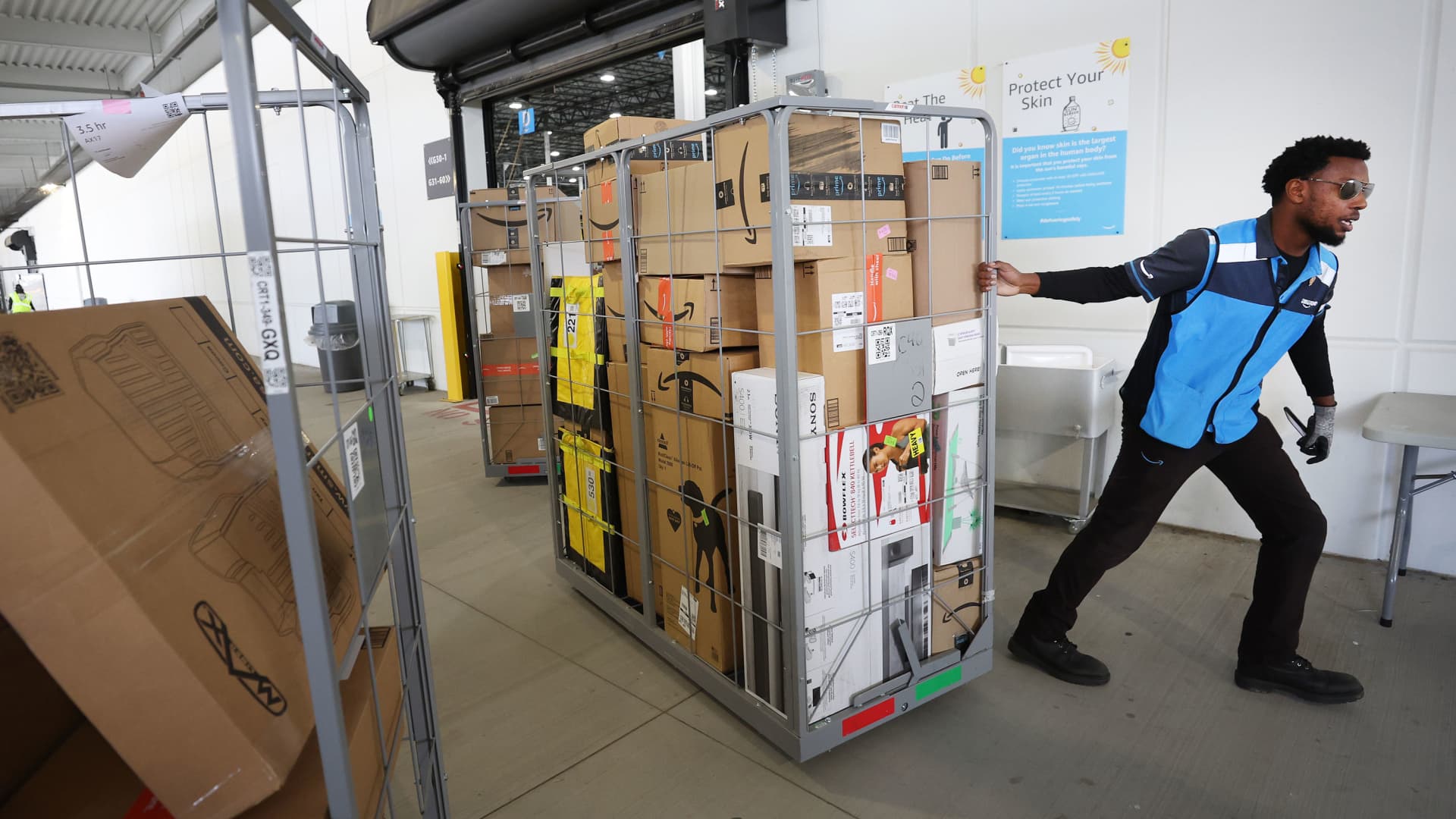
Amazon has warned New York City customers they will face price increases of up to $5 per order if Mayor Zohran Mamdani's proposed delivery regulation passes. The bill would impose stricter labor and contractor standards on last-mile delivery services, directly targeting Amazon's subcontracting model.
Key points
Market impact. The threat signals Amazon's willingness to absorb regulatory costs through consumer pricing rather than operational restructuring. If the bill passes and Amazon follows through, NYC e-commerce volumes could decline, benefiting competitors like Walmart and Target. The outcome will set precedent for other cities considering similar regulations.
Broader implications. This represents a broader tension between gig-economy efficiency and labor protections. Amazon's public pushback suggests the company views the regulatory environment as hostile and may reduce service levels or investment in high-cost jurisdictions, potentially accelerating a shift toward direct employment models or automation in logistics.
Sources (2)CNBC Top Stories, New York Post Business
A technology meltdown in air traffic control systems forced the FAA to impose a rare nationwide ground stop on Friday. Investigators are still searching for the root cause, though the incident has prompted Transportation Secretary Sean Duffy to renew calls for $50 billion in FAA funding and pause new router installations pending a full review.