Anthropic debuted on Nasdaq Thursday at $111.50 per share, $27 above its $83 IPO price, raising $81 billion in new capital—surpassing SpaceX's June record of $75 billion. CEO Dario Amodei signaled appetite for debt financing immediately after the close, indicating plans for aggressive expansion.
Key points
Market impact. The blockbuster debut validates AI infrastructure valuations and fuels venture capital momentum in frontier AI. Anthropic's Public Benefit Foundation structure will channel a portion of gains to charitable causes, setting a precedent for AI company governance. The IPO's success signals sustained institutional appetite for AI despite recent tech outage concerns.
Broader implications. Anthropic's scale-up capital now positions it as a direct competitor to OpenAI and Google in the race for AI dominance. The company's immediate debt financing plans suggest capital intensity in frontier AI is accelerating beyond equity markets' ability to fund alone.
Sources (4)TechCrunch, CNBC Top Stories, New York Post Business
Nvidia co-founder Jensen Huang has resigned following revelations of an affair; his wife is now accused of involvement in chip smuggling. Interim CEO Colette Kress addressed employees to stabilize morale, but the scandal compounds scrutiny Nvidia already faces over export controls and national security concerns.
Key points
Market impact. The leadership vacuum threatens Nvidia's engineering retention at a critical moment—reports indicate top talent is already exploring exits. Tokenized Nvidia market cap surged 159% on the news, suggesting retail traders view the departure as bullish, but institutional investors face governance and continuity risks.
Broader implications. Chip smuggling allegations could trigger federal investigation and complicate Nvidia's relationship with the Commerce Department, already tense over sales to Chinese military-linked entities. The scandal exposes vulnerabilities in Nvidia's compliance infrastructure at a time when U.S.-China tech competition is intensifying.
Sources (3)New York Post Business, TechCrunch, Business Insider
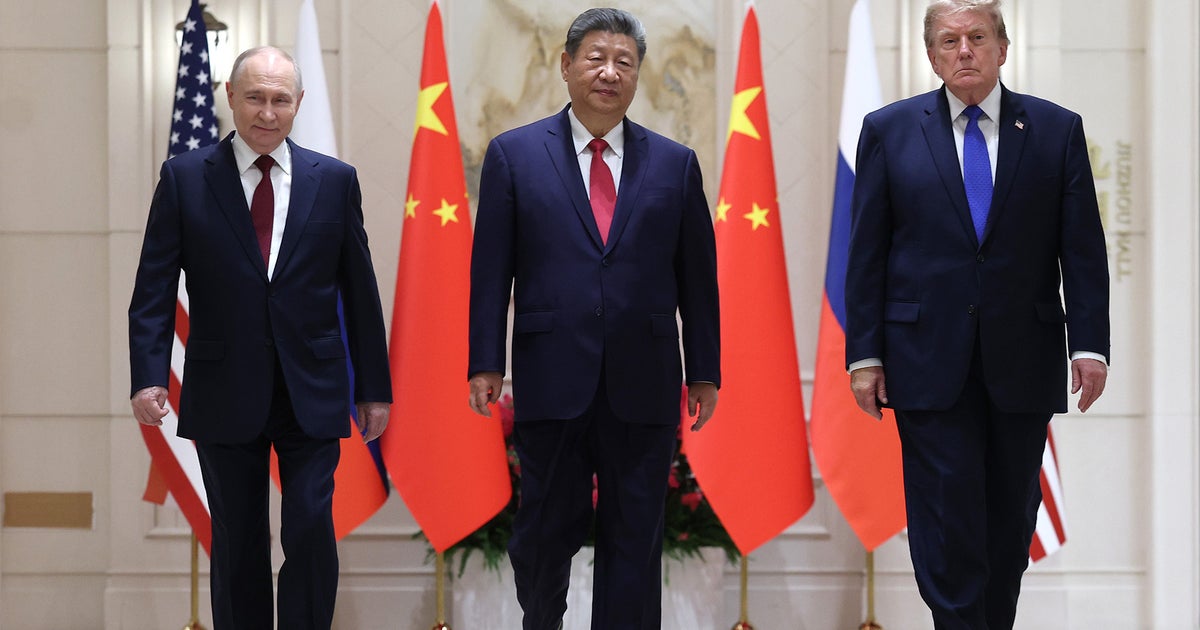
Trump, Xi Jinping, and Vladimir Putin signed a four-point joint declaration at APEC in China, marking the first trilateral summit of its kind. The statement commits the three leaders to reforming the United Nations and removing limits on executive power, but produced no breakthrough on Ukraine or arms control.
Key points
Market impact. The summit's lack of concrete Ukraine resolution keeps geopolitical risk premiums embedded in energy and defense stocks. Equity markets will parse the declaration's language on trade and sanctions relief, though the focus on UN reform signals potential shifts in multilateral governance that could affect corporate regulatory exposure.
Broader implications. The alignment of Trump, Xi, and Putin on limiting institutional checks represents a significant realignment of global power dynamics, with implications for democratic governance and international law. The absence of Ukraine progress suggests military conflict will persist, sustaining defense spending and commodity volatility.
Bearish −254 sourcesjpmorgan · visa · mastercard · cyberattack
A ransomware group leaked customer data from JPMorgan Chase, Visa, and Mastercard after compromising third-party vendors. JPMorgan confirmed that marketing data held by outside vendors was accessed; the bank is offering free credit monitoring to affected customers.
Key points
Market impact. The breach exposes systemic vulnerability in financial infrastructure and third-party risk management. Regulatory scrutiny will intensify on JPMorgan's vendor controls, potentially triggering compliance costs and fines. Payment processors Visa and Mastercard face reputational damage and may face pressure to tighten merchant security requirements.
Broader implications. The incident underscores the financial sector's exposure to supply chain cyber risk as attackers target vendors rather than primary targets. This follows a pattern of breaches exploiting third-party access, signaling that regulatory frameworks may shift to mandate vendor security audits and liability frameworks.
Sources (4)CBS News, Business Insider, The Daily Caller +1
Microsoft CEO Satya Nadella warned that AI will trigger additional outages after a "perfect storm" of factors crippled his own company's services. He noted that vast swaths of critical infrastructure lack the ability to be patched, creating systemic vulnerability as AI-driven cyberattacks accelerate.
Key points
Market impact. The warning pressures cloud infrastructure stocks and raises questions about Microsoft's operational resilience. Cybersecurity vendors and managed services providers stand to benefit from increased demand for outage mitigation. Enterprise customers may demand service level agreement renegotiations or diversification away from single-vendor dependency.
Broader implications. Nadella's acknowledgment that critical systems are fundamentally unpatchable signals a structural shift in how markets should price operational risk. Governments and regulators will face pressure to mandate infrastructure modernization, creating long-term capex cycles but also exposing the fragility of legacy systems supporting modern economies.
Intuit issued a downbeat outlook, signaling weakness in its TurboTax and financial software franchises. The guidance reflects slowing demand and margin pressure as customers reassess spending on legacy software platforms.
Key points
Market impact. The miss reignites concerns about software-as-a-service saturation and the vulnerability of subscription-dependent business models to economic slowdown. Peers like Salesforce, ServiceNow, and Adobe face renewed valuation pressure as investors question growth durability in mature software categories.
Broader implications. Intuit's weakness suggests that AI-driven automation and free alternatives are eroding pricing power in consumer and small-business software. The trend may accelerate consolidation as larger platforms absorb smaller competitors and investors rotate toward AI-native software companies with defensible moats.
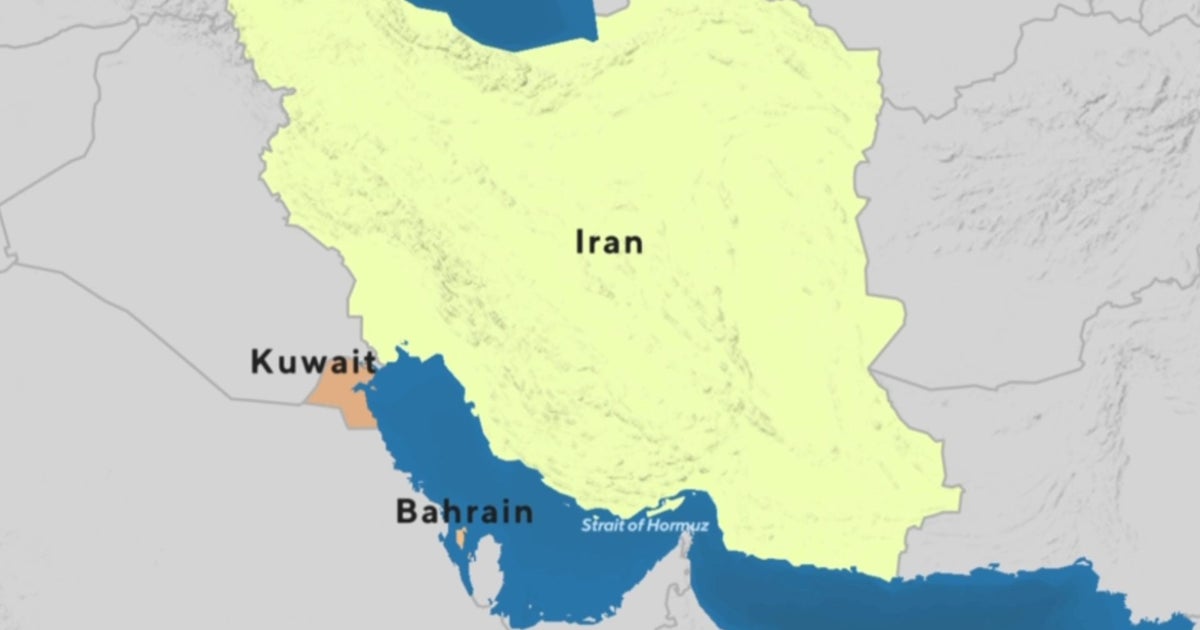
Iran has ramped up retaliatory strikes against U.S. allies in the Gulf, with Bahrain and Kuwait reporting interceptions of Iranian weapons. Iran's military claimed to have targeted U.S. drone and missile sites at Kuwait's Ali Al Salem air base, extending a pattern of escalating regional aggression.
Key points
Market impact. The escalation drives oil price volatility and raises shipping insurance costs through the Strait of Hormuz, a critical chokepoint for global energy supplies. Defense contractors benefit from increased military spending by Gulf allies, while energy companies face margin compression from elevated logistics costs.
Broader implications. Iran's willingness to directly target U.S. military assets signals a shift toward open confrontation rather than proxy warfare, raising the risk of direct U.S.-Iran conflict. Sustained regional instability will keep energy markets volatile and pressure global growth forecasts dependent on stable Middle East supply.
Bullish +194 sourcestesla · cybercab · subscription · berlin
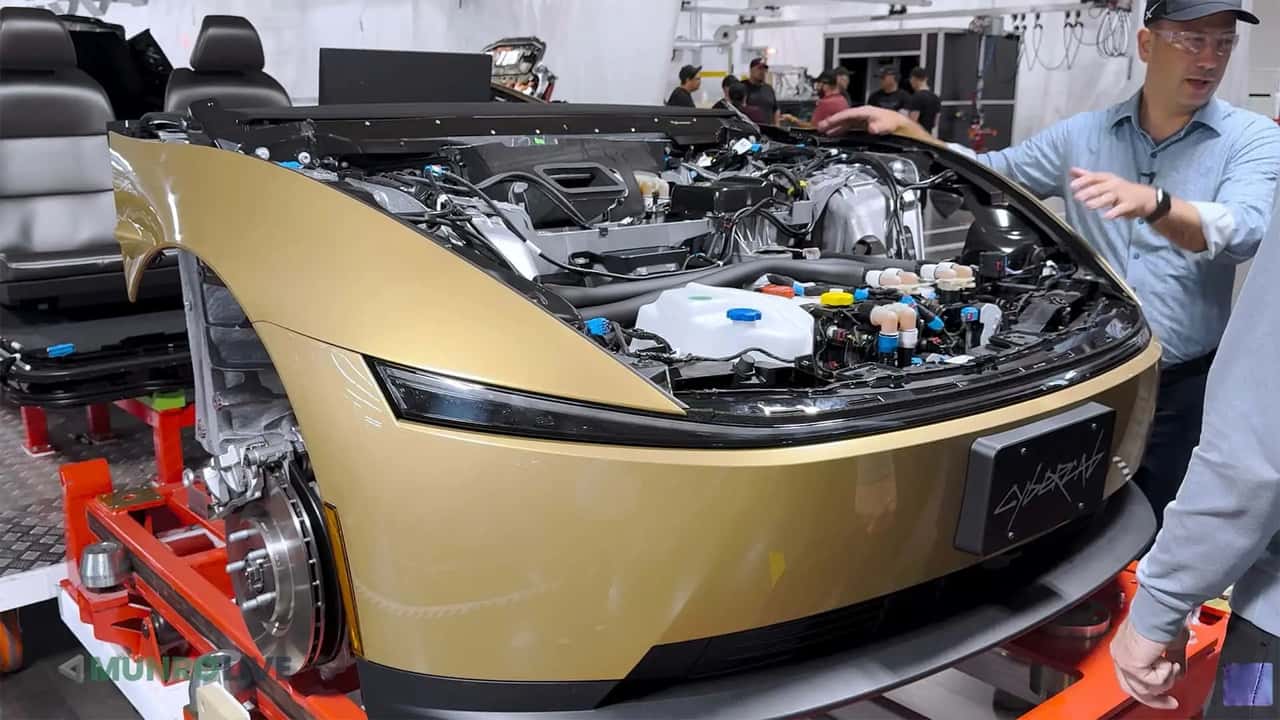
Tesla is investing €3 billion to expand Gigafactory Berlin for Cybercab production, targeting 1 million units annually. The company is offering reservations for personal robotaxis but tying functionality to a $299 monthly subscription; vehicles become non-functional if subscription lapses.
Key points
Market impact. The subscription model creates recurring revenue but raises consumer backlash risk and potential regulatory scrutiny over product functionality locks. Tesla's capex commitment signals confidence in autonomous vehicle demand but also exposes the company to execution risk if regulatory approval stalls or adoption lags forecasts.
Broader implications. Tesla's aggressive Cybercab rollout accelerates the shift toward subscription-based vehicle ownership, fundamentally altering automotive economics. The model threatens traditional dealership networks and creates new regulatory questions around consumer rights and vehicle ownership in an autonomous future.
Strong bearish −663 sourcespalmer luckey · anduril · ai defense
Palmer Luckey, co-founder of defense tech firm Anduril Industries, warned that the U.S. is falling behind in AI-driven warfare and that AI-powered cyberattacks are outpacing defensive capabilities. He blamed widespread tech outages on outdated infrastructure leaving systems vulnerable to AI-enabled attacks.
Key points
Market impact. The warning amplifies demand for defense AI contractors and cybersecurity vendors. Anduril and peers like Palantir stand to benefit from accelerated Pentagon spending on AI systems. Defense budgets will likely shift toward autonomous systems and AI infrastructure, creating tailwinds for specialized defense tech companies.