The S&P 500 and Dow entered correction territory Friday as the Nasdaq suffered its worst week since 2020, with all 11 sectors finishing down more than 1% for the first time since April 2025. The Nasdaq composite erased its 2026 gains, while the S&P 500 posted its longest losing streak since February 2020 with seven consecutive down days.
Key points
Market impact. Mega-cap AI stocks—which carry outsized weight in the indices—drove the selloff as investors reassessed valuations and capital deployment. Nvidia plunged 12% for its longest weekly losing streak since the 2008 financial crisis, falling from the world's most valuable company to third place behind Apple and Microsoft. Prediction market odds for the S&P 500 reaching 8,000 collapsed from over 70% to extremely low levels.
Broader implications. The breadth of the decline—every sector red—signals a rotation away from growth and AI concentration risk rather than sector-specific weakness. This marks a potential inflection point for the 2026 bull market composition and raises questions about whether AI capex spending justifies current valuations.
Sources (3)Market Watch, NPR Business, New York Post Business
A major semiconductor index posted its worst weekly performance in 25 years, erasing $2.3 trillion in market value as panic gripped the AI trade. Nvidia's 12% weekly plunge marked its longest losing streak since the 2008 financial crisis, despite the company maintaining record chip sales.
Key points
Market impact. The disconnect between record chip sales and collapsing stock prices reflects investor skepticism about whether AI infrastructure spending will generate adequate returns. Nvidia's fall from most-valuable to third-most-valuable company signals a fundamental repricing of semiconductor sector multiples and AI capex ROI assumptions.
Broader implications. The chip sector rout is contagious: Asian semiconductor stocks including SK Hynix, Samsung, and TSMC fell sharply as the selloff spread globally, with South Korea's KOSPI and Japan's Nikkei 225 both down over 4%. This suggests a structural reassessment of AI infrastructure economics across the entire supply chain.
Sources (2)CNBC Top Stories, New York Times Business
Anthropic's $81 billion Nasdaq debut Thursday initially appeared successful but shares collapsed Friday as the broader AI selloff accelerated, with the stock losing nearly 10% on day two. The IPO coincided with the Nasdaq erasing all 2026 gains and triggered a reassessment of AI spending valuations across the sector.
Key points
Market impact. Anthropic's stumble signals investor fatigue with mega-cap AI IPOs and raises questions about capital allocation in the AI infrastructure space. Billions of locked-up shares are set to flood the market over the next year, creating potential overhang pressure on the stock and broader AI sentiment.
Broader implications. The IPO's poor reception suggests the market is pricing in slower AI monetization timelines and higher competitive risk. Crypto investors beat Wall Street to the trade, indicating sophisticated capital saw execution risk earlier than traditional markets.
Sources (2)New York Post Business, The Guardian Business
President Trump threatened a "tremendous tax" on U.S. tech companies building data centers outside the country, signaling a policy shift to force AI infrastructure investment domestically. The threat came as Trump returned from Asia and offered little clarity on implementation mechanics or specific tariff rates.
Key points
Market impact. The threat directly targets Amazon, Google, Meta, and Microsoft—the primary drivers of global data center capex—and could force a costly reallocation of infrastructure spending to higher-cost U.S. locations. This adds regulatory uncertainty to AI capex forecasts already under pressure from valuation concerns.
Broader implications. The policy reflects Trump's nationalist approach to AI competition with China and could fragment global data center markets, raising costs and complexity for multinational tech firms. It also signals potential friction between Trump's pro-business rhetoric and protectionist actions on strategic infrastructure.
Sources (3)Business Insider, Market Watch, Washington Post Politics
Nvidia's ousted CEO Jensen Huang resigned following an affair, but the scandal extends far deeper: reports emerged that Huang had at least three affairs, managed through fear-based leadership, and faced mounting scrutiny over national security implications after his wife was accused of chip smuggling. The management style reportedly built on fear contradicts public narratives about employee loyalty.
Key points
Market impact. The leadership vacuum at Nvidia compounds the stock's technical weakness, raising questions about succession planning and operational continuity at the world's most critical AI chip supplier. The scandal creates reputational risk and potential regulatory exposure that could complicate Nvidia's already-challenged valuation recovery.
Broader implications. The chip smuggling allegations carry national security implications and could trigger tighter export controls on AI semiconductors to China, further constraining Nvidia's addressable market. The scandal also raises governance questions about how such conduct went unaddressed at a $3 trillion company.
Strong bearish −892 sourcessoftbank · nikkei · asian stocks
SoftBank plunged over 16% Friday as the AI selloff spread to Asia, with Japan's Nikkei 225 falling 4.5% and South Korea's KOSPI sinking over 4%—putting both markets on track for their worst week since 2020. The contagion reflects Asia's deep exposure to semiconductor and AI infrastructure plays.
Key points
Market impact. SoftBank's massive Vision Fund positions in Nvidia, ARM, and other AI infrastructure names amplified losses, while Samsung and SK Hynix—critical chip suppliers—suffered alongside their U.S. counterparts. The synchronized decline signals that AI valuation concerns are global, not U.S.-specific.
Broader implications. Asia's worst week since 2020 underscores how concentrated AI capex bets have become across developed markets and how quickly sentiment can reverse when growth assumptions are questioned. The selloff may force Asian central banks to recalibrate growth forecasts and policy assumptions.
Bearish −333 sourcesjpmorgan · visa · mastercard · cyberattack
A ransomware group leaked customer data from JPMorgan Chase, Visa, and Mastercard after compromising outside vendors, exposing thousands of customers' sensitive information including marketing data. JPMorgan confirmed some customer data may have been accessed and plans to offer free credit monitoring.
Key points
Market impact. The breach adds regulatory and reputational risk to three of the world's largest financial services companies and raises questions about vendor risk management across the payments ecosystem. Potential fines, litigation, and remediation costs could exceed hundreds of millions of dollars.
Broader implications. The attack highlights systemic vulnerability in financial infrastructure and follows a string of major cyberattacks on critical institutions. It may accelerate regulatory pressure for enhanced cybersecurity standards and vendor oversight across the payments industry.
Sources (3)CBS News, The Daily Caller, New York Post Business
Procter & Gamble announced plans to cut up to 30% of its manufacturing and logistics workforce by 2030 as part of a $10 billion cost-reduction initiative. The company, which has raised its dividend for 70 consecutive years, signaled aggressive restructuring despite maintaining its dividend appeal to investors.
Key points
Market impact. The restructuring targets manufacturing and logistics—areas most vulnerable to automation and offshoring—and should improve operating margins and free cash flow available for dividends and buybacks. The scale of the reduction (30%) suggests P&G sees structural overcapacity in its supply chain.
Broader implications. P&G's aggressive cost-cutting reflects broader consumer staples sector pressure to offset inflation and maintain profitability amid slowing demand. The move signals that even dividend aristocrats are willing to undertake significant restructuring to preserve shareholder returns.
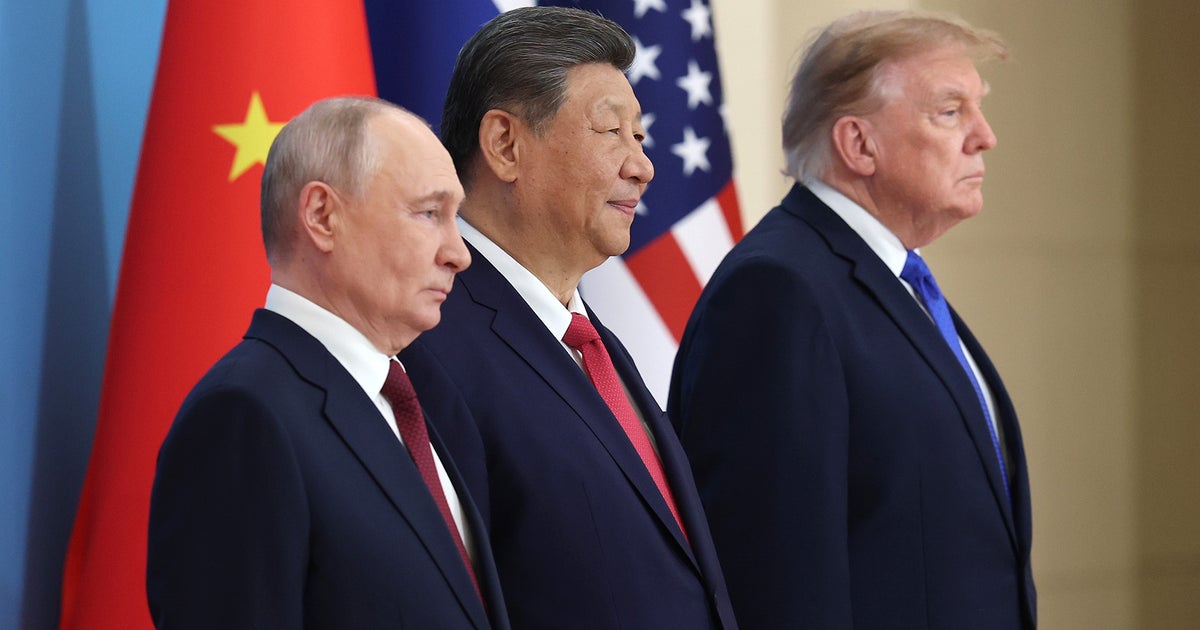
President Trump, Chinese President Xi Jinping, and Russian President Vladimir Putin signed a four-point joint declaration of peace following trilateral talks at APEC in China—a historic first for the three leaders. Trump called Putin his friend and insisted Putin wants to end the Ukraine war, prompting backlash from some world leaders.