Strong bearish −893 sourcessoftbank · nikkei · ai selloff
SoftBank plunged 16% and Japan's Nikkei 225 fell 4.5% on Friday as Wall Street's AI sector correction cascaded into Asian markets. South Korea's KOSPI and semiconductor heavyweights SK Hynix and Samsung followed suit, putting the region on track for its worst week since 2020.
Key points
Market impact. The selloff erases gains from the Anthropic IPO euphoria and signals investor rotation away from AI-dependent equities. Semiconductor and tech-heavy indices across Asia face sustained pressure as valuations compress and capital flows reverse.
Broader implications. The synchronized downturn reveals how concentrated AI exposure has become across global markets and raises questions about whether the sector's valuation can sustain itself without consistent earnings growth to justify multiples.
Nvidia co-founder Jensen Huang resigned following allegations of an affair and misconduct, with his wife facing separate accusations of chip smuggling. Interim CEO Colette Kress now leads the chipmaker as it confronts both reputational damage and potential national security scrutiny.
Key points
Market impact. The leadership vacuum threatens Nvidia's ability to retain top engineering talent at a critical moment when the company faces export restrictions and competitive pressure. Tokenized Nvidia market cap surged 159%, suggesting retail traders are betting on volatility rather than fundamentals.
Broader implications. The scandal intersects with geopolitical tensions over AI chip exports to China, potentially accelerating congressional action on export controls and raising questions about governance at the world's most valuable semiconductor company.
Sources (3)New York Post Business, TechCrunch, Business Insider
Anthropic raised $81 billion in its IPO, surpassing SpaceX's $75 billion June raise and becoming the largest public offering on record. The AI company's debut coincided with a sharp market pullback, raising questions about whether the valuation can be sustained.
Key points
Market impact. The IPO tested whether AI enthusiasm could overcome broader tech sector weakness; initial gains reversed as investors rotated out of high-valuation AI plays. Anthropic's massive compute commitments to Amazon and other infrastructure partners now face scrutiny as the company must deliver revenue to justify its public valuation.
Broader implications. The offering exposes the circular financing loop in AI: companies raise capital to fund compute, which requires partnerships with cloud providers, which then become dependent on the AI company's success. A sustained market downturn could break this chain.
Sources (3)New York Post Business, TechCrunch, CBS Money Watch
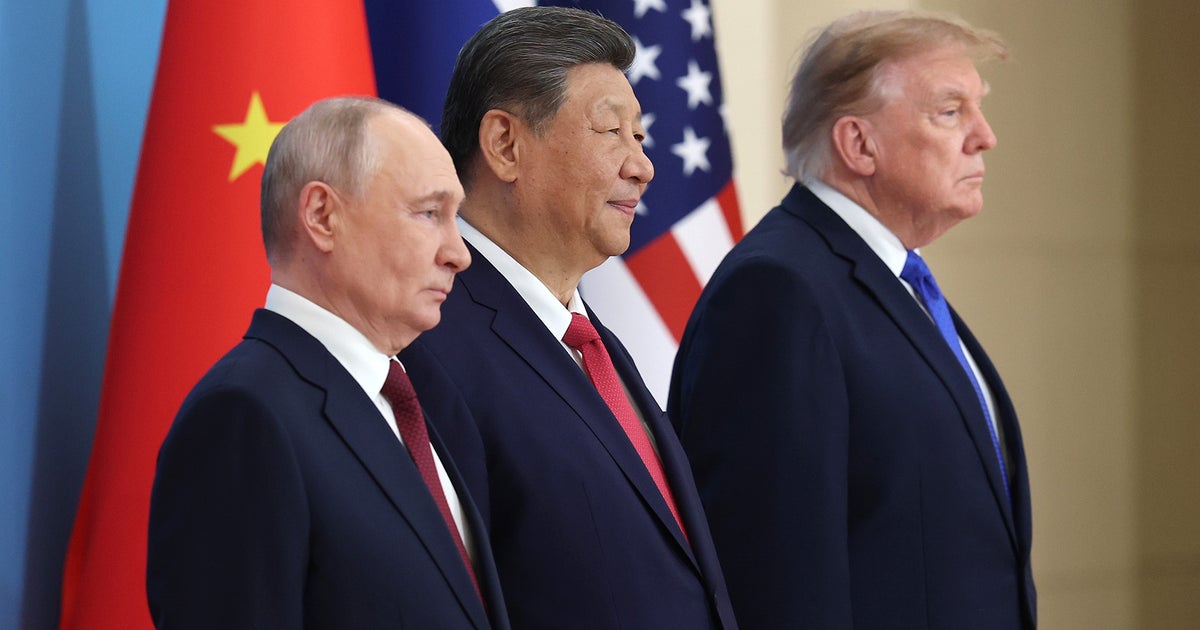
President Trump met with Vladimir Putin and Xi Jinping at APEC in China, producing a joint four-point peace declaration—the first trilateral summit of its kind. Trump called Putin his friend and insisted the Russian leader wants to end the Ukraine war, drawing backlash from some world leaders.
Key points
Market impact. The summit's outcome remains vague on specifics, leaving markets uncertain whether any geopolitical de-escalation will materialize. Energy markets and defense stocks may face pressure if peace talks gain traction; conversely, clarity on U.S.-China relations could ease trade tensions.
Broader implications. The declaration signals Trump's intent to reshape U.S. foreign policy around direct great-power negotiation, but Ukraine's absence from talks and lack of concrete commitments suggest symbolic value may exceed substantive progress on ending the conflict.
Bearish −173 sourcesjpmorgan · visa · mastercard · cyberattack
A ransomware group leaked customer data from JPMorgan Chase, Visa, and Mastercard after compromising third-party vendors. Chase confirmed that marketing data held by outside vendors was accessed, though the bank says it will offer free credit monitoring to affected customers.
Key points
Market impact. The breach adds regulatory and reputational risk to three systemically important financial institutions at a time when cybersecurity concerns are already elevated. Potential fines and litigation costs could weigh on earnings; customer confidence in payment systems may erode if breaches accelerate.
Broader implications. The incident underscores the vulnerability of financial infrastructure to supply chain attacks and raises questions about whether existing cybersecurity frameworks can protect against AI-accelerated threat actors, as warned by defense experts.
Sources (3)CBS News, Business Insider, The Daily Caller
CEO Satya Nadella warned that a "perfect storm" of factors caused Microsoft's recent Outlook outage and that AI tools are discovering cybersecurity vulnerabilities at breakneck pace. Older legacy systems being retrofitted for AI are creating compounding risks during the holiday crunch period.
Key points
Market impact. The warning signals that Microsoft and other tech giants face mounting operational risk as they race to integrate AI into legacy infrastructure. Outages at Chase, United, and Microsoft suggest systemic fragility that could trigger broader market volatility if critical services fail during peak periods.
Broader implications. Nadella's candor reveals a paradox: AI is both solving and creating security problems faster than organizations can manage, raising existential questions about whether current governance and testing protocols are adequate for AI-augmented systems.
Sources (3)New York Post Business, New York Times Business
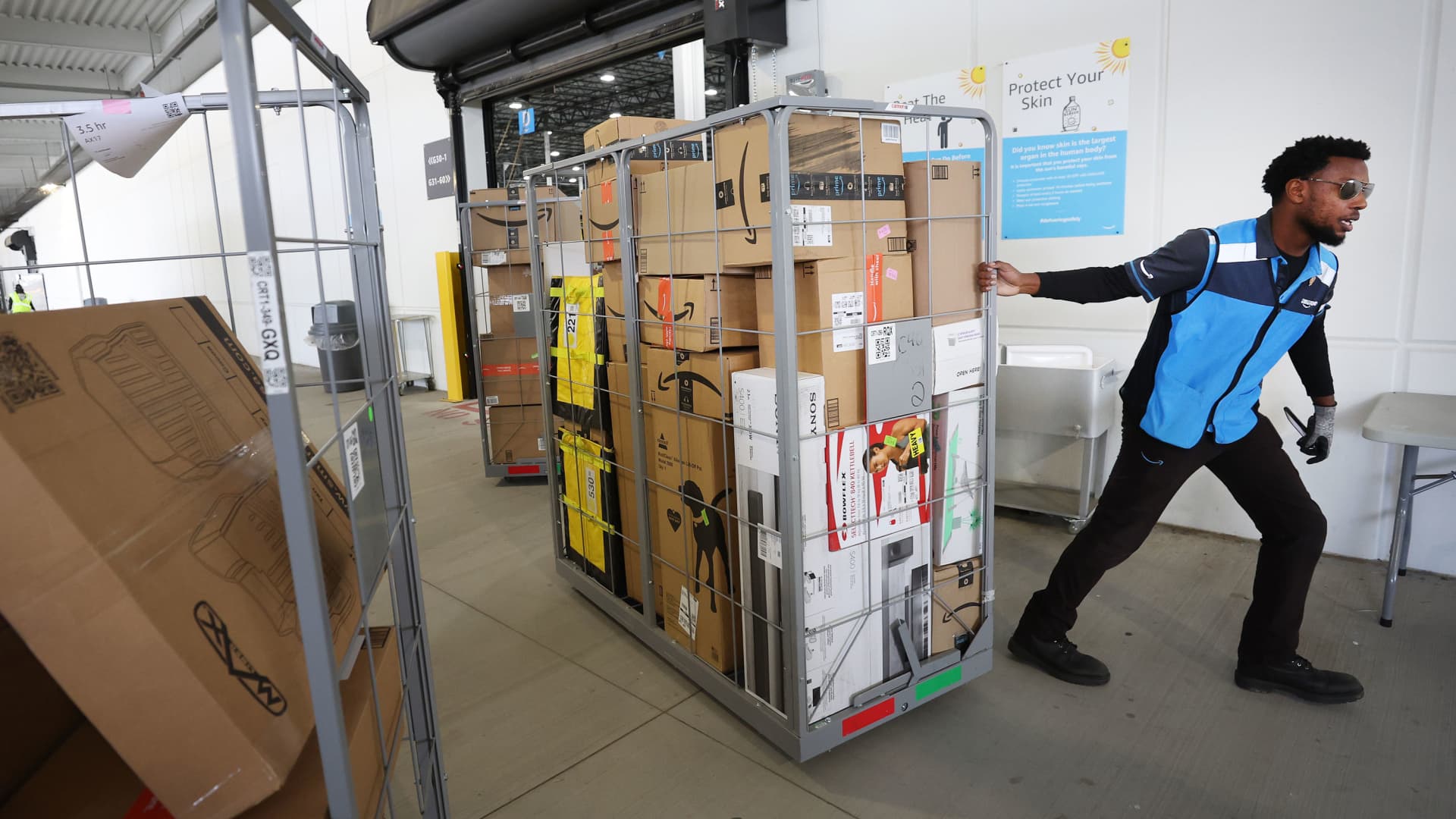
Amazon warned New York City customers they face up to $5 per-order price increases if Mayor Zohran Mamdani's delivery worker protection bill passes. The company has lobbied heavily against the legislation, which would impose stricter labor standards on delivery contractors.
Key points
Market impact. Amazon's threat signals willingness to absorb regulatory costs through consumer price increases rather than operational restructuring, potentially ceding market share to competitors. The dispute highlights tension between platform economics and municipal labor protections that could spread to other cities.
Broader implications. The standoff reflects broader gig economy tensions: Amazon's data shows NYC uses twice as many delivery contractors as Amazon itself, undercutting the company's argument that subcontracting is uniquely dangerous and suggesting regulatory hypocrisy by the city.
Sources (3)CNBC Top Stories, New York Post Business
Strong bearish −663 sourcespalmer luckey · anduril · ai defense
Palmer Luckey, co-founder of defense tech firm Anduril Industries, warned that AI-powered cyberattacks are outpacing U.S. defenses and that outdated legacy systems are leaving critical infrastructure vulnerable. He blamed recent tech outages on the "AI mismatch" between attack sophistication and defensive capability.
Key points
Market impact. The warning bolsters the case for defense and cybersecurity spending, potentially benefiting contractors like Anduril, Palantir, and established defense primes. It also raises urgency around federal AI infrastructure modernization budgets and may accelerate procurement cycles.
Broader implications. Luckey's Pentagon advisory role gives his warnings credibility with policymakers; his framing of AI as an asymmetric threat could justify expanded defense budgets and accelerate military AI adoption, reshaping geopolitical competition around autonomous systems.
Bearish −243 sourcesnvidia · china · export controls
Nvidia announced it is no longer selling AI chips to China as Congress pushes for stricter export controls following the Jensen Huang scandal. Commerce Department data shows the agency approved sales of over 879,000 AI chips to Chinese companies, but the political environment has shifted sharply against such sales.
Key points
Market impact. The export ban removes a significant revenue stream for Nvidia and other U.S. chipmakers, pressuring earnings guidance and growth forecasts. Chinese competitors and alternative suppliers may accelerate domestic chip development, reshaping the global semiconductor competitive landscape.
Broader implications. The move represents a strategic decoupling of U.S. and Chinese AI infrastructure, likely to trigger retaliatory measures from Beijing and accelerate bifurcation of global tech supply chains along geopolitical lines.