Jensen Huang has resigned as Nvidia CEO following an affair and alleged management misconduct, with reports surfacing that he berated executives and that his wife faces chip smuggling accusations. The board's swift removal of Huang—whom Elon Musk claimed employees "love"—has triggered immediate backlash from investors including Bill Ackman, who called the decision "rushed to judgment."
Key points
Market impact. Nvidia faces a critical talent retention crisis as engineers and top performers weigh departures amid leadership instability. The scandal compounds existing pressure on Nvidia stock, which is already tracking its worst weekly performance since 2008, as the broader AI selloff intensifies.
Broader implications. The ouster raises national security concerns given allegations of chip smuggling and triggers scrutiny over export controls on AI semiconductors to China. Nvidia's governance crisis arrives at a moment when the company's dominance in AI chips is under geopolitical pressure and competitive threat.
Sources (5)TechCrunch, New York Post Business, Business Insider
The S&P 500 is on track for its seventh consecutive day of losses, marking its longest losing streak since February 2020, with the Nasdaq dropping over 2% as Anthropic's IPO disappoints and AI valuations face reassessment. Bitcoin has fallen below $60,000 for the first time since July, shedding nearly 6% as risk assets across all classes sell off in tandem.
Key points
Market impact. The selloff is broad-based: SoftBank plunged 16%, South Korea's KOSPI and Japan's Nikkei 225 each fell over 4%, putting Asian equities on track for their worst week since 2020. Semiconductor and AI-exposed stocks are bearing the brunt, with TSMC and SK Hynix also under pressure as investors reassess AI spending and profitability timelines.
Broader implications. The rout signals a potential hard landing in AI enthusiasm and raises questions about whether the sector's capital intensity can justify current valuations. Bank of America strategists warn of a "doom loop" if recession risks materialize, with Wall Street underpricing downside scenarios.
Sources (3)Cointelegraph, CBS Money Watch, Market Watch
Strong bearish −673 sourcesbitcoin · crypto · digital gold
Bitcoin has collapsed below $60,000 for the first time since July, falling nearly 6% as equities tank and Anthropic's IPO disappoints, proving once again that crypto fails to act as a hedge during risk-off environments. The sell-off mirrors broader equity weakness, contradicting the "digital gold" narrative that Bitcoin should decouple from stock market stress.
Key points
Market impact. Bitcoin's correlation with equities remains stubbornly positive, with crypto traders reassessing AI investment prospects and ETF flows turning negative. The move suggests institutional conviction in Bitcoin as a safe haven remains fragile.
Broader implications. The breakdown reinforces skepticism about crypto's macroeconomic utility and raises questions about whether recent Bitcoin strength was driven by AI enthusiasm rather than fundamental adoption. Political uncertainty and interest rate expectations are also weighing on sentiment.
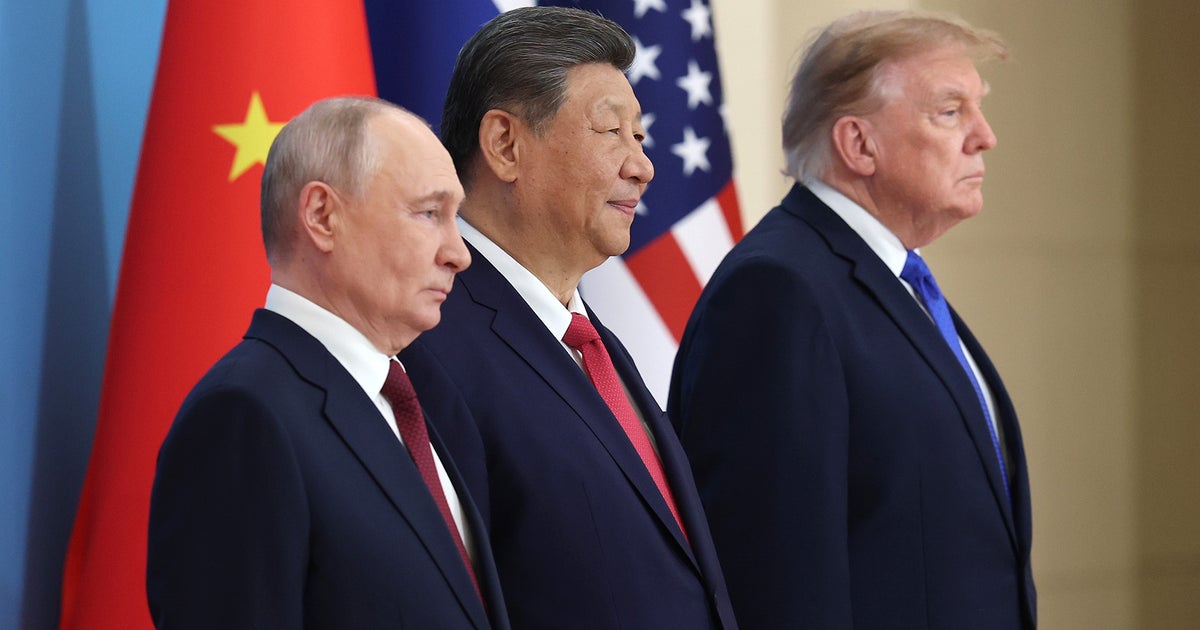
President Trump, Vladimir Putin, and Xi Jinping signed a historic joint peace declaration at APEC in China, marking the first trilateral summit of its kind. Trump called Putin "his friend" and insisted the Russian leader wants to end the Ukraine war, but the summit produced no concrete movement on a settlement despite weeks of diplomatic buildup.
Key points
Market impact. The lack of tangible Ukraine progress limits upside for risk assets that had priced in potential de-escalation. Geopolitical uncertainty remains elevated, supporting safe-haven demand for bonds and pressuring equities already weakened by AI concerns.
Broader implications. The summit signals Trump's intent to reshape U.S. foreign policy around great-power diplomacy, but the absence of a Ukraine deal suggests either Putin's unwillingness to negotiate or Trump's limited leverage. The declaration's vagueness leaves room for continued geopolitical friction.
Bearish −254 sourcesjpmorgan · visa · mastercard · cyberattack
A ransomware group has leaked customer data from JPMorgan Chase, Visa, and Mastercard after compromising third-party vendors, with hackers likely accessing marketing data held by outside service providers. JPMorgan confirmed some customer information may have been exposed and plans to offer free credit monitoring.
Key points
Market impact. The breach adds regulatory and reputational risk to three of the world's largest financial institutions at a moment when financial sector confidence is already fragile. Expect heightened scrutiny of vendor management practices and potential compliance costs across the industry.
Broader implications. The incident underscores systemic vulnerability in financial infrastructure and third-party dependencies, raising questions about whether current cybersecurity frameworks adequately protect against coordinated attacks on multiple payment systems simultaneously.
Sources (4)CBS News, Business Insider, The Daily Caller +1
SoftBank shares collapsed over 16% on Friday as the AI selloff spread from Wall Street to Asia, with Japan's Nikkei 225 falling 4.5% and South Korea's KOSPI also declining over 4%. The rout puts Asian equities on track for their worst week since 2020, with semiconductor and tech-heavy indices bearing the brunt.
Key points
Market impact. SoftBank's massive exposure to AI and tech startups makes it a proxy for investor sentiment on the sector's near-term profitability. The sharp decline signals that Asian institutional investors are now fully repricing AI valuations downward in line with U.S. markets.
Broader implications. The synchronized selloff across major Asian markets suggests the AI correction is no longer a U.S.-centric phenomenon and may reflect genuine concerns about capex returns rather than mere profit-taking. Regional growth expectations are at risk if tech spending momentum falters.
Strong bearish −861 sourcedata center · construction · ai infrastructure
Data center construction costs in the U.S. have jumped 13% in 2026 as demand for large facilities driven by AI needs has grown beyond available supply. The cost inflation reflects tight labor markets, material scarcity, and competition among cloud providers and AI companies for limited development capacity.
Key points
Market impact. Rising capex requirements for data center buildout will pressure margins for cloud providers and AI infrastructure companies, potentially extending payback periods for AI investments. Construction and materials suppliers benefit, but end-users face higher infrastructure costs.
Broader implications. The supply-demand imbalance in data center capacity may become a bottleneck for AI scaling, limiting the speed at which companies can deploy new models and services. This could slow AI commercialization timelines and justify current investor skepticism about near-term AI profitability.
Amazon has warned New York City customers they face price increases of up to $5 per order if the Mamdani delivery bill passes, which would impose stricter labor standards on delivery contractors. The company has lobbied heavily against the legislation, while NYC Mayor Zohran Mamdani backs the bill as a worker protection measure.
Key points
Market impact. A regulatory win for labor advocates could set a precedent for other cities and states, raising Amazon's operating costs and threatening the unit economics of fast delivery services. Amazon's threat to raise prices may backfire politically but signals the company views the regulation as materially costly.
Broader implications. The clash reflects broader tension between gig economy efficiency and labor protections, with Amazon's own data showing NYC uses twice as many delivery contractors as Amazon does—undermining the company's "safety" argument. Regulatory momentum is shifting toward worker classification and benefits.
Sources (4)CNBC Top Stories, New York Post Business, New York Times Business
Iran has ramped up retaliatory attacks against U.S. allies in the Persian Gulf, with Bahrain and Kuwait intercepting weapons and Iran claiming its military targeted U.S. drone and missile installations at Kuwait's Ali Al Salem air base. The escalation follows recent U.S. strikes and signals a dangerous cycle of tit-for-tat military action.