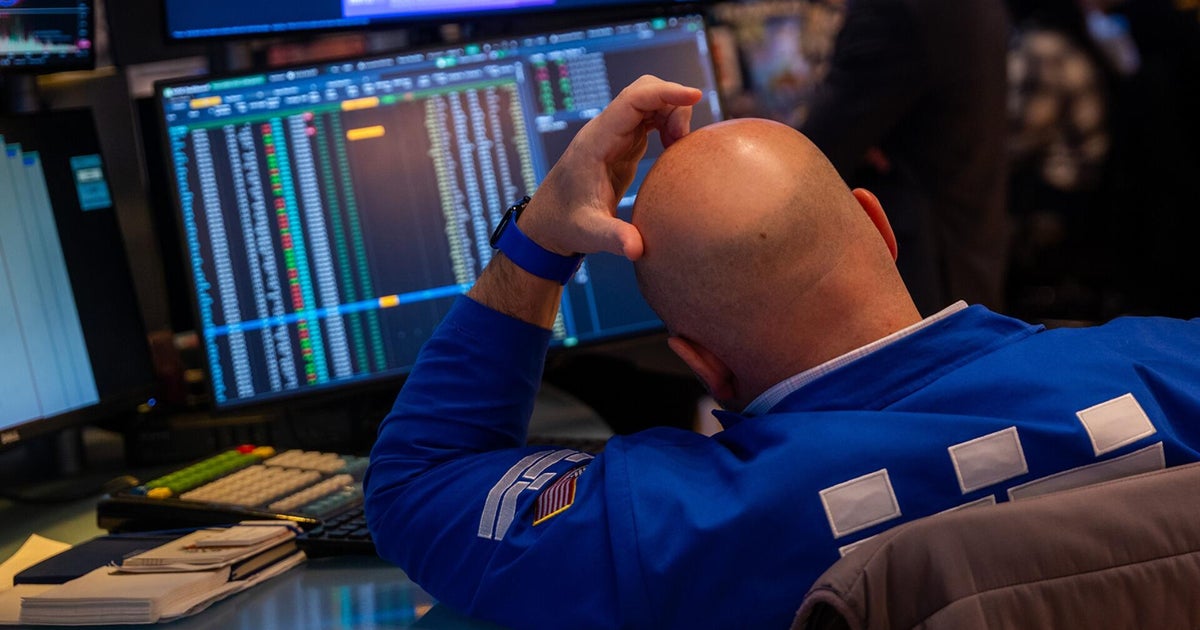
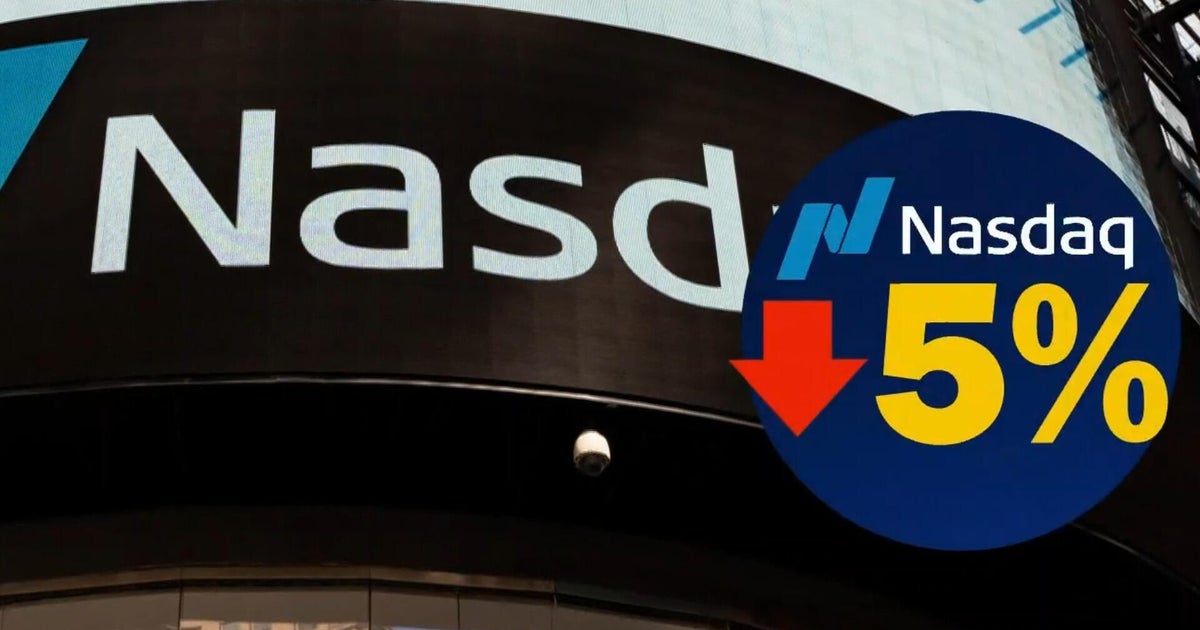
Nvidia stock plunged 12% this week, marking its longest losing streak since the 2008 financial crisis, as the semiconductor index suffered its worst weekly performance in 25 years. The selloff wiped $2.3 trillion from chip stocks globally, with all 11 S&P 500 sectors finishing down more than 1% for the first time since April 2025. The rout follows mounting scrutiny of ex-CEO Jensen Huang over alleged ties to Chinese espionage and questions about Nvidia's accounting practices under SEC review.
Key points
Market impact. The S&P 500 and Dow entered correction territory while the Nasdaq erased all 2026 gains, closing out its worst week since 2020. Nvidia, once the world's most valuable company, now ranks third behind Apple and Microsoft. The collapse signals investor panic over AI capex sustainability and raises questions about whether trillion-dollar valuations in the sector are justified.
Broader implications. The AI trade's credibility is under fire as Anthropic's record $81 billion IPO failed to stabilize markets, instead accelerating the selloff. Prediction markets now show odds of the S&P 500 reaching 8,000 have collapsed from over 70% to near zero, signaling a fundamental repricing of growth expectations.
Sources (3)CBS News, Market Watch, CNBC Top Stories
President Trump threatened a "tremendous tax" on tech companies building AI data centers outside the United States, signaling intent to weaponize tariffs against offshore infrastructure investment. The threat targets companies like Amazon, Microsoft, and Google, which have accelerated international data center buildouts to manage regulatory and energy constraints. Trump did not specify implementation details but framed the policy as protecting domestic AI leadership.
Key points
Market impact. The threat adds policy uncertainty to already-battered mega-cap tech stocks and could force a recalculation of capex budgets for cloud providers. Companies may face binary choices: repatriate investment to the U.S. at higher cost or absorb new tax liabilities. This compounds the sector's existing headwinds from the chip selloff and Anthropic's disappointing IPO debut.
Broader implications. The policy reflects Trump's protectionist stance on AI infrastructure and signals potential friction with allies over data sovereignty. It could reshape global AI investment patterns and raise costs for U.S. tech firms competing internationally, potentially slowing AI deployment outside North America.
Sources (3)CBS News, Business Insider, Market Watch
Anthropic's record-breaking $81 billion IPO on Thursday initially appeared successful, but shares collapsed on Friday as part of a broader AI sector rout. The company's market debut failed to arrest the selloff and instead accelerated it, with investors questioning whether massive capital expenditures in AI infrastructure can justify current valuations. Anthropic shares lost nearly 10% on day two of trading.
Key points
Market impact. The IPO's failure to hold gains signals investor skepticism about AI profitability timelines and return on capital. It also triggered a cascade of selling in other AI-exposed names, contributing to the worst week for the Nasdaq since 2020. The event exposed a fundamental disconnect between IPO pricing and post-listing reality in the AI sector.
Broader implications. Anthropic's stumble raises questions about whether the AI boom has peaked or merely corrected to more rational levels. The company's safety-first positioning and high burn rate now face heightened scrutiny as investors demand proof of near-term revenue growth and path to profitability.
Sources (3)CBS Money Watch, New York Post Business, The Guardian Business
Strong bearish −892 sourcessoftbank · asian stocks · nikkei
SoftBank shares crashed 16% on Friday as Wall Street's AI selloff cascaded into Asia, with the Nikkei 225 falling 4.5% and Japanese and South Korean tech stocks recording their worst week since 2020. SoftBank's massive Vision Fund exposure to AI infrastructure and startups made it a proxy for global AI sentiment deterioration. The contagion spread across Asia despite regional market independence.
Key points
Market impact. SoftBank's collapse signals that AI sector pain is no longer contained to U.S. equities; it now threatens emerging market tech exposure globally. The selloff pressures other Asia-focused tech investors and raises questions about Vision Fund valuations of AI startups and infrastructure plays. Regional indices face additional downside if U.S. volatility persists.
Broader implications. The spread to Asia demonstrates that AI capex bets are now a systemic risk across global markets. SoftBank's losses underscore the concentration of AI investment risk among a handful of mega-cap players and venture funds, amplifying volatility when sentiment shifts.
Bitcoin fell nearly 6% to below $60,000 for the first time since July as the broader market selloff dragged crypto lower alongside equities. The decline exposed crypto's persistent correlation with risk assets, contradicting the "digital gold" narrative that positions Bitcoin as a hedge during equity downturns. Experts cite ETF flows, interest rate expectations, and political uncertainty as drivers of the selloff.
Key points
Market impact. Bitcoin's failure to decouple from equities during a major selloff undermines its safe-haven status and may trigger forced liquidations in leveraged crypto positions. The move also pressures crypto-linked ETFs and destabilizes narrative-driven retail demand. A sustained break below $60K could accelerate downside toward $50K support levels.
Broader implications. Crypto's inability to act as a hedge during equity stress suggests the asset class remains primarily a risk-on trade. This undermines long-term institutional adoption arguments and may delay mainstream portfolio allocation to digital assets.
President Trump stated he discussed Jensen Huang's future at Nvidia with Chinese President Xi Jinping during their recent summit, contradicting Treasury Secretary Bessent's claim that Huang did not come up in bilateral talks. Trump said he "would love to see Jensen be given a second chance" at the company, signaling potential White House interest in reversing Huang's ouster amid allegations of ties to Chinese espionage. The comments inject geopolitical complexity into Nvidia's internal leadership crisis.
Key points
Market impact. Trump's intervention adds unpredictability to Nvidia's governance and could influence board decisions on Huang's reinstatement. A return of Huang amid ongoing SEC accounting probes and espionage allegations would likely trigger shareholder litigation and regulatory scrutiny. The statement also signals potential U.S.-China coordination on tech leadership, which could affect sanctions and export control policy.
Broader implications. The Trump-Xi discussion of Huang suggests U.S.-China tech relations may be thawing, potentially affecting semiconductor export restrictions and AI competition dynamics. However, it also highlights the politicization of Nvidia's leadership and raises questions about whether national security concerns are being subordinated to diplomatic expediency.
Sources (3)YouTube - Yahoo Finance, Washington Post Politics, CNBC Top Stories
The Pentagon's inspector general announced plans to audit defense tech startups following revelations that defense contractors tied to President Trump's sons earned large contracts. The audit comes as the Pentagon failed its ninth consecutive financial audit, with oversight officials flagging fraud and systemic financial control failures. The watchdog is now prioritizing elimination of fraud as a top defense priority.
Key points
Market impact. The audit threatens defense contractors with increased compliance costs and potential contract cancellations or clawbacks. Companies with ties to Trump family members face heightened scrutiny, creating reputational and legal risk. The Pentagon's continued audit failures also signal budget accountability issues that could affect appropriations and investor confidence in defense sector stability.
Broader implications. The audit reflects broader concerns about defense spending accountability and potential conflicts of interest in Trump administration procurement. It may accelerate regulatory tightening around defense contractor relationships and force greater transparency in government tech spending.
Sources (3)The Washington Post, Defense News, The Guardian US News
Procter & Gamble announced plans to reduce manufacturing and logistics headcount by up to 30% by 2030 while targeting $10 billion in cost savings, even as the company extended its 70-year dividend streak. The restructuring reflects P&G's shift toward automation and supply chain optimization in response to margin pressure and changing consumer demand. The company signaled to Wall Street that fewer workers will be needed to produce Tide, Pampers, and other flagship brands.
Key points
Market impact. The announcement initially supported P&G's dividend appeal but masks significant operational disruption and severance costs. Investors will scrutinize execution risk on automation investments and whether cost savings materialize as projected. The move signals broader consumer staples sector trends toward labor reduction and margin expansion through technology.
Broader implications. P&G's restructuring reflects deflationary pressures in consumer goods and the industry's embrace of automation to offset wage inflation. The 30% workforce reduction signals that even dividend aristocrats are willing to make dramatic operational changes to sustain shareholder returns.