Strong bearish −463 sourcesnvidia · jensen huang · wall street
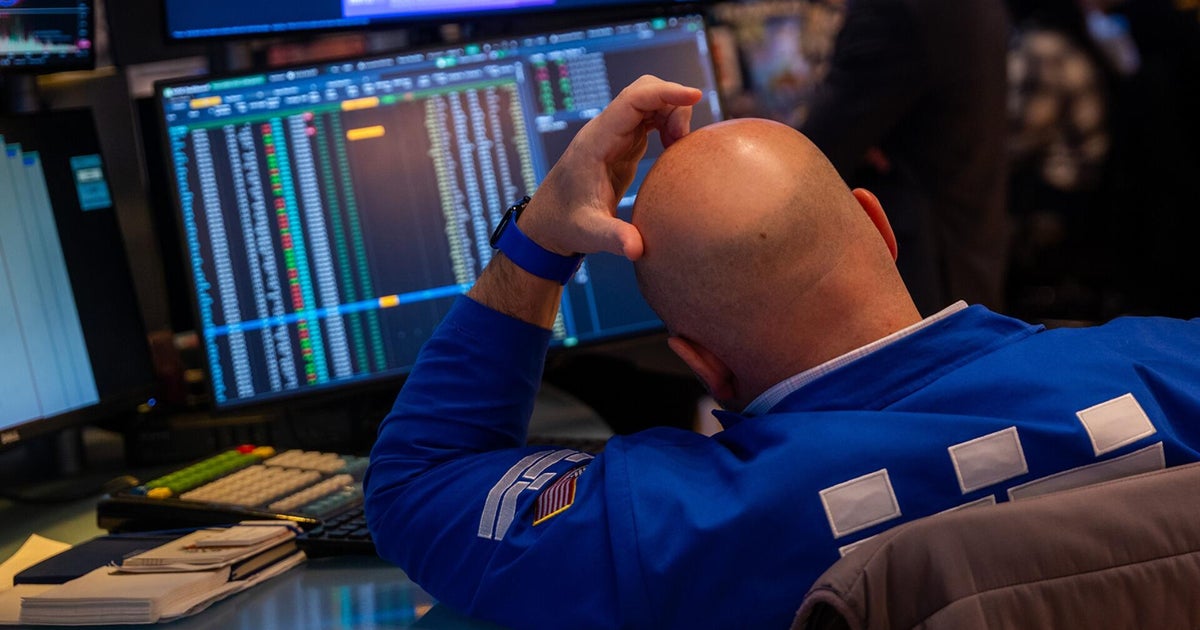
Anthropic held its historic Nasdaq debut as Nvidia closed out its longest weekly losing streak since 2020, marking a brutal sell-off across the AI and broader tech sector. Wall Street's worst week in over a year has forced major investors to deploy cash into oversold positions, signaling potential capitulation.
Key points
Market impact. Nvidia's extended decline pressures the entire AI infrastructure narrative that has driven market leadership since 2023. The timing of Anthropic's IPO amid sector weakness raises questions about valuation sustainability for AI-native companies and may dampen investor appetite for additional AI-focused listings.
Broader implications. The sell-off reflects growing skepticism about AI's near-term profitability and return on capital deployment. This correction could reset expectations for data center spending and force tech giants to justify massive infrastructure investments with concrete revenue growth.
President Trump publicly defended Jensen Huang and stated he discussed the ousted Nvidia CEO with China's Xi Jinping, contradicting Treasury Secretary Bessent's earlier claim that Huang did not come up in bilateral talks. Trump signaled he would "love to see Jensen be given a second chance" at Nvidia.
Key points
Market impact. Trump's intervention injects political uncertainty into Nvidia's leadership transition and raises questions about whether Huang could return to the CEO role. This creates volatility around Nvidia's governance and strategic direction at a critical moment for the company's data center business.
Broader implications. The incident highlights how US-China relations and geopolitical pressure are now directly influencing corporate leadership decisions at America's most valuable semiconductor company. Trump's willingness to weigh in on Nvidia's internal affairs signals his administration will actively shape tech sector outcomes.
Sources (3)YouTube - Yahoo Finance, Washington Post Politics, CNBC Top Stories
Strong bearish −503 sourcestrump · data centers · tax
President Trump threatened to impose a "tremendous tax" on tech companies that build data centers outside the United States, framing it as an anti-offshoring measure. The threat came as major AI infrastructure players have accelerated plans to build capacity internationally amid US power constraints and rising costs.
Key points
Market impact. This policy threat directly targets Nvidia, Microsoft, Google, and Meta's capital expenditure strategies and could force a recalibration of global data center deployment plans. Uncertainty around tax treatment may delay announcements and slow international buildout, concentrating AI infrastructure investment domestically.
Broader implications. Trump's move reflects nationalist industrial policy aimed at keeping AI infrastructure spending within US borders. It signals his administration will use fiscal policy to reshape tech sector investment patterns and could trigger retaliatory measures from allied nations hosting US data center projects.
Sources (3)The Daily Caller, CBS News, Business Insider
Procter & Gamble announced plans to run 15 manufacturing sites with unmanned shifts and significantly reduce factory workforce headcount by 2030 as part of a $10 billion cost-reduction initiative. The company is expanding automation across plants and logistics operations to cut labor expenses.
Key points
Market impact. P&G's aggressive automation strategy could improve operating margins and free up capital for shareholder returns, supporting its dividend-paying profile. However, it signals broader corporate America trend of labor substitution, which may pressure wage growth and consumer spending if widespread across consumer staples.
Broader implications. P&G's plan exemplifies how large manufacturers are using AI and robotics to offset labor cost inflation and supply chain pressures. This trend could accelerate workforce displacement in manufacturing and logistics, creating political pressure for retraining programs and labor policy reform.
Sources (2)New York Times Business, finance.yahoo.com
Bearish −362 sourcesprediction markets · s&p 500 · ai selloff
Odds on Kalshi prediction markets that the S&P 500 will cross 8,000 have collapsed to extremely low levels from north of 70% earlier, reflecting investor skepticism about near-term equity upside. The shift coincides with the AI sector sell-off and broader tech weakness that has eroded confidence in 2026 market performance.
Key points
Market impact. Prediction market repricing signals institutional hedging and reduced positioning for equity gains, potentially reinforcing downside momentum if retail investors follow institutional sentiment shifts. DraftKings short interest has risen 17% since NFL season began, indicating growing bearish bets on prediction market platforms themselves.
Broader implications. The sharp reversal in market expectations suggests the AI-driven bull case has lost conviction among sophisticated traders. This sentiment shift could persist if earnings growth fails to justify current valuations, forcing a more prolonged period of multiple compression across equities.
Strong bearish −881 sourcetech outage · national intelligence · infrastructure
Director of National Intelligence Jay Clayton issued a warning to Americans about "bumps in the road" following recent tech outages that disrupted air travel, with the alert coming ahead of peak Thanksgiving travel week. The statement suggests government awareness of ongoing infrastructure vulnerabilities affecting critical systems.
Key points
Market impact. Repeated tech infrastructure failures raise operational risk concerns for airlines, cloud providers, and financial services firms dependent on continuous uptime. Insurance and cybersecurity stocks may see increased demand if outages trigger broader corporate spending on redundancy and resilience.
Broader implications. The outages expose systemic fragility in US digital infrastructure at a time when the economy is increasingly dependent on seamless tech operations. Government acknowledgment of these vulnerabilities may accelerate regulatory scrutiny of cloud providers and critical infrastructure operators.
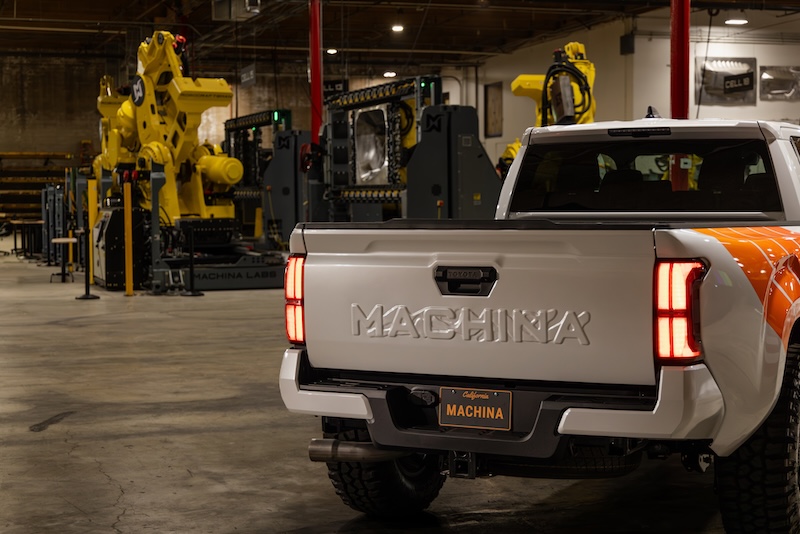
Machina Labs launched Machina Rebellis, an automotive brand leveraging AI-powered robotic manufacturing for vehicle customization at scale, while Runway released Praxis-1, an open-weight world action model designed for robotics applications. Both moves signal acceleration in AI-driven manufacturing automation across consumer and industrial sectors.
Key points
Market impact. These developments validate the commercial viability of AI robotics in manufacturing and could drive adoption across automotive, consumer goods, and logistics. Success in these verticals would accelerate capital deployment toward robotics startups and increase competition for manufacturing talent and real estate.
Broader implications. The convergence of AI models, robotics hardware, and manufacturing applications is creating a new wave of automation that extends beyond traditional factory settings into customization and small-batch production. This could reshape supply chain economics and labor demand across multiple industries.
Approximately 35% of Americans are now using credit cards to purchase groceries, a significant shift driven by persistently elevated food prices that have strained household budgets. The trend reflects deteriorating purchasing power among middle and lower-income consumers despite recent inflation moderation.
Key points
Market impact. Rising credit card utilization for essential purchases signals stress in consumer balance sheets and could presage higher credit card delinquencies if income growth fails to keep pace with debt service costs. Credit card issuers may face margin compression if charge-offs accelerate, while consumer staples companies could see demand destruction.
Broader implications. The shift to credit-financed grocery purchases indicates that inflation's impact on real incomes persists despite headline moderation, threatening consumer spending resilience heading into 2026. This dynamic could force the Federal Reserve to reconsider rate cut timing if wage growth fails to offset cost-of-living pressures.
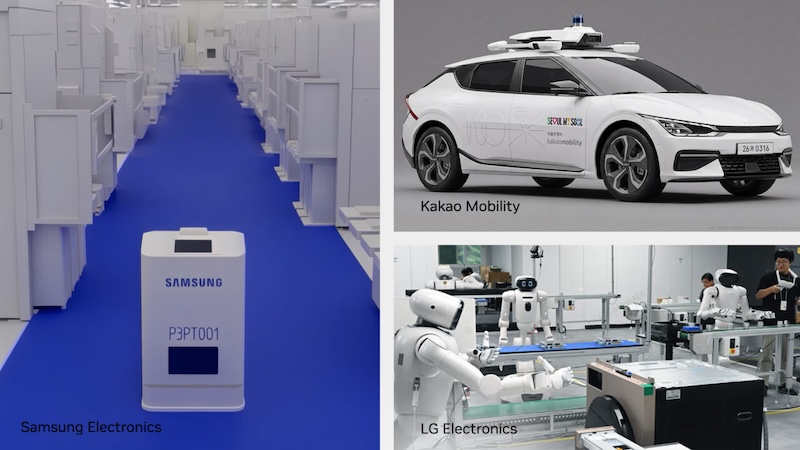
South Korean mobility platform Kakao Mobility signed a memorandum of understanding with Nvidia to jointly develop Level 4 autonomous driving technology, marking a strategic expansion of Nvidia's autonomous vehicle ecosystem beyond US and European partners. The partnership targets commercialization of self-driving capabilities in the Asian market.
Key points
Market impact. The deal reinforces Nvidia's dominance in autonomous vehicle compute platforms and expands its addressable market into Asia's mobility sector. It validates Nvidia's data center and AI chip strategy for autonomous applications, though execution risk remains high given the technical and regulatory complexity of Level 4 deployment.
Broader implications. Kakao's partnership with Nvidia signals that Asian mobility companies are betting on Nvidia's technology stack rather than developing proprietary alternatives, consolidating Nvidia's platform advantage globally. This could accelerate autonomous vehicle timelines in Asia but also creates geopolitical risk if US-China tensions affect technology transfer.