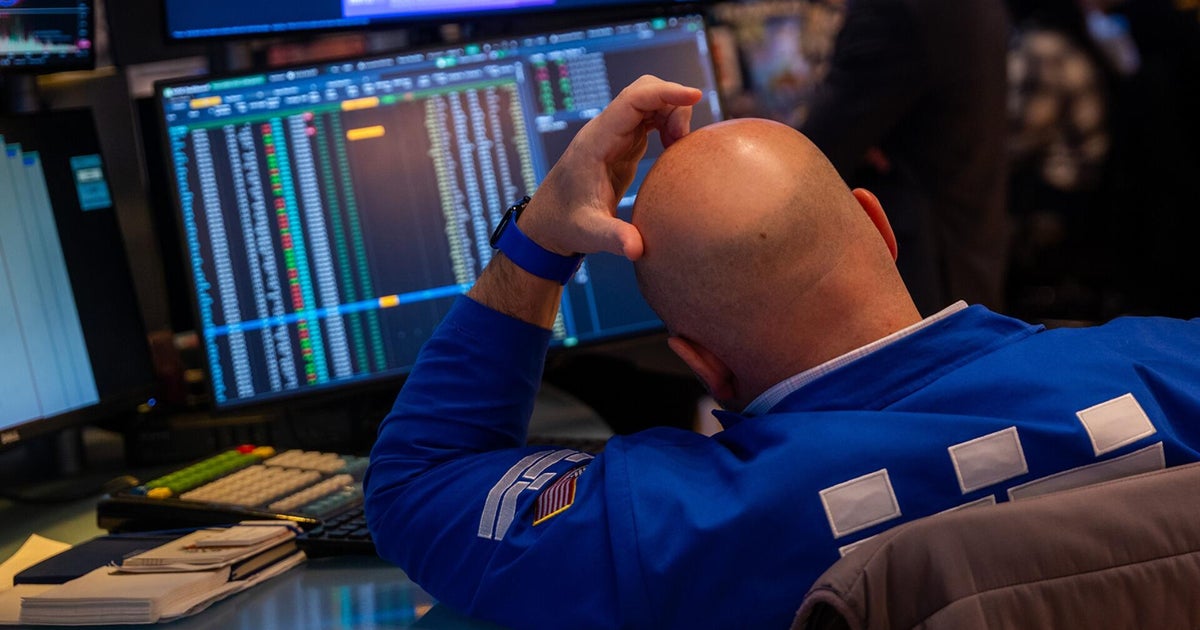
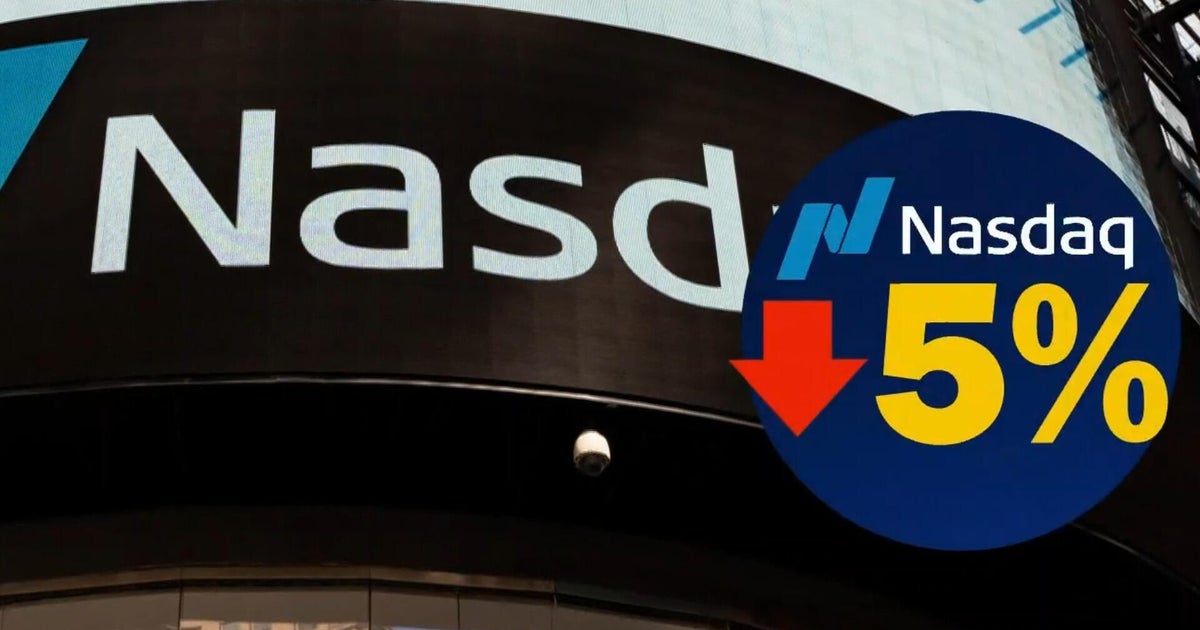
Nvidia stock plunged 12% this week, marking its longest weekly losing streak since the 2008 financial crisis, as the semiconductor sector shed $2.3 trillion in market value—the worst performance in 25 years. The selloff accelerated after Anthropic's record $81 billion IPO debut on Thursday, which paradoxically triggered a broader reassessment of AI spending economics and valuations across the sector.
Key points
Market impact. The S&P 500 and Dow entered correction territory, with all 11 sectors finishing down more than 1% for the first time since April 2025. The Nasdaq posted its worst week since 2020, erasing all 2026 gains. Nvidia, once the world's most valuable company, now ranks third behind Apple and Microsoft as institutional investors reassess whether AI capex will deliver promised returns.
Broader implications. The unraveling signals a potential inflection point in the AI trade narrative. Questions about whether data center buildouts justify trillion-dollar valuations are now front-and-center, with prediction market odds for the S&P 500 crossing 8,000 collapsing from over 70% to near zero. This mirrors dot-com dynamics: explosive growth assumptions meeting hard reality on unit economics.
Sources (3)CBS News, Market Watch, CNBC Top Stories
President Trump announced plans to impose a substantial tax on U.S. tech companies building data centers outside the country, citing national security and economic concerns. The threat comes as major AI players—including Nvidia, Amazon, and others—have accelerated plans to construct facilities abroad amid domestic power constraints and regulatory pressures.
Key points
Market impact. The announcement compounds the week's tech selloff, raising capex uncertainty for Nvidia, Amazon, and cloud infrastructure players. Investors are now pricing in potential policy friction that could delay or redirect the $500+ billion AI infrastructure buildout. This adds a geopolitical tax to an already-fragile sector narrative.
Broader implications. Trump's move signals a nationalist pivot on AI infrastructure, prioritizing domestic manufacturing over efficiency. It mirrors broader protectionist themes but creates real friction with the capital-intensive, globally-optimized nature of modern data center economics. Execution details remain unclear, but the intent is unmistakable.
Sources (3)CBS News, Business Insider, Market Watch
Nvidia's ousted CEO Jensen Huang faces mounting scrutiny over management practices reportedly built on fear, with reports emerging that his wife is accused of chip smuggling. Trump publicly defended Huang and claimed to have discussed his reinstatement with Xi Jinping, though Treasury Secretary Bessent contradicted this account hours later, creating confusion about the geopolitical dimensions of the dispute.
Key points
Market impact. The scandal compounds Nvidia's credibility crisis at a critical moment. Institutional investors are already questioning AI capex returns; leadership chaos and potential export control violations add legal and reputational risk. The company's ability to navigate China relationships—critical for supply chain and market access—is now in doubt.
Broader implications. The Huang saga exposes tensions between U.S.-China tech competition and corporate governance. Trump's intervention signals political interest in Nvidia's leadership, blurring lines between markets and statecraft. Regulatory scrutiny—including SEC probes into accounting practices—compounds the pressure.
Sources (3)YouTube - Yahoo Finance, TechCrunch, New York Post Business
Anthropic's record-breaking $81 billion IPO debut on Thursday initially appeared successful, but the stock slumped on its second day of trading as markets broadly reassessed AI spending economics. The timing coincided with the start of a severe tech selloff, with Anthropic shares losing nearly 10% as the Nasdaq erased all 2026 gains.
Key points
Market impact. Anthropic's IPO, meant to validate AI's investment thesis, instead became a pressure valve. Investors questioned whether the company's path to profitability justifies its valuation, triggering a cascade of AI-related selling. The company's burn rate and competitive moat against OpenAI and Google are now under intense scrutiny.
Broader implications. The IPO marks a potential peak in AI euphoria. Anthropic's safety-focused positioning and public positioning on AI risks may have amplified concerns about the sector's fundamentals. The event signals that mega-cap AI companies may struggle to justify valuations without clear paths to scale revenue.
Sources (3)CBS Money Watch, New York Post Business, The Guardian Business
Strong bearish −892 sourcessoftbank · asian stocks · selloff
SoftBank shares collapsed 16% on Friday as the U.S. AI selloff rippled through Asian markets. The Nikkei 225 fell 4.5% in morning trading, putting Japanese and South Korean tech stocks on track for their worst week since 2020. SoftBank's massive Vision Fund exposure to AI-heavy portfolios made it a proxy for sector-wide repricing.
Key points
Market impact. The selloff demonstrates how concentrated AI bets have become globally. SoftBank's losses directly reflect its $100+ billion commitments to AI infrastructure and startups. Asian indices are now pricing in a significant downward revision to AI capex and venture returns, with spillover effects into emerging market sentiment.
Broader implications. The Asia contagion signals that AI valuation concerns are not U.S.-specific but reflect a genuine global reassessment. Masayoshi Son's Vision Fund, once a symbol of AI optimism, is now a barometer of sector stress. This undermines confidence in venture-backed AI companies and their ability to achieve promised returns.
Bitcoin fell nearly 6% to below $60,000 for the first time since July, tracking the broader equity selloff rather than acting as a hedge. The move contradicts the "digital gold" narrative, with crypto moving in lockstep with risk assets as the Nasdaq dropped more than 2% and Anthropic shares tumbled.
Key points
Market impact. Bitcoin's failure to decouple from equities during stress undermines its safe-haven positioning. Institutional investors treating crypto as a risk asset are now liquidating positions alongside tech stocks. This pressures valuations and raises questions about crypto's role in portfolio construction during market dislocations.
Broader implications. The correlation breakdown suggests crypto remains a risk-on asset class, not a true alternative. This matters for macro positioning: if crypto cannot provide diversification during equity stress, its utility as a hedge is limited. The move also reflects broader liquidity concerns as investors de-risk across all speculative assets.
Procter & Gamble announced plans to cut up to 30% of its manufacturing and logistics workforce by 2030 while maintaining its 70-year dividend streak. The company targets $10 billion in cost savings through automation and operational restructuring, signaling a major shift in how it produces consumer staples.
Key points
Market impact. The announcement supports P&G's dividend sustainability despite margin pressures. Investors view the restructuring as prudent capital allocation, protecting shareholder returns while improving long-term competitiveness. The move also signals confidence in automation ROI, contrasting with broader tech sector uncertainty.
Broader implications. P&G's strategy reflects a broader corporate pivot toward automation and efficiency over headcount. The company is betting that technology investments will offset labor cost inflation and supply chain volatility. This approach differs sharply from AI-focused capex debates, emphasizing proven operational leverage.
The Pentagon's inspector general announced audits of defense tech startups with ties to President Trump's sons following Washington Post reporting on lucrative contracts. This comes as the Pentagon failed its ninth consecutive financial audit, with oversight officials flagging fraud risks and systemic accounting failures.
Key points
Market impact. The audit announcement creates uncertainty for defense contractors with Trump family connections. Investors in defense tech startups now face regulatory risk and potential contract scrutiny. The broader audit failure signals governance concerns that could affect defense spending efficiency and contractor confidence.
Broader implications. The Pentagon's repeated audit failures undermine confidence in defense spending accountability despite requests for $1.5 trillion in annual funding. Combined with family-tie scrutiny, the situation raises questions about whether defense procurement is optimized for national security or political connections. This could accelerate pressure for reform.