Norse Atlantic, the Norwegian ultra-low-cost carrier that once advertised $99 transatlantic fares, filed for bankruptcy Friday after suspending all flights and failing to secure emergency funding. Soaring fuel costs and inability to refinance operations triggered the collapse, marking the second major airline casualty in 2026.
Key points
Market impact. The bankruptcy signals structural stress in the budget airline segment, where razor-thin margins leave no buffer for fuel shocks or refinancing disruptions. Competitors like Ryanair and EasyJet face renewed scrutiny on cost structures; transatlantic capacity will tighten, likely supporting pricing for legacy carriers like American Airlines and United.
Broader implications. The failure exposes the fragility of the low-cost model in long-haul markets where fixed costs and fuel exposure are highest. European aviation consolidation pressure intensifies as smaller players lack the balance sheet depth to weather commodity volatility.
Sources (3)ABC News, CNBC Top Stories, Fox News World
Neutral 03 sourcesamerican airlines · reagan national · safety
Two American Airlines Boeing 737s made contact on the tarmac at Ronald Reagan Washington National Airport Friday evening during taxiing, with one aircraft losing a piece of its wing. The FAA is investigating the incident, which occurred during peak holiday travel weekend operations.
Key points
Market impact. No injuries reported and no immediate operational disruption, but the incident adds to regulatory scrutiny of ground operations at congested airports. American Airlines (AAL) faces potential operational restrictions or procedural mandates at Reagan National, a critical hub for the carrier and a high-profile airport.
Broader implications. Tarmac incidents during peak travel periods raise questions about ground control procedures and crew fatigue during holiday surges. Reagan National's constrained layout and high traffic volume make it a pressure point for operational safety across the industry.
Neutral +43 sourcesjensen huang · nvidia · ai market
Jensen Huang's reinstatement as NVIDIA CEO sparked a brief rally but failed to sustain momentum as AI stocks continue to face headwinds from investor skepticism about the sustainability of the AI boom. Financial disclosures reveal President Trump holds tens of millions in NVIDIA shares, creating a potential conflict of interest in his public advocacy for Huang's return.
Key points
Market impact. NVIDIA (NVDA) remains under pressure despite leadership stability, signaling that market concerns run deeper than CEO uncertainty—likely centered on valuation, capex cycles, and proof of AI monetization. The Trump shareholding disclosure adds political risk to NVIDIA's regulatory environment and policy positioning.
Broader implications. The AI sector's inability to rally on positive leadership news suggests a broader correction cycle underway, not a temporary dip. China's mixed reaction to Huang's return reflects geopolitical tensions around semiconductor supply chains and U.S. export controls.
Adobe forecasts Black Friday spending will reach nearly $13 billion, a record high, even as inflation continues to pressure household budgets. Consumers are actively hunting for value and discounts, suggesting promotional intensity will be fierce across retail.
Key points
Market impact. Record spending supports retail sector narratives but masks margin compression—retailers will need higher volumes at lower prices to hit profit targets. Discount-heavy positioning favors big-box players (Walmart, Target) with scale advantages over smaller competitors; luxury and full-price retail face headwinds.
Broader implications. Consumer spending resilience masks underlying fragility: households are spending but prioritizing deals, not discretionary upgrades. This behavior is consistent with a consumer near the edge of affordability, vulnerable to any shock in employment or credit conditions.
Elon Musk announced SpaceX will donate one share to every U.S. child, with Musk personally matching the contribution—two shares per child total. The pledge drove SpaceX shares up on Blue Ocean ATS (alternative trading platform) in overnight trading, signaling retail investor enthusiasm for private equity access.
Key points
Market impact. The move bypasses traditional IPO channels and creates a novel equity distribution mechanism tied to Trump Account infrastructure. It inflates SpaceX's perceived valuation and retail demand while avoiding SEC scrutiny of a formal public offering, though legal and regulatory questions remain unresolved.
Broader implications. The strategy blurs lines between corporate philanthropy, political messaging, and equity issuance, leveraging Trump's political platform to distribute private company shares. It signals Musk's confidence in SpaceX's value while testing regulatory tolerance for alternative equity distribution models.
Sources (3)CNBC Top Stories, CBS Money Watch, New York Post Business
Aliko Dangote is taking his mega-refinery public in what is expected to be Africa's largest IPO on record, with a potential valuation around $47 billion. The Dangote Refinery is Nigeria's flagship industrial asset and a cornerstone of the country's energy infrastructure.
Key points
Market impact. A successful IPO would unlock massive capital for African equity markets and attract institutional investors to Nigerian assets. The refinery's cash generation and strategic importance to regional energy supply make it a marquee holding; pricing and demand will signal investor appetite for large-cap African infrastructure plays.
Broader implications. The IPO represents a shift toward privatization and public markets in African energy infrastructure, reducing state dependency and opening capital flows. Success would validate Nigeria's investment climate and potentially catalyze similar mega-deals across the continent.
Binance received in-principle approval from Bhutan to establish a regional Asia hub, marking a major regulatory milestone for the exchange after years of jurisdictional pressure globally. The agreement signals Bhutan's openness to crypto infrastructure and Binance's strategy to decentralize operations across multiple regulatory regimes.
Key points
Market impact. The approval reduces Binance's regulatory risk profile and provides a stable operational base for Asian markets, supporting its competitive position against regional exchanges. It also validates Bhutan as a crypto-friendly jurisdiction, potentially attracting other exchanges and blockchain firms to the country.
Broader implications. The move reflects a broader shift toward regulatory fragmentation in crypto, with smaller nations offering favorable regimes to attract exchange infrastructure. It underscores the limits of U.S. and European regulatory authority over global crypto markets and the emergence of alternative hubs.
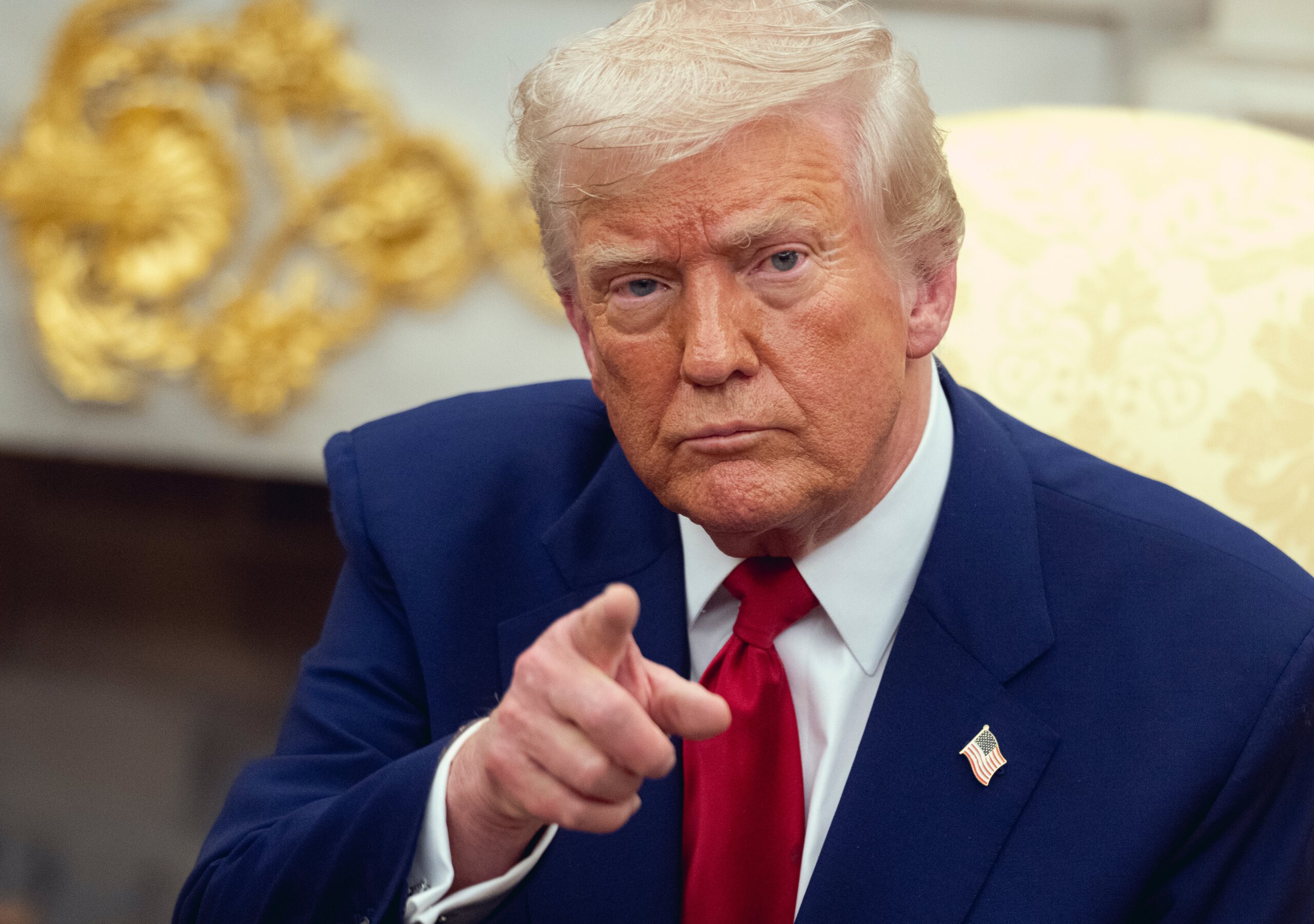
President Trump has opened the door to universal healthcare reform, raising the prospect of "Trumpcare" as a potential restructuring of America's $5.3 trillion healthcare system. The statement marks a significant shift from traditional Republican opposition to universal coverage models.
Key points
Market impact. Healthcare stocks face existential uncertainty; insurers (UNH, CI, HUM), pharmacy benefit managers, and hospital operators (HCA, UHS) could face margin compression or revenue disruption under a universal model. Pharmaceutical companies may face price controls, while medical device makers could see demand shifts depending on implementation.
Broader implications. A universal healthcare shift would represent the most significant healthcare policy reversal in decades, with profound implications for federal spending, tax policy, and industry structure. Implementation details remain vague, but the signal alone creates planning paralysis across the sector.
Saudi Arabia is shifting from "spending and delivery at any cost" to "spending and delivery at the right cost," according to Economic Minister Faisal Al-Ibrahim, signaling a recalibration of Vision 2030 megaproject spending. The pivot reflects economic headwinds and elevated security expenditures straining the kingdom's budget.
Key points
Market impact. Construction and infrastructure contractors exposed to Saudi Arabia (AECOM, Bechtel, regional players) face project delays and repricing. Oil and gas majors may see reduced downstream investment; defense contractors could benefit from security spending reallocation. The shift signals tighter fiscal discipline and potential delays in flagship projects like NEOM.
Broader implications. The recalibration reflects Saudi Arabia's vulnerability to oil price volatility and geopolitical risk, particularly regional tensions. It signals the limits of the kingdom's fiscal capacity to sustain both megaproject ambitions and security commitments simultaneously, forcing hard prioritization choices.