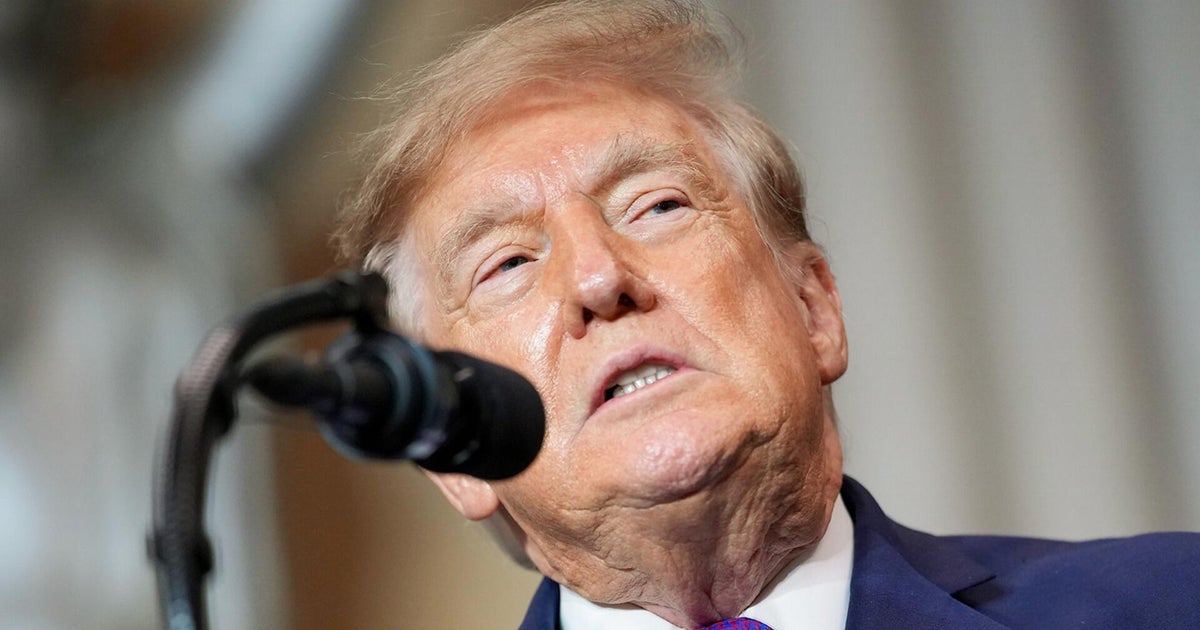
The Trump administration announced sweeping tariffs Wednesday against 14 trading partners, including China, the European Union, Japan, and India, citing unfair trade practices. The move marks an escalation in protectionist policy and has already drawn sharp protests from major economies.
Key points
Market impact. Tariff announcements typically roil equity markets, particularly in export-heavy sectors and multinational corporations. Sentiment across the cluster is deeply negative, signaling investor concern about supply chain disruption, retaliatory measures, and margin compression for U.S. manufacturers reliant on imported inputs.
Broader implications. This represents a fundamental shift toward mercantilist trade policy and heightens recession risk by constraining global commerce. The coordinated pushback from China, the EU, and Japan suggests a fragmentation of the post-WWII trade order and potential for tit-for-tat escalation that could destabilize growth forecasts.
Sources (5)ABC News, CBS News, The Guardian Business +2
Neutral −153 sourcessouth korea · interest rates · inflation
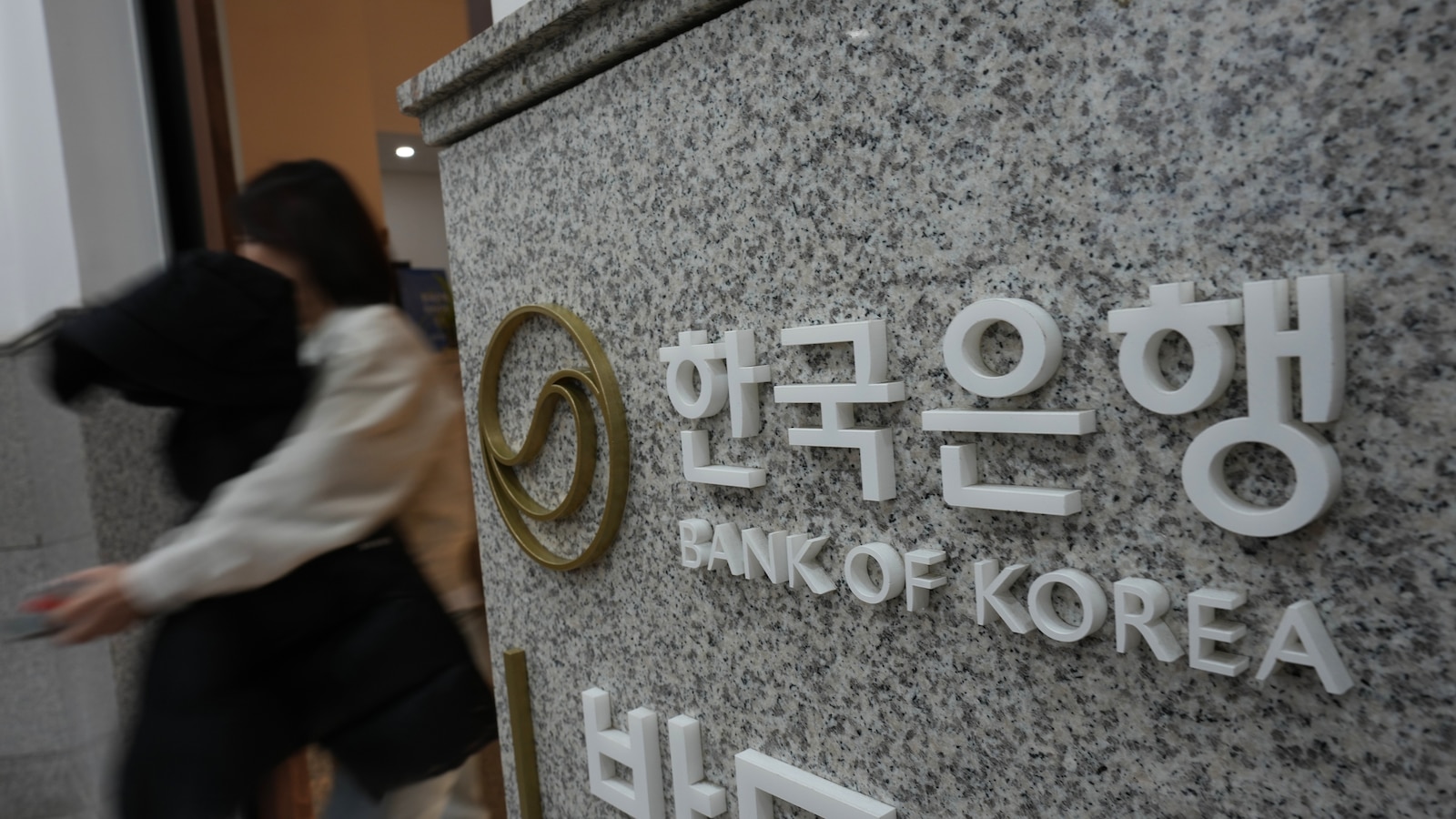
South Korea's central bank raised its benchmark interest rate by 25 basis points to 3.25%, marking the third hike since July and the highest level in two years. The move reflects persistent inflationary pressure despite domestic economic headwinds and signals the final rate decision for 2026.
Key points
Market impact. Higher Korean rates strengthen the won, increase borrowing costs for Korean corporates, and may pressure equity valuations in a market already sensitive to AI sector volatility. The tightening cycle constrains growth just as the AI boom is fueling economic expansion, creating a policy tension.
Broader implications. South Korea's aggressive tightening reflects a global central bank dilemma: inflation remains sticky even as growth slows. This divergence between rate hikes and economic weakness is a harbinger of stagflation risk across developed markets.
Sources (3)ABC News, CNBC Top Stories, WSJ Economy
Elon Musk announced that SpaceX will issue one newly minted Class A share to every active "Trump account" holder, with Musk personally matching the gift. The combined pledge totals approximately $17.8 billion and represents an unprecedented corporate-political alignment.
Key points
Market impact. SpaceX shares jumped on alternative trading platforms overnight on the announcement. The dilution from newly issued shares is offset by positive sentiment around Musk's political capital and potential policy tailwinds for space and defense contractors under a Trump administration.
Broader implications. This move signals deep alignment between Musk and Trump and suggests SpaceX may benefit from favorable regulatory treatment or government contracts. It also raises corporate governance questions about using shareholder capital for political purposes.
Sources (4)CBS Money Watch, New York Post Business, Market Watch +1
A FedEx cargo plane overran the runway at Miami International Airport on Wednesday during stormy weather, triggering a brief ground stop. The aircraft came to rest near a fence; no injuries were reported among the two crew members on board.
Key points
Market impact. The incident occurred on the eve of Thanksgiving, one of the busiest travel and shipping days of the year. Disruptions at a major hub like Miami can cascade across FedEx's network and logistics supply chains, affecting holiday delivery commitments and inventory management for retailers.
Broader implications. Weather-related operational failures at critical infrastructure nodes underscore vulnerability in just-in-time logistics during peak demand periods. This incident may prompt regulatory scrutiny of runway safety protocols and aircraft landing procedures in adverse conditions.
Sources (5)CBS News, New York Times Business, BBC US +1
Norwegian budget carrier Norse Atlantic suspended all flights and warned its board that bankruptcy filing is imminent without urgent short-term financing. The carrier's share price collapsed 81% as fuel costs and operational pressures overwhelmed its balance sheet.
Key points
Market impact. Norse Atlantic's collapse signals distress in the budget airline sector, where thin margins and volatile fuel costs leave little room for error. Passengers holding tickets face cancellations; competitors may absorb some capacity but at higher fares, raising consumer travel costs heading into the holiday season.
Broader implications. The airline's failure reflects structural challenges in low-cost transatlantic travel and underscores how energy price volatility can rapidly destroy equity value in capital-intensive industries with fixed cost bases. This may accelerate consolidation in European aviation.
Sources (4)Fox News World, BBC Business, CNBC Top Stories
Neutral 03 sourcesecb · pablo hernandez · central bank
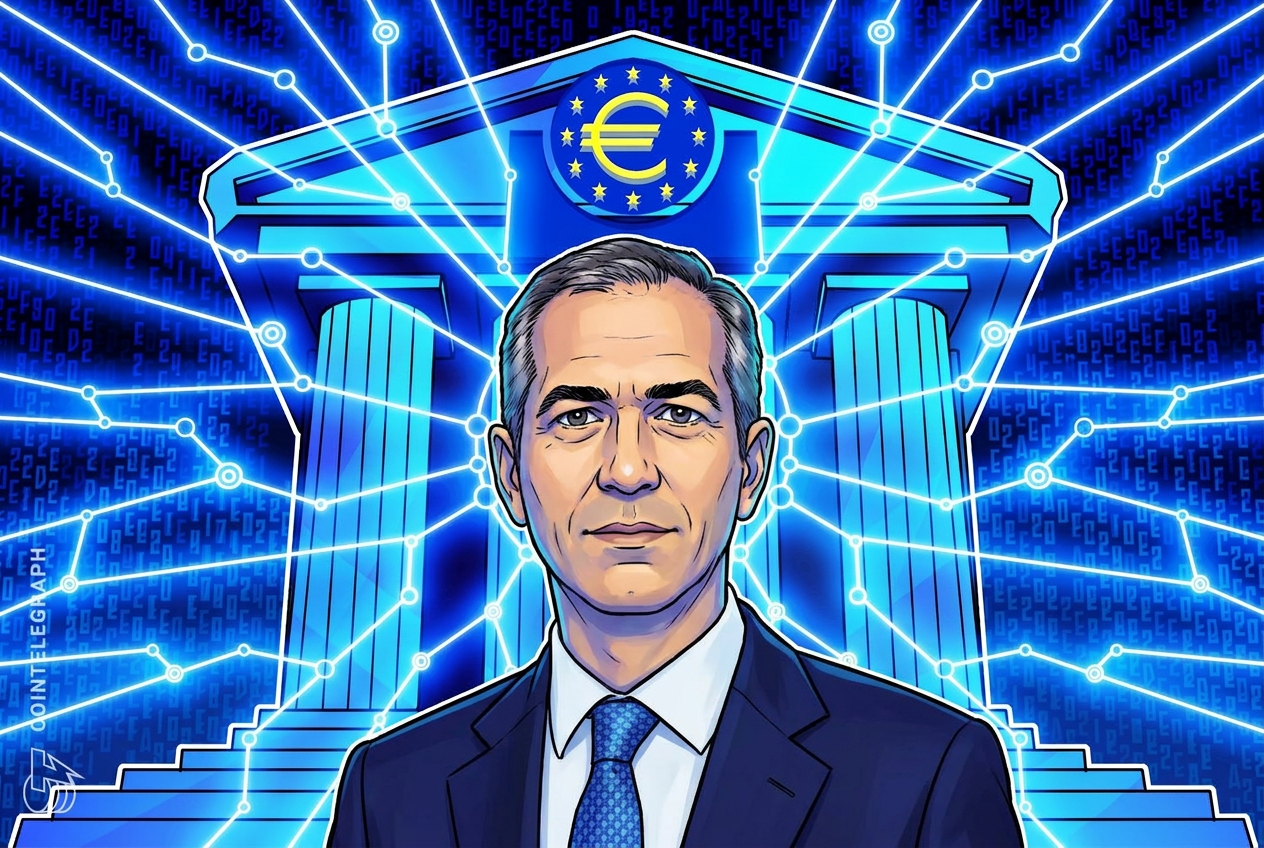
The European Central Bank has chosen Pablo Hernández de Cos, the Spanish economist and current BIS chief, as its next president following the early exit of Christine Lagarde. De Cos will assume leadership amid political uncertainty, choppy growth, and two looming board vacancies.
Key points
Market impact. Leadership transitions at the ECB typically trigger reassessment of monetary policy direction. De Cos has previously questioned stablecoin viability and backed digital currency development, signaling potential shifts in the ECB's stance on crypto and fintech regulation.
Broader implications. De Cos's appointment reflects the ECB's need for continuity amid fragmented eurozone growth and persistent inflation. His tenure will test whether the ECB can balance hawkish rate policy with support for weaker member economies facing fiscal pressure.
Sources (3)Cointelegraph, New York Times Business, CNBC Economy
Neutral −134 sourcesnvidia · alice huang · espionage
U.S. authorities are investigating Megaspeed and Alice Huang, a former executive with whom Nvidia CEO Jensen Huang had an affair, as new figures emerge in the chip espionage scandal. China's Ministry of State Security may have surveilled Huang and sought information from her following the affair.
Key points
Market impact. The investigation creates legal and reputational risk for Nvidia, the world's dominant AI chip supplier. Any finding of compromised intellectual property or supply chain vulnerability could trigger sanctions, export restrictions, or loss of government contracts, directly threatening Nvidia's revenue and valuation.
Broader implications. The case exemplifies the intersection of corporate espionage, geopolitical competition, and personal vulnerability in the U.S.-China AI race. It may prompt stricter security protocols at defense contractors and heightened scrutiny of foreign nationals in sensitive tech roles.
Sources (4)TechCrunch, CBS News, New York Times Business +1
Hedge fund managers are flagging the AI boom as a key source of mispriced risk, warning that the sector's explosive growth could precipitate a broader economic downturn. Simultaneously, inflation remains elevated, fueled in part by AI-driven capital expenditure and energy demand.
Key points
Market impact. Data center and semiconductor stocks remain attractive on fundamentals, but sentiment is fragile. A reversal in AI capex or disappointment in AI monetization could trigger sharp equity selloffs, particularly in high-multiple tech names. Volatility in this sector now drives broader market swings.
Broader implications. The AI boom's sustainability is the central macro question for 2027. If AI fails to deliver sufficient productivity gains to justify current valuations and capex levels, the U.S. economy faces a painful adjustment. Conversely, successful AI deployment could sustain growth and justify current asset prices.
Strong bearish −733 sourcesukraine · russia · drone strikes
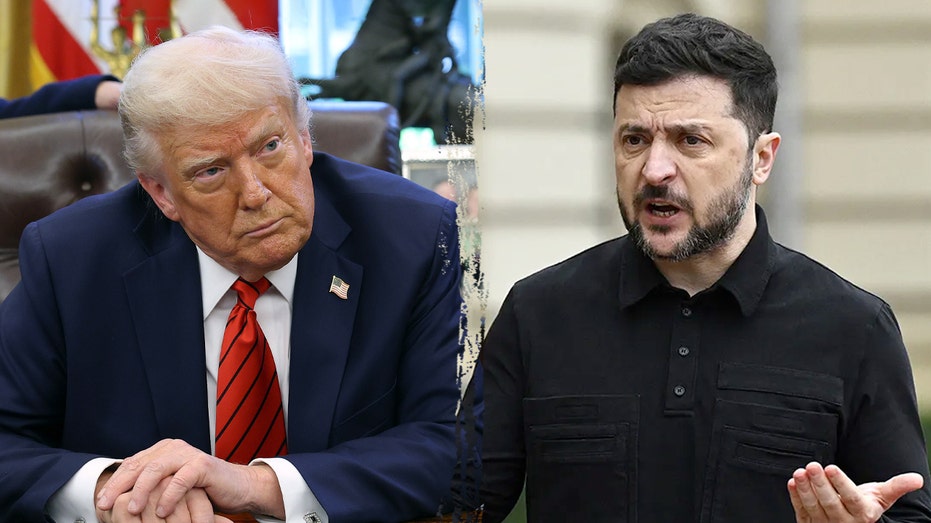
Ukraine claimed responsibility for a drone strike that sank the Russian corvette Mercury in Benghazi, Libya, and confirmed additional strikes on a Russian cargo ship in the Baltic Sea. President Zelenskyy praised the operations as "exemplary," marking an expansion of Ukrainian strike capability beyond Eastern Europe.
Key points
Market impact. Escalation of the Ukraine-Russia conflict into new theaters raises geopolitical risk premiums across energy, defense, and shipping sectors. Oil and natural gas markets remain sensitive to supply disruptions; defense contractors benefit from elevated military spending and modernization urgency.
Broader implications. The strikes demonstrate Ukraine's growing asymmetric capability and willingness to strike Russian assets globally. Former officials warn of serious escalation risk, particularly if Russia perceives the Libya operation as a direct provocation. This dynamic complicates any near-term peace negotiations.
Sources (3)Fox News World, CBS News, CNBC Top Stories