Norwegian budget carrier Norse Atlantic filed for bankruptcy Friday after suspending all flights and failing to secure emergency funding. The airline, which once offered transatlantic fares as low as $99, cited soaring fuel costs and inability to raise capital as the primary drivers of collapse.
Key points
Market impact. The bankruptcy marks the second major airline casualty of 2026 and signals structural stress in the budget carrier segment. Stranded passengers and creditors face significant losses; the collapse removes competitive pressure on legacy carriers and discount competitors like Spirit and Frontier, potentially supporting their equity valuations in the near term.
Broader implications. Rising fuel costs, labor pressures, and tightening credit conditions are squeezing thin-margin carriers globally. Norse's failure underscores how even aggressive pricing and growth strategies cannot overcome macro headwinds in aviation—a warning sign for other low-cost operators dependent on refinancing.
Sources (3)ABC News, CNBC Top Stories, Fox News World
Neutral +113 sourcesnasdaq · tech stocks · ai volatility
The Nasdaq rebounded sharply this week, marking its strongest performance in seven months as tech stocks recovered from a punishing AI-driven selloff. Despite the weekly gains, the tech-heavy index remains down nearly 28% for November and 21% year-to-date, reflecting persistent investor skepticism about AI valuations and sustainability.
Key points
Market impact. Nvidia's recovery—driven by CEO Jensen Huang's return—catalyzed the broader tech rally, but the stock remains deeply underwater for the month. The volatility signals that AI enthusiasm is fragile; any negative catalyst could reignite selling. Sector rotation into value and defensive plays remains active as investors reassess growth multiples.
Broader implications. The AI boom's credibility is on trial. Weekly bounces mask a fundamental repricing of AI-dependent equities as the market questions whether current capex spending and deployment timelines justify valuations. This volatility will likely persist until earnings data confirms AI monetization at scale.
Sources (3)New York Post Business, Market Watch, ABC News
Neutral −73 sourcesjensen huang · nvidia · code of conduct
Jensen Huang's reinstatement as Nvidia CEO triggered a fleeting rally in AI stocks, but the move has exposed internal friction: Huang violated the company's own code of conduct, and employees are questioning whether leadership is above the rules it imposes on staff. Financial disclosures also revealed President Trump holds tens of millions in Nvidia shares, raising questions about his advocacy for Huang's return.
Key points
Market impact. The rally proved temporary; Nvidia stock remains deeply negative for November despite Huang's return. The governance controversy could complicate future capital raises, board recruitment, and employee retention—particularly among engineers who view code-of-conduct violations as a signal of selective accountability.
Broader implications. The incident highlights how founder-led tech companies often operate under different standards than the organizations they publicly champion. Trump's undisclosed financial interest in Nvidia adds a political dimension to corporate governance, potentially inviting regulatory scrutiny and shareholder activism.
Elon Musk announced that SpaceX will donate one share to every child in America, with Musk personally matching the contribution—effectively doubling the giveaway. The shares will be distributed through Trump Accounts, a new investment vehicle tied to the Trump administration. SpaceX shares jumped on alternative trading platforms following the announcement.
Key points
Market impact. SpaceX shares spiked on Blue Ocean ATS, signaling retail investor enthusiasm for the private company's equity. The move effectively creates a massive new shareholder base and could accelerate SpaceX's path to public markets by demonstrating demand. However, the structure raises questions about valuation, liquidity, and regulatory oversight of Trump Accounts as a securities vehicle.
Broader implications. This is a novel use of corporate equity as political patronage and a potential workaround for securities regulations. The move blurs lines between business, politics, and retail investing—and could invite SEC scrutiny if Trump Accounts operate outside traditional brokerage oversight.
Sources (3)CNBC Top Stories, CBS Money Watch, New York Post Business
Retailers expect record Black Friday spending this year as consumers continue to prioritize holiday shopping despite macroeconomic headwinds and strained household finances. Shoppers are actively hunting for value, with inflation driving demand toward discounted goods and promotional bundles rather than full-price purchases.
Key points
Market impact. Retail stocks including Walmart and Disney benefit from volume lift, though margin pressure persists as consumers demand deeper discounts. The shift toward value-oriented shopping supports discount retailers and warehouse clubs over premium brands. Streaming services like Disney+ are offering 50%+ discounts, signaling aggressive customer acquisition at the expense of near-term revenue.
Broader implications. Consumer resilience masks underlying fragility: households are spending despite inflation by shifting to discounted categories and using credit. This behavior is unsustainable if wage growth fails to keep pace with prices or if credit conditions tighten further. Q4 earnings will reveal whether volume gains offset margin compression.
U.S. Trade Representative Jamieson Greer announced Wednesday that Washington will cap tariffs on Indian imports at 17% as part of a broader bilateral trade agreement nearing completion. The deal represents a significant shift in U.S.-India trade relations under the Trump administration.
Key points
Market impact. Indian exporters and U.S. importers benefit from tariff certainty; a 17% cap is substantially lower than threatened rates on other trading partners. Indian equities and rupee-denominated assets could see inflows if the deal signals preferential treatment. U.S. companies sourcing from India gain cost predictability for supply chain planning.
Broader implications. The deal reflects Trump's strategy of using tariffs as negotiating leverage while rewarding strategic allies. India's positioning as a counterweight to China in supply chains and geopolitics makes it a priority partner. Completion could accelerate reshoring and nearshoring trends away from China toward India and other allied nations.
Neutral 01 sourcetrump · universal healthcare · cms energy
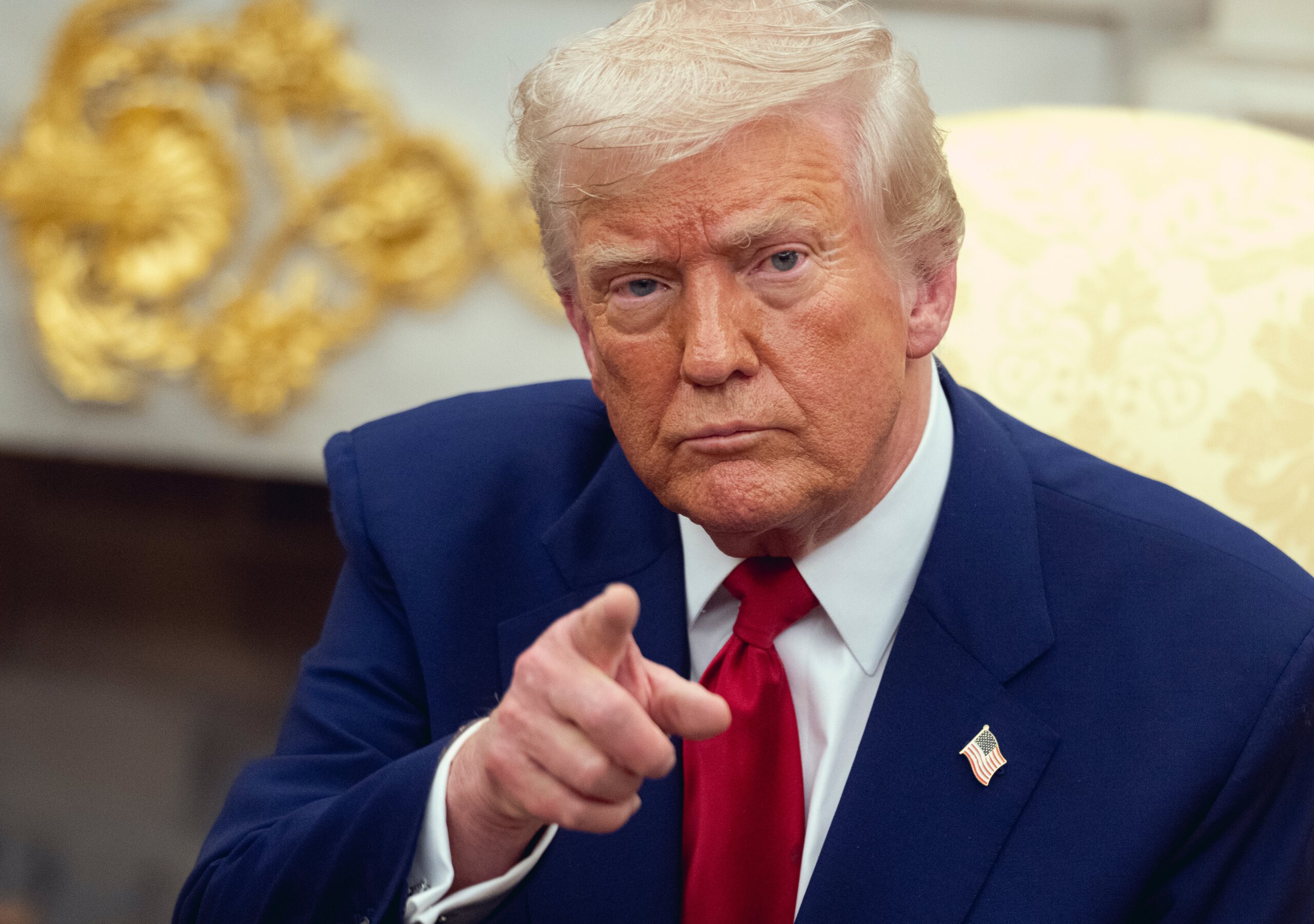
President Trump signaled openness to universal healthcare reform, raising the prospect of "Trumpcare" as a potential restructuring of America's $5.3 trillion healthcare system. The statement marks a departure from traditional Republican opposition to government-run health programs and suggests the administration is considering comprehensive reform.
Key points
Market impact. Healthcare stocks face significant uncertainty; insurers (UnitedHealth, Anthem, Cigna) and pharmaceutical companies could face margin compression if universal coverage reduces pricing power. Hospital operators and pharmacy benefit managers face potential disruption. Conversely, biotech and specialty pharma could benefit if reform accelerates innovation incentives.
Broader implications. Any universal healthcare proposal would be the most significant healthcare policy shift in decades, with profound implications for federal spending, employer-sponsored insurance, and medical innovation. Implementation faces massive political and logistical hurdles, but the signal alone will drive sector rotation and volatility in healthcare equities.
CryptoQuant data shows Bitcoin whales are accumulating BTC in the fourth quarter despite historically being net sellers during this period. The accumulation is occurring even as profit cushions narrow, suggesting institutional conviction that current prices represent value or that whales are positioning for a year-end rally.
Key points
Market impact. Whale accumulation typically precedes price appreciation; if the pattern holds, Bitcoin could rally into year-end. Spot Bitcoin ETFs and crypto-correlated equities (Riot, Marathon, Mara) would benefit from upside momentum. However, shrinking profit margins indicate whales are buying into weakness, not strength—a sign of conviction but also risk if macro conditions deteriorate.
Broader implications. Whale behavior signals that institutional investors view current Bitcoin levels as attractive despite macro headwinds. This contrasts with retail sentiment and suggests a potential divergence between smart money and crowd positioning—historically a precursor to volatility and potential rallies.
Neutral 01 sourcexpeng · humanoid robot · mass production
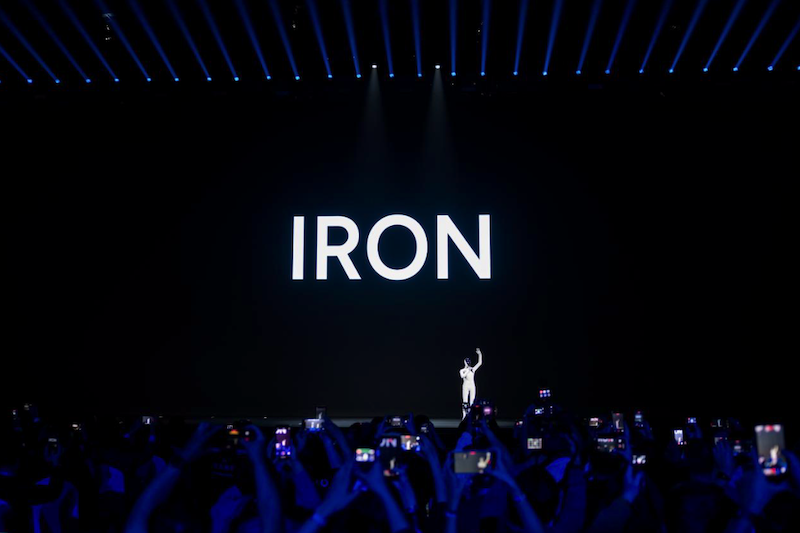
Chinese EV manufacturer XPeng announced preparations for mass production of its humanoid robot at an AI Day 2026 event in Guangzhou. The move represents a significant diversification from automotive into robotics, signaling confidence in the company's AI and manufacturing capabilities.
Key points
Market impact. XPeng's pivot into humanoid robots positions it as a competitor to Tesla's Optimus and Boston Dynamics. Success in robotics could unlock new revenue streams and valuations multiples; failure could dilute focus from core EV business. Chinese robotics and AI stocks could see sector rotation if XPeng demonstrates viable production economics.