Strong bearish −505 sourcestrump · tariffs · china
The Trump administration announced sweeping tariffs Wednesday targeting China, the European Union, Japan, and a dozen other major trading partners, citing unfair trade practices and discriminatory policies. The move marks an escalation in trade tensions and drew immediate protests from affected economies.
Key points
Market impact. Global equities tumbled on tariff anxiety, with Asian stocks particularly hard hit as exporters face margin compression. Currency markets repriced risk premiums on the euro and yen, while commodity prices reflected uncertainty over demand destruction in key trading blocs.
Broader implications. The tariff offensive signals Trump's intent to reshape trade architecture unilaterally, bypassing multilateral frameworks. This threatens to fragment supply chains and raise input costs for U.S. manufacturers, potentially reigniting inflation pressures the Fed is trying to tame.
The Federal Reserve confirmed Wednesday that inflation remains stubbornly elevated, with the PCE deflator accelerating in October. The data locks in expectations for a December rate increase, with Fed officials including John Williams signaling higher rates will likely persist into 2027.
Key points
Market impact. Bond yields spiked on the hawkish signal, with the 10-year Treasury climbing as markets repriced terminal rate expectations higher. Equities sold off on the prospect of sustained restrictive policy, particularly pressuring rate-sensitive sectors like technology and real estate.
Broader implications. The Fed faces a policy bind: tariff-driven inflation could force rates higher even as economic growth slows, creating stagflation risk. Trump's tariff announcement compounds the problem by adding cost-push pressures the central bank cannot easily offset.
Sources (4)Market Watch, New York Times Business, CNBC Finance
Norwegian low-cost carrier Norse Atlantic suspended all flights Wednesday and warned it faces imminent bankruptcy without urgent short-term financing. The carrier's share price collapsed 81% as fuel costs and operational pressures overwhelmed its balance sheet.
Key points
Market impact. The collapse signals distress in the budget airline sector, where margin compression from fuel volatility and labor costs has proven unsustainable. Competitors like Ryanair and Southwest face renewed scrutiny on cost structures, while travel-related equities and suppliers face contagion risk.
Broader implications. Norse's failure exposes the fragility of low-cost carriers dependent on thin margins and volatile input costs. The timing—days before peak holiday travel—underscores capacity constraints in transatlantic aviation and may accelerate consolidation in the sector.
Sources (4)Fox News World, BBC Business, CNBC Top Stories
Neutral 03 sourcesecb · pablo hernandez · central bank
The European Central Bank selected Spanish economist Pablo Hernández de Cos, current BIS chief, to replace Christine Lagarde as president. De Cos has been skeptical of stablecoins for widespread payments and brings a hawkish inflation-fighting reputation to the role.
Key points
Market impact. The appointment signals continuity on monetary tightness, supporting the euro and long-duration European bonds. Markets may price in a more hawkish ECB stance on digital assets and financial stability, potentially pressuring crypto-linked equities and fintech valuations.
Broader implications. De Cos takes the helm as the eurozone faces political uncertainty and choppy growth, with Trump tariffs threatening demand. His skepticism of crypto and focus on traditional monetary orthodoxy may shape EU financial regulation for the next decade.
Sources (3)Cointelegraph, New York Times Business, CNBC Economy
The artificial intelligence boom is driving demand-side inflation and forcing central banks to maintain restrictive policy. South Korea's central bank raised rates for the third time this year as AI-driven growth keeps inflation above target, while U.S. inflation remains sticky partly due to AI capex and energy demand.
Key points
Market impact. The AI boom creates a paradox: it supports equity valuations for chip and cloud stocks but forces higher rates that compress multiples. Hedge funds warn the AI cycle could trigger recession if capex spending unwinds, making high-yield bonds and leveraged equities vulnerable to repricing.
Broader implications. If the AI investment wave stalls, the U.S. economy faces a painful deceleration given the sector's outsized contribution to growth. Central banks globally are caught between supporting AI-driven productivity and fighting inflation, creating policy asymmetry that favors defensive assets.
The Conference Board's consumer confidence index jumped to 103.3 in November from 91.9 in October, marking a sharp reversal as election-related uncertainty evaporated and gas prices continued their steady decline. The surge signals renewed willingness to spend heading into the holiday season.
Key points
Market impact. The confidence rebound supports retail and discretionary equities, particularly benefiting Black Friday and holiday spending. However, the strength may complicate the Fed's inflation fight by boosting demand just as tariff pressures threaten to raise prices.
Broader implications. Consumer resilience masks underlying fragility: food bank demand is surging and wage growth is lagging inflation for many households. The confidence lift may prove temporary if tariffs raise prices and the Fed maintains restrictive rates through 2027.
Food banks nationwide report demand exceeding pandemic peaks as families struggle with elevated Thanksgiving meal costs and reduced federal assistance. Nearly 6.5 million fewer Americans receive food aid compared to prior years, forcing resource centers to restock supplies and extend hours.
Key points
Market impact. The surge in food bank usage signals household financial stress below headline confidence metrics, pressuring consumer staples stocks and raising questions about discretionary spending durability. Grocery retailers face margin pressure from both cost inflation and demand shifting toward discount channels.
Broader implications. The disconnect between rising confidence and soaring food bank demand reveals a bifurcated consumer: affluent households spending freely while lower-income families face genuine hardship. Tariffs and sustained inflation could widen this gap, creating political and social pressure for policy intervention.
A FedEx cargo plane overran a runway at Miami International Airport Wednesday during stormy weather, triggering a ground stop hours before the peak Thanksgiving travel period. The aircraft stopped near a fence with no reported injuries, but the incident disrupted operations at a critical logistics hub.
Key points
Market impact. The incident highlights operational fragility in cargo and passenger networks during peak demand periods. FedEx shares face scrutiny on safety and operational resilience, while the disruption may pressure holiday delivery timelines and e-commerce fulfillment rates.
Broader implications. The accident underscores infrastructure stress as weather volatility increases and peak travel periods compress. Regulatory scrutiny on airport capacity and cargo operations may intensify, particularly if similar incidents recur during the holiday season.
Sources (5)CBS News, New York Times Business, BBC US +1
Neutral −153 sourcessouth korea · rate hike · inflation
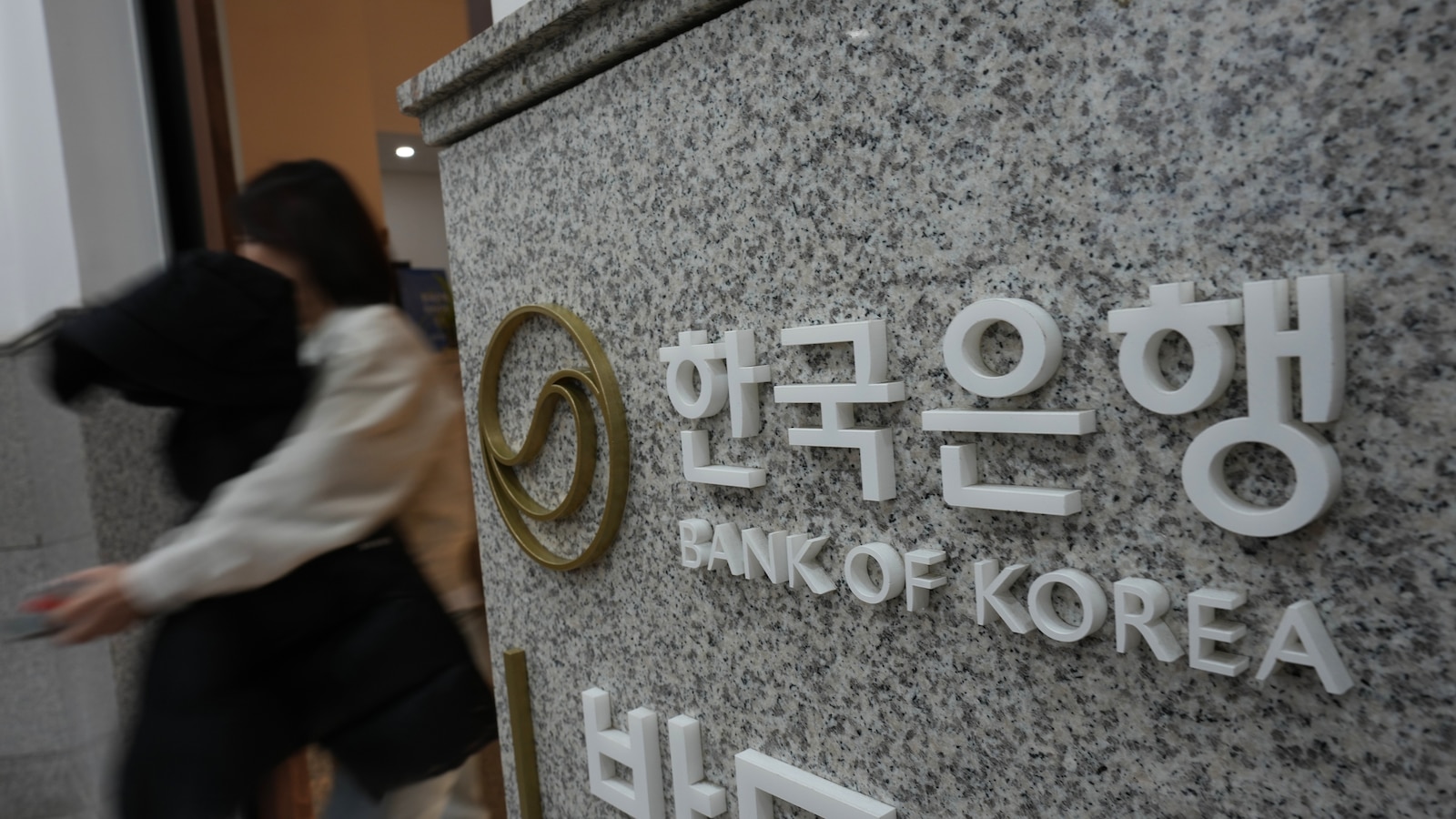
South Korea's central bank raised its benchmark interest rate by 25 basis points to 3.25%, marking the third hike since July and the highest level in two years. The move reflects persistent inflation and AI-driven growth, though the bank upgraded its full-year growth forecast amid strong capex demand.
Key points
Market impact. The rate increase supports the Korean won and makes the country's high-yield bonds more attractive, but pressures leveraged household debt and real estate. Tech and semiconductor stocks face headwinds from higher financing costs, though AI-related capex may offset some weakness.
Broader implications. South Korea's tightening cycle mirrors global central bank behavior, with AI boom inflation forcing policy makers to sacrifice growth support. The divergence between rate hikes and upgraded growth forecasts signals confidence in AI-driven productivity offsetting monetary drag.
Sources (3)ABC News, CNBC Top Stories, WSJ Economy