Strong bearish −643 sourcestrump · tariffs · china
The Trump administration announced a fresh round of tariffs Wednesday targeting 14 trading partners, including China, the European Union, Japan, and India, citing unfair trade practices and discriminatory commerce barriers. The move has already triggered swift retaliation threats from Beijing, Tokyo, and Brussels.
Key points
Market impact. Tariff uncertainty is weighing on equities and currency markets; the negative sentiment cluster around this story reflects investor concern over supply chain disruption and retaliatory measures. Exporters and multinational corporations face margin compression, while inflation risks resurface for U.S. consumers and downstream manufacturers.
Broader implications. This escalation signals a return to protectionist trade policy and threatens the post-pandemic normalization of global commerce. Emerging markets and commodity exporters face renewed currency and growth headwinds.
Sources (3)ABC News, CBS News, The Guardian Business
Bullish +402 sourcesgoldman · automated selling · black friday
Goldman Sachs traders are flagging a massive wave of trend-following algorithmic selling poised to hit markets this year, potentially totaling $100 billion, even as stocks are expected to rally into the Black Friday session. The warning comes as Asian markets rebounded and U.S. futures point to gains following Wednesday's AI-driven selloff recovery.
Key points
Market impact. Mechanical selling by quant funds and systematic strategies could trigger sharp intraday reversals and volatility spikes, particularly in mega-cap tech and AI-linked names that have seen outsized flows. Retail traders and momentum players face whipsaw risk heading into year-end.
Broader implications. The warning underscores structural fragility in markets dominated by passive and algorithmic capital, where sentiment shifts can cascade into liquidity crises independent of fundamental news.
SAP is reportedly cutting between 9% and 10% of its global workforce—approximately 10,000 employees—as part of a strategic pivot toward artificial intelligence and cloud services. The move marks the latest major layoff wave in enterprise software, following similar cuts at Microsoft, Amazon, and other tech giants.
Key points
Market impact. The announcement signals intensifying cost pressures across the software sector as companies race to fund AI capabilities while managing margin expectations. SAP's restructuring may pressure European tech valuations and labor markets, particularly in Germany.
Broader implications. Tech layoffs are now structural, not cyclical—a permanent recalibration of headcount as automation and AI reduce demand for traditional engineering and support roles. This trend will weigh on consumer spending and eurozone employment data through 2025.
Norse Atlantic, the Norwegian low-cost carrier, has suspended all flights and warned it may file for bankruptcy without urgent short-term financing. The carrier's stock collapsed 81% after disclosing that soaring fuel costs have pushed its liquidity into critical condition.
Key points
Market impact. The collapse signals distress in the budget airline sector, where thin margins cannot absorb sustained energy price shocks. Competitors like Ryanair and EasyJet face renewed scrutiny on fuel hedging and pricing power, while travel stocks face contagion risk.
Broader implications. Norse Atlantic's failure underscores how energy volatility—particularly from geopolitical shocks like the Iran conflict—can rapidly destroy business models built on razor-thin unit economics. Transatlantic capacity will tighten, benefiting larger carriers.
Sources (3)Fox News World, BBC Business, CNBC Top Stories
A FedEx cargo jet overran a runway at Miami International Airport Wednesday during stormy weather, forcing a brief ground stop at one of the nation's busiest hubs on the eve of Thanksgiving—one of the year's peak travel days. No injuries were reported, but the incident disrupted both cargo and passenger operations.
Key points
Market impact. The disruption poses near-term logistics headwinds for e-commerce and holiday shipping, particularly for FedEx's peak-season volumes. Any extended runway closure could ripple through supply chains and pressure delivery guarantees during the critical Thanksgiving-to-Christmas window.
Broader implications. Weather-related infrastructure incidents are becoming more frequent and severe; this incident adds to operational risk for logistics providers already managing thin margins and elevated fuel costs.
Neutral 03 sourcesecb · hernandez de cos · lagarde
The European Central Bank has chosen Spain's Pablo Hernández de Cos, the BIS chief economist, as its next president, replacing Christine Lagarde. De Cos takes the helm amid choppy eurozone growth, political fragmentation across member states, and unresolved questions about stablecoin regulation and digital currencies.
Key points
Market impact. De Cos's appointment may signal a more hawkish or pragmatic stance on inflation and fiscal discipline compared to Lagarde's consensus-building approach. Euro volatility could spike if markets perceive a shift toward tighter policy or stricter member-state oversight.
Broader implications. The leadership transition occurs at a critical juncture for eurozone stability, with France and Germany at odds over fiscal policy and growth strategy. De Cos's background in financial regulation suggests heightened scrutiny of crypto and fintech risks.
Sources (3)Cointelegraph, New York Times Business, CNBC Economy
Bearish −382 sourcessouth korea · rates · inflation
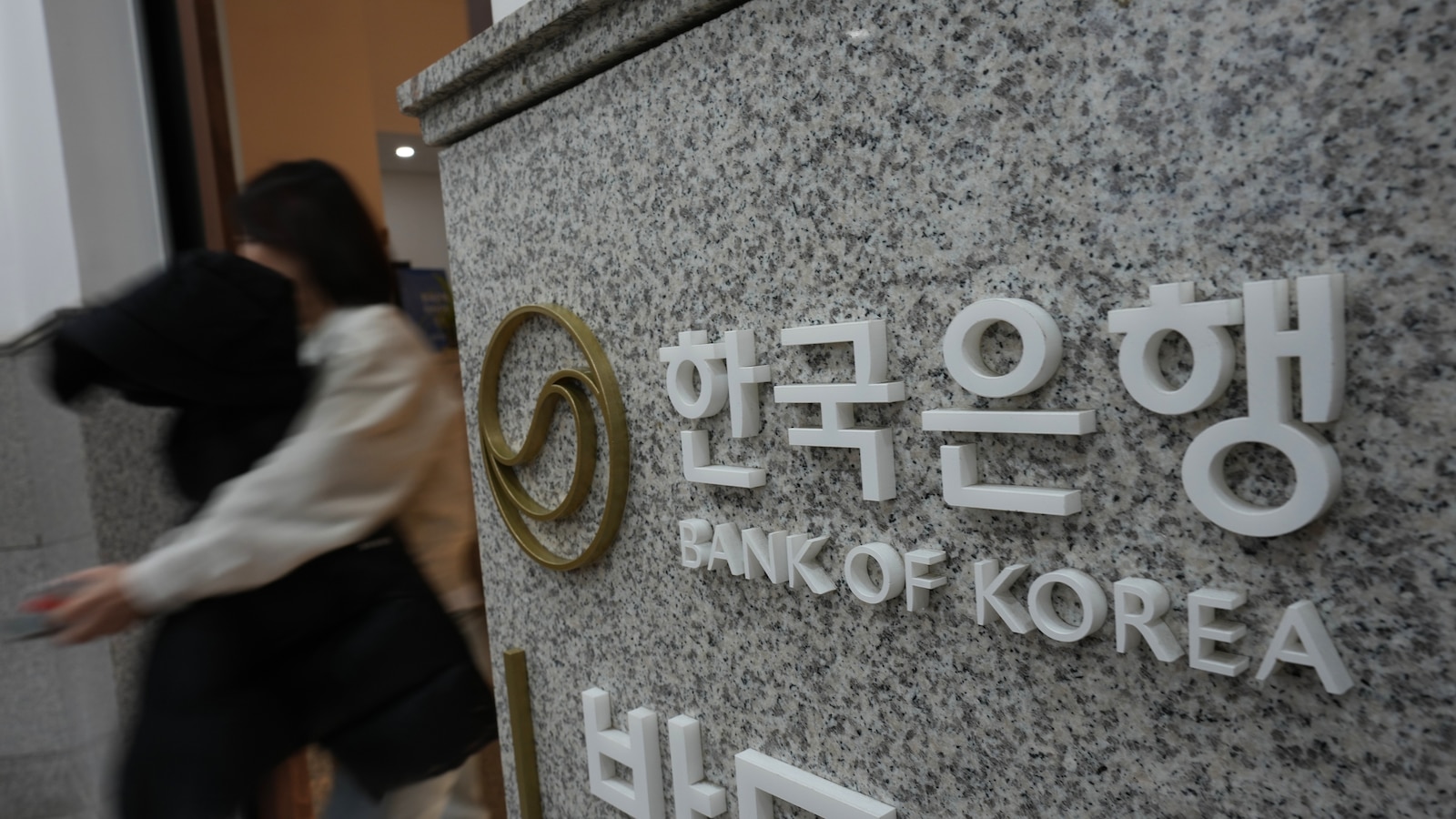
South Korea's central bank raised its benchmark interest rate by 25 basis points to 3.25% in its final meeting of the year, marking the third hike since July and the highest level in two years. The move reflects persistent inflation pressures despite slowing growth.
Key points
Market impact. Higher rates support the won and attract carry-trade capital, but pressure Korean exporters and household debt servicing. Tech and semiconductor stocks face headwinds from both tighter financial conditions and global demand uncertainty.
Broader implications. South Korea's tightening cycle diverges from potential Fed easing, creating currency volatility and capital flow risks across Asia. The rate hike signals central banks' commitment to inflation control even amid growth concerns.
Bearish −193 sourcesnvidia · alice huang · espionage
U.S. authorities are investigating Megaspeed and Alice Huang, a former executive with whom Nvidia CEO Jensen Huang had an affair, after evidence emerged that China's Ministry of State Security may have surveilled Huang and sought intelligence from her. The probe centers on whether proprietary chip designs were compromised through the relationship.
Key points
Market impact. The espionage allegations create regulatory and reputational risk for Nvidia, potentially triggering export controls, board scrutiny, and investor concern over governance. The scandal also raises questions about Nvidia's supply chain security and China exposure.
Broader implications. The case exemplifies U.S.-China tech competition turning personal and criminal; it will likely accelerate restrictions on Chinese nationals in sensitive U.S. tech roles and intensify scrutiny of foreign intelligence operations targeting Silicon Valley.
Food banks across the U.S. are experiencing surge in demand this Thanksgiving season, with some reporting visits topping pandemic-era levels. Nearly 6.5 million fewer Americans are receiving federal food assistance, while rising meal costs and restricted aid have forced families to seek emergency support.
Key points
Market impact. The surge in food bank usage signals deteriorating household purchasing power despite headline consumer spending data, suggesting underlying fragility in lower-income demographics. Retailers and food suppliers face demand bifurcation—luxury spending coexists with poverty-level desperation.
Broader implications. Food insecurity is now structural, not temporary; the combination of inflation, benefit cuts, and wage stagnation is creating a permanent underclass unable to afford basic necessities. This trend will pressure social spending and political stability heading into 2025.