Norse Atlantic, the Norwegian budget carrier that once undercut transatlantic fares with $99 tickets, filed for bankruptcy Friday after halting all flights and suspending ticket sales. The airline exhausted funding options as soaring fuel costs and operational pressures became unmanageable; the board warned it would collapse without emergency capital that never materialized.
Key points
Market impact. The failure signals renewed stress in the low-cost carrier segment and validates concerns about margin compression in aviation post-pandemic. Stranded passengers and creditors face significant losses; competitors like Ryanair and Southwest gain capacity relief in transatlantic and domestic markets respectively.
Broader implications. Norse Atlantic becomes the second major airline casualty in 2025, following earlier sector turbulence. The collapse underscores how even aggressive pricing cannot offset structural cost inflation in fuel and labor—a warning for other carriers operating on thin margins.
Sources (3)ABC News, CNBC Top Stories, Fox News World
Neutral 03 sourcesamerican airlines · reagan national · safety
Two American Airlines Boeing 737s made contact and clipped wingtips while taxiing for takeoff at Ronald Reagan Washington National Airport on Friday evening during peak holiday travel. The FAA launched an investigation; no injuries were reported, though one aircraft sustained visible wing damage.
Key points
Market impact. The incident raises operational safety questions for American Airlines (AAL) during a critical revenue period and may trigger additional ground procedures or inspections system-wide. Regulatory scrutiny could increase compliance costs and operational friction during the busiest travel season.
Broader implications. The collision reflects congestion stress at a major hub during holiday peaks—a recurring vulnerability as air traffic recovers to post-pandemic levels. Tarmac incidents, while rare, erode confidence in ground operations and can trigger regulatory tightening.
Neutral +43 sourcesjensen huang · nvidia · ai market
Jensen Huang's reinstatement as Nvidia CEO sparked a brief rally but failed to arrest broader AI stock weakness as investors question the sustainability of the artificial intelligence boom. Financial disclosures reveal President Trump holds tens of millions in Nvidia shares, creating potential conflicts around Huang's return.
Key points
Market impact. Nvidia (NVDA) remains under pressure despite leadership continuity; the fleeting bounce underscores investor skepticism about valuation and demand fundamentals. Broader AI sector volatility persists, with traders using weakness to accumulate positions rather than showing conviction in near-term upside.
Broader implications. The muted market response signals that leadership changes alone cannot overcome structural concerns about AI capex cycles and ROI. Trump's substantial Nvidia holdings create governance optics issues and raise questions about policy influence on semiconductor regulation.
Adobe projects Black Friday spending will reach nearly $13 billion—a record—as American consumers prioritize discounting and value hunting despite macroeconomic headwinds. Retailers are banking on robust holiday sales through the weekend, signaling confidence in consumer resilience through year-end.
Key points
Market impact. Strong Black Friday forecasts support retail sector sentiment and validate e-commerce and brick-and-mortar operators betting on sustained holiday demand. Discount-driven spending favors value retailers and margin-conscious operators; premium brands face headwinds if consumers remain price-sensitive.
Broader implications. Record spending amid wallet strain suggests consumers are depleting savings or relying on credit to maintain holiday consumption—a potential vulnerability if labor markets weaken. The data contradicts recession narratives but masks underlying fragility in household finances.
Elon Musk announced that SpaceX will donate one share to every child in America, with Musk personally matching the gift—effectively two shares per child. The shares will be distributed through Trump Accounts, a new financial product; SpaceX shares jumped on alternative trading venues following the announcement.
Key points
Market impact. The pledge creates massive demand for SpaceX equity distribution infrastructure and validates Trump Accounts as a viable alternative trading platform. Secondary market trading in SpaceX shares spiked, though regulatory clarity on the distribution mechanism and tax treatment remains unclear.
Broader implications. The giveaway blurs lines between corporate philanthropy, political messaging, and financial product promotion—raising SEC scrutiny questions. It signals Musk's deepening alignment with Trump administration priorities and his willingness to use SpaceX as a vehicle for populist wealth-distribution narratives.
Sources (3)CNBC Top Stories, CBS Money Watch, New York Post Business
Aliko Dangote, Africa's richest man, is taking Dangote Refinery public in what is expected to be the continent's largest IPO, with valuations potentially reaching $47 billion. The Nigerian mega-refinery represents a landmark capital-raising event for African equity markets and signals investor appetite for large-scale energy infrastructure.
Key points
Market impact. The IPO will deepen Nigerian and pan-African capital markets, attract international institutional capital to the region, and provide liquidity for Dangote's existing stakeholders. Energy sector valuations across Africa could benefit from the precedent; crude oil and refined product markets may see supply-side implications if refinery operations accelerate.
Broader implications. The listing underscores Africa's growing role in global energy infrastructure and signals confidence in Nigeria's economic trajectory despite security and fiscal challenges. Success could catalyze further mega-project IPOs across the continent and attract ESG-conscious capital to African energy transition plays.
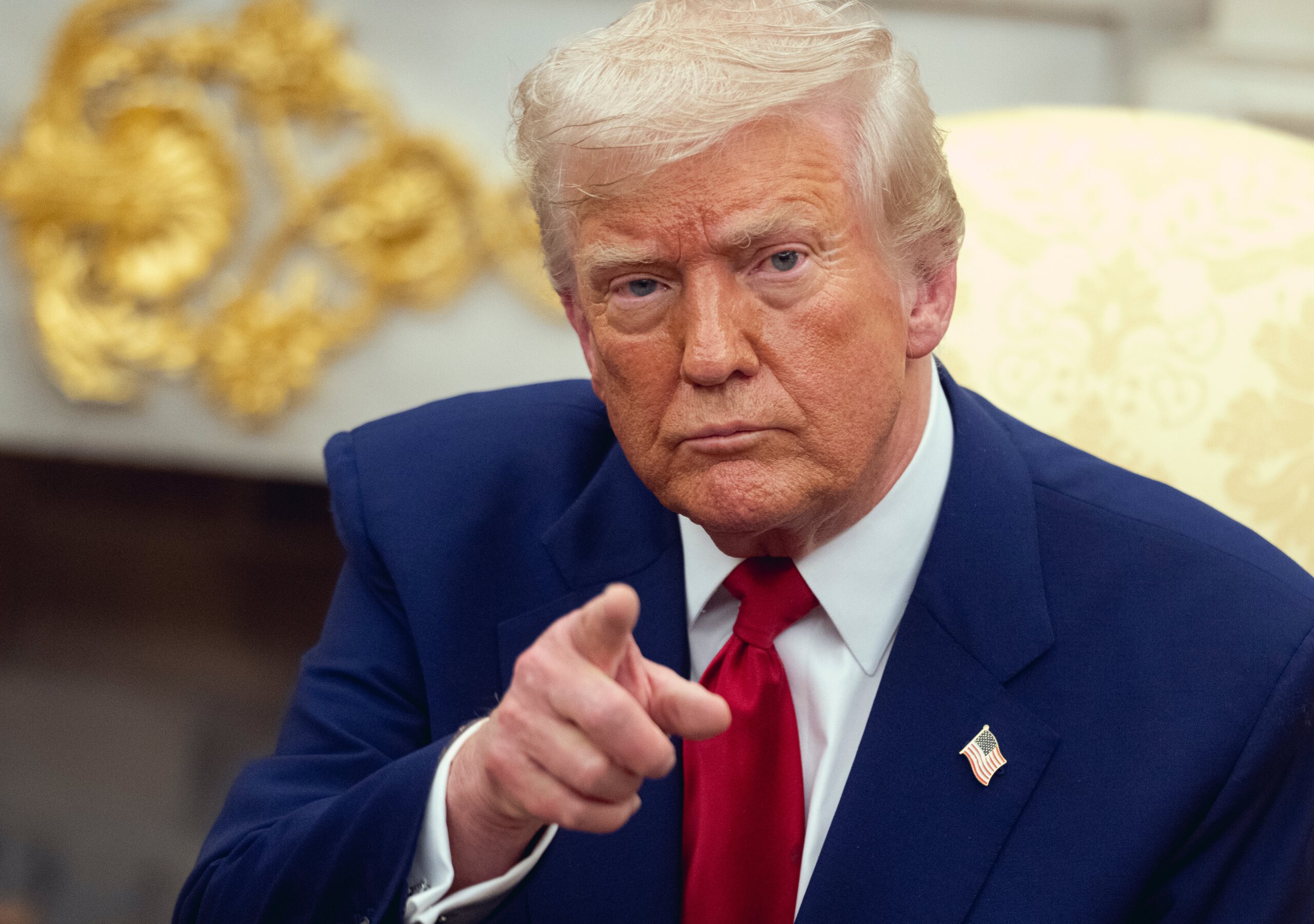
President Trump has opened the door to universal healthcare discussions, signaling potential willingness to reshape America's $5.3 trillion healthcare system. The pivot marks a departure from traditional Republican opposition to single-payer models and suggests healthcare reform could be a second-term priority.
Key points
Market impact. Healthcare stocks face significant repricing risk; insurers (UnitedHealth, Cigna, Anthem), pharmaceutical firms, and hospital operators could face margin compression under universal models. Medical device and biotech sectors would face pricing pressure; the prospect alone is likely to weigh on healthcare equity valuations.
Broader implications. A shift toward universal healthcare would represent the most significant U.S. healthcare policy change in decades, with profound implications for federal spending, tax policy, and labor markets. Implementation would require Congressional cooperation and face fierce industry lobbying; the political feasibility remains uncertain despite Trump's rhetorical opening.
Saudi Arabia is shifting its Vision 2030 spending strategy from "spending and delivery at any cost" to "spending and delivery at the right cost," according to Economic Minister Faisal Al-Ibrahim. The pivot reflects fiscal constraints and competing security priorities as the Kingdom reassesses megaproject timelines and budgets.
Key points
Market impact. The recalibration signals slower capex deployment across Saudi infrastructure, real estate, and energy projects—pressuring regional construction, engineering, and materials suppliers. International contractors and project financiers face delays and potential contract renegotiations; Saudi Aramco and PIF-backed initiatives may see extended timelines.
Broader implications. The spending slowdown reflects Saudi Arabia's balancing act between regional security threats, oil price volatility, and diversification ambitions. Fiscal discipline signals maturing governance but risks dampening the economic momentum that Vision 2030 was designed to generate, with spillover effects across Gulf markets.
Binance has secured in-principle approval from Bhutan to establish an Asia-focused hub in the country, marking a significant regulatory milestone for the exchange. The agreement follows Bhutan's launch of a national crypto-powered payment system and signals openness to digital asset infrastructure in a traditionally isolated economy.
Key points
Market impact. The approval strengthens Binance's regional footprint amid regulatory pressures in major markets and validates Bhutan as an emerging crypto-friendly jurisdiction. The hub could serve as a compliance and operational base for Asian markets; cryptocurrency valuations may see modest support from the regulatory clarity signal.
Broader implications. Bhutan's embrace of crypto infrastructure positions it as a potential regional alternative to Singapore and Hong Kong for digital asset operations. The move reflects broader geopolitical shifts as smaller nations leverage crypto adoption to attract capital and tech talent in competition with traditional financial hubs.