Neutral −123 sourcesunited fidelity · bank failure · first citizens
The FDIC seized United Fidelity Bank, an Indiana-based lender with branches across four states and the U.S. Virgin Islands, marking the largest U.S. bank failure in roughly two years. First Citizens Bank acquired all deposits and assets in a resolution that protects depositors but signals renewed stress in regional banking.
Key points
Market impact. The $6 billion failure underscores persistent fragility in mid-sized regional banks, a sector already battered by 2023's SVB and Signature Bank collapses. Deposit insurance claims and resolution costs will flow through the FDIC's insurance fund, potentially pressuring smaller bank valuations and credit spreads.
Broader implications. This failure arrives as the Fed maintains elevated rates to combat inflation, a policy environment that continues to stress banks holding long-duration assets. Regulators face renewed scrutiny over oversight of mid-tier institutions that lack the systemic importance shield of megabanks.
Sources (3)CNBC Top Stories, ABC News, New York Post Business
President Trump announced the fifth phase of Taiwan Semiconductor Manufacturing Company's Phoenix fab, a massive expansion that will produce logic chips for Nvidia, Apple, AMD, and Broadcom. The project represents a continuation of TSMC's U.S. onshoring strategy, now accelerated under Trump's pro-manufacturing agenda.
Key points
Market impact. The expansion bolsters TSMC's U.S. footprint and reduces supply-chain concentration risk for major chip customers. Nvidia, Apple, and AMD gain domestic manufacturing redundancy, while equipment suppliers and construction firms benefit from capital deployment. TSMC stock may see modest upside from reduced geopolitical risk to Taiwan operations.
Broader implications. This move reflects deepening U.S.-Taiwan semiconductor integration and signals Trump's commitment to reshoring critical manufacturing despite trade tensions with China. The 21,000 jobs claim positions the administration's industrial policy as a centerpiece of economic messaging heading into 2025.
U.S. consumers spent nearly $13 billion on Black Friday alone, with overall sales rising 5.8 percent both online and in-store. Tech products led gains, signaling that despite inflation and tight household budgets, shoppers prioritized discretionary purchases during the holiday season's opening salvo.
Key points
Market impact. Strong Black Friday performance lifts retail stocks and e-commerce platforms, particularly Adobe, Walmart, and Disney-owned retail operations. Consumer discretionary sectors benefit from proof that demand remains resilient, though value-hunting behavior suggests margin pressure for full-price retailers.
Broader implications. The spending surge contradicts recession narratives and suggests consumers are drawing down savings or relying on credit to maintain holiday consumption. This dynamic could complicate Fed rate-cut expectations if inflation resurfaces alongside sustained demand.
Sources (3)New York Times Business, CBS Money Watch, NPR Economy
Neutral −102 sourcestrump · crypto · world liberty financial
World Liberty Financial's WLFI token has plummeted more than 60 percent in a week, with the Trump family-backed project blaming Binance for the collapse. The crash exposes the fragility of politically-connected crypto ventures and raises questions about due diligence in a sector already prone to volatility.
Key points
Market impact. The WLFI collapse damages retail investor confidence in Trump-affiliated crypto projects and may trigger broader crypto sector weakness if contagion spreads to other politically-endorsed tokens. Financial disclosures reveal Trump holds tens of millions in Nvidia stock, creating potential conflicts of interest as he pushes tech-sector policy.
Broader implications. The debacle underscores regulatory gaps in crypto markets and raises compliance risks for exchanges hosting politically-connected assets. Expect renewed congressional scrutiny of crypto regulation and potential SEC enforcement actions targeting misleading promotional claims.
Bullish +162 sourcesjensen huang · nvidia · ai market
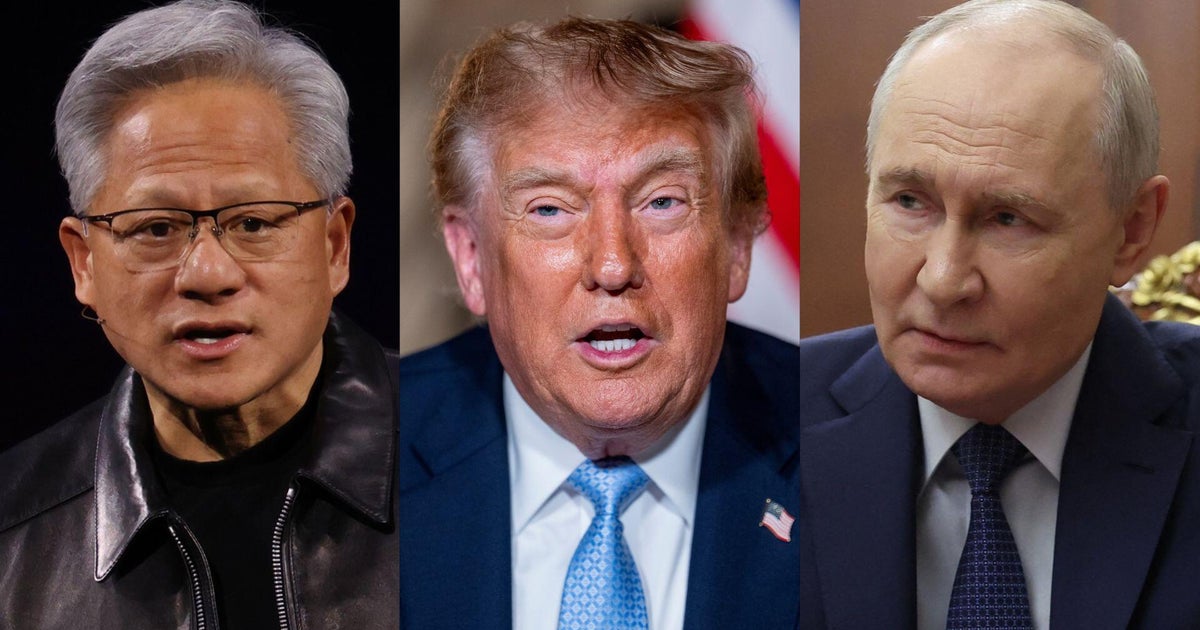
Nvidia CEO Jensen Huang's reinstatement, reportedly pushed by President Trump, generated only a fleeting market bounce as AI sector volatility persists. Investors remain skeptical about the sustainability of AI spending and valuations, despite Huang's leadership returning to the helm.
Key points
Market impact. Nvidia stock weakness reflects broader AI sector doubt rather than leadership concerns; traders used the dip to add positions, suggesting institutional conviction remains intact. However, the muted response indicates market focus has shifted from CEO optics to hard earnings and capex guidance.
Broader implications. Trump's intervention in Nvidia's C-suite raises governance and political influence questions, while China's mixed reaction to Huang's return signals geopolitical complexity around semiconductor leadership. The AI market's maturation is pricing in realistic ROI expectations rather than hype-driven rallies.
Neutral 02 sourcesamerican airlines · reagan national · safety
Two American Airlines Boeing 737s made contact while taxiing for takeoff at Ronald Reagan Washington National Airport on Friday evening, with one aircraft losing a piece of its wing. The FAA will investigate the incident, which occurred during peak holiday travel weekend operations.
Key points
Market impact. No injuries were reported, limiting immediate operational fallout for American Airlines (AAL). However, the incident adds to safety scrutiny around the carrier and may trigger tarmac procedure reviews at congested airports, potentially affecting operational efficiency and insurance costs.
Broader implications. The collision highlights risks of congested airport operations during peak travel periods and may prompt FAA guidance on taxiing protocols. Reputational damage to American Airlines could pressure bookings if media coverage intensifies safety concerns among holiday travelers.
Bearish −252 sourcesus army · data centers · military bases
The U.S. Army is offering 25-year leases at nine military bases for power plants and data centers that provide backup power during potential grid outages. The initiative aims to secure AI infrastructure and computing capacity while hardening military logistics against domestic power disruptions.
Key points
Market impact. Data center developers and power infrastructure firms gain long-term revenue visibility from military contracts, supporting valuations for companies like Digital Realty, Equinix, and regional power operators. The move signals substantial DoD capex deployment toward AI and resilience infrastructure.
Broader implications. This strategy reflects Pentagon concerns about grid vulnerability and supply-chain resilience in an era of potential adversarial cyber attacks. The militarization of data center infrastructure also underscores AI's centrality to future defense posture and budget priorities.
Ukrainian President Volodymyr Zelenskyy publicly rejected President Trump's characterization of Vladimir Putin as a potential "friend," telling the BBC that Putin "cannot be a friend" to the United States. The rebuke signals Ukrainian concern that Trump may pursue diplomatic negotiations that sideline Kyiv's interests.
Key points
Market impact. The diplomatic friction raises geopolitical risk premiums on energy and defense stocks. Oil markets may face upside pressure if Ukraine-Russia negotiations stall or escalate, while defense contractors benefit from extended conflict uncertainty. European equities face headwinds from renewed war-risk premia.
Broader implications. Zelenskyy's public pushback signals Ukraine will resist any settlement perceived as territorial concession, complicating Trump's stated goal of rapid peace negotiations. NATO cohesion and U.S. security commitments to Eastern Europe remain contested terrain as Trump takes office.
Bearish −311 sourceargentina · central bank · monetary policy
Argentina's government has banned the central bank from printing money to finance government spending, a radical monetary constraint that forces fiscal discipline and eliminates a traditional inflation-fueling policy tool. The move reflects President Javier Milei's commitment to dollarization and orthodox economic reform.
Key points
Market impact. The ban supports the Argentine peso and reduces inflation expectations, benefiting dollar-denominated debt holders and foreign investors. However, it constrains government spending flexibility and may trigger recession if fiscal consolidation outpaces private-sector growth, pressuring equities and credit spreads.
Broader implications. Argentina's radical monetary reform represents a test case for emerging-market austerity in the face of chronic inflation and capital flight. Success could embolden similar policies across Latin America; failure risks social unrest and political backlash against Milei's administration.