Bearish −283 sourcesunited fidelity · bank failure · fdic
Federal regulators seized Indiana-based United Fidelity Bank, marking the seventh U.S. bank failure this year and the largest since 2024. The Office of the Comptroller of the Currency cited unsafe or unsound conditions; First Citizens Bank acquired all deposits and assets in a FDIC-facilitated transaction. The bank operated branches across four states and the U.S. Virgin Islands.
Key points
Market impact. The $6 billion failure signals continued stress in regional banking despite deposit insurance protections. While FDIC backstopping limits contagion, the closure reinforces investor anxiety about smaller lenders' asset quality and capital adequacy heading into 2025. Regional bank equities face renewed pressure if deposit flight accelerates.
Broader implications. Seven bank failures in one year suggests underlying credit deterioration in the regional banking system, potentially tied to commercial real estate stress and rising deposit competition from money market funds. This trend may force policymakers to revisit banking regulation and capital requirements.
Sources (3)NPR Business, CNBC Top Stories, New York Post Business
U.S. shoppers spent nearly $13 billion on Black Friday, with sales rising 5.8 percent year-over-year across both online and in-store channels, according to Adobe data. Consumers prioritized technology purchases and value-hunting despite macroeconomic headwinds and persistent inflation concerns.
Key points
Market impact. Strong holiday retail performance supports consumer discretionary stocks and e-commerce platforms like Amazon and Walmart, though gains remain concentrated among higher-income shoppers. The data contradicts recession fears but masks bifurcated demand: wealthier consumers drive tech spending while middle-income shoppers hunt discounts.
Broader implications. Robust holiday spending suggests consumer resilience through year-end, but reliance on discounting and value-seeking behavior indicates underlying affordability stress. This dynamic may limit margin expansion for retailers and signal softening demand in 2025 if wage growth fails to outpace inflation.
Sources (3)New York Times Business, CBS Money Watch, CNBC Business
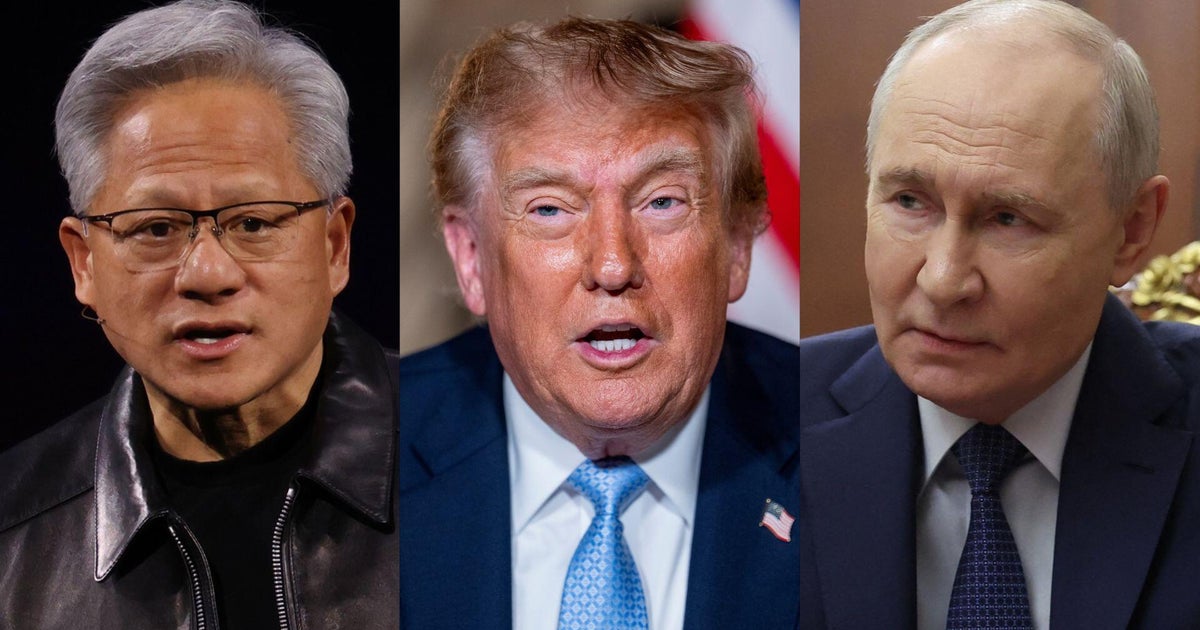
President Trump pushed Nvidia to reinstate Jensen Huang as CEO, breaking protocol to intervene in corporate governance. While Huang's return sparked a fleeting rally, persistent market volatility and investor skepticism about AI sustainability have limited the bounce, with traders using weakness to add positions rather than celebrating a durable turnaround.
Key points
Market impact. Nvidia's stock remains under pressure despite leadership continuity, reflecting deeper concerns about AI capex cycles and valuation sustainability rather than CEO uncertainty. The muted response suggests markets are pricing in slower AI adoption and margin compression, not reassured by political intervention in corporate decisions.
Broader implications. Trump's direct involvement in Nvidia governance sets a precedent for political interference in tech leadership, raising questions about regulatory consistency and market confidence in independent boards. The episode underscores how AI euphoria has given way to fundamental concerns about ROI and competitive saturation.
Neutral +111 sourcespacex · google · data center · computing
Elon Musk revealed that Google is interested in renting additional computing capacity from SpaceX, driven by explosive demand from AI companies scaling infrastructure. The arrangement signals SpaceX's pivot toward commercial data center operations as a revenue diversifier beyond aerospace and satellite internet.
Key points
Market impact. This deal validates SpaceX's data center strategy and underscores the acute shortage of GPU-backed computing capacity, benefiting infrastructure providers and cloud operators. Google's willingness to source capacity externally suggests internal data center expansion cannot keep pace with AI demand, pressuring margins across cloud providers.
Broader implications. The arrangement reflects a structural shift: AI infrastructure is becoming a bottleneck, and non-traditional players like SpaceX are filling gaps left by hyperscalers. This fragmentation may accelerate edge computing adoption and reduce cloud provider pricing power in 2025.
Bearish −252 sourcesus army · data center · military base · grid resilience
The U.S. Army is offering 25-year leases at nine military bases for power plants and data centers that provide backup power during grid outages. The initiative aims to harden military infrastructure against potential supply chain disruptions while leveraging AI data center demand to fund resilience upgrades.
Key points
Market impact. This creates a new revenue stream for data center operators and power infrastructure firms, with long-term government contracts providing stable cash flows. Defense contractors and energy infrastructure companies stand to benefit from the guaranteed demand and favorable lease terms.
Broader implications. The move reflects Pentagon concerns about grid vulnerability and adversary targeting of critical infrastructure, particularly ports and communications hubs. Militarization of data center placement signals a shift toward distributed, hardened computing architecture as a national security imperative.
International Energy Agency chief Fatih Birol warned that a severe winter in Europe could drive energy prices "even higher," calling it "impossible" to imagine the energy system returning to pre-crisis norms. The warning reflects tight LNG supply, depleted storage buffers, and geopolitical risks to Russian gas flows.
Key points
Market impact. European natural gas and electricity futures face upside risk if temperatures plunge; energy-intensive sectors like chemicals, steel, and utilities face margin compression. Oil prices could also rise if heating demand spikes, benefiting energy majors but pressuring consumer-facing companies with high energy exposure.
Broader implications. Persistent energy scarcity in Europe threatens industrial competitiveness and consumer purchasing power, potentially derailing economic recovery and forcing further fiscal stimulus. The risk underscores Europe's structural energy vulnerability and accelerates the shift toward renewables and nuclear capacity.
Neutral 01 source401k · retirement · early withdrawal · affordability
More Americans are seeking early withdrawals from 401(k) and retirement savings accounts as an affordability crunch forces households to tap long-term savings. While wealthier savers benefit from stock market gains, middle and lower-income households are liquidating retirement assets to cover immediate expenses.
Key points
Market impact. Increased early withdrawals reduce demand for equities and fixed income, potentially pressuring asset prices if the trend accelerates. Retirement plan administrators and custodians face higher redemption flows, while financial advisors confront clients eroding long-term wealth for short-term needs.
Broader implications. The trend signals a bifurcated economy where affluent households build wealth through market appreciation while working-class Americans deplete savings to survive. This dynamic threatens retirement security and suggests wage stagnation persists despite headline employment strength.
Russian President Vladimir Putin's military campaign in Ukraine shows no signs of slowing despite President Trump's diplomatic efforts and invitation to Putin for G20 talks. Moscow continues offensive operations, signaling it views current military momentum as more valuable than negotiated settlement.
Key points
Market impact. Continued conflict sustains elevated energy and commodity prices, particularly crude oil and natural gas, benefiting energy producers while pressuring manufacturing and transportation sectors. Defense spending remains elevated across NATO, supporting aerospace and defense contractors.
Broader implications. Putin's rejection of Trump's diplomatic overtures suggests Russia believes it can achieve military objectives without concessions, raising risks of NATO escalation and prolonged sanctions. The stalemate threatens European stability and undermines Trump's stated goal of rapid conflict resolution.